
Where to Find the Best Massage in New Jersey: A Manhattan Writer’s Practical Guide

I cross the Hudson regularly, notebook in hand, chasing calm between Manhattan’s rattle and the softer rhythms of New Jersey. Over the years I have sat on treatment tables in family-run studios, quiet medical spas and beachfront boutiques — and learned to tell the excellent from the merely adequate. This guide collects that experience into practical advice, neighborhood tips and a clear map to help you find a truly restorative session in New Jersey.
Why many New Yorkers cross the river for a massage
New Jersey offers a wide mix of massage styles and atmospheres: clinical sports therapy, Asian-inspired modalities, high-end day spas and small independent practices. Rates can be friendlier than Manhattan’s, and some therapists specialize in techniques that are harder to find across the river.
Travel time is short from much of Manhattan, and the state’s geography — from the urban energy of Jersey City to the relaxed shore towns — creates varied experiences. You can have a high-end, candlelit Swedish massage or a focused, deeply therapeutic session in a clinic that doubles as a physiotherapy office.
How to define the “best” massage
“Best” depends on your intention. Are you recovering from an athletic strain, chasing stress relief, or craving a luxurious escape? Clarifying your goal narrows the search immediately and helps you match technique to need.
Several objective criteria, however, apply across the board: practitioner training and licensure, clarity of intake and communication, a comfortable and clean environment, and clear pricing. The best sessions combine those foundations with an individual touch — the therapist’s ability to read your tissue and adjust pressure and rhythm mid-session.
Good spas also protect client dignity and safety: intake forms, informed consent about contraindications, and optional draping standards. If any of these are absent, consider it a red flag regardless of décor or glowing online reviews.
Common massage types you’ll encounter in New Jersey
Knowing the main techniques helps you pick a session that matches your goals. Below is a compact reference to the most commonly offered types and when to book them.
| Technique | Best for | Typical session length | Typical price range (NJ) |
|---|---|---|---|
| Swedish | Relaxation, general stress relief | 60–90 minutes | $80–$150 |
| Deep tissue | Chronic muscle tension, knots | 60–90 minutes | $90–$160 |
| Sports massage | Athletic recovery, injury prevention | 30–90 minutes | $60–$150 |
| Medical/therapeutic | Rehab, referred pain, post-op | 45–60 minutes | $90–$200 (often billed differently) |
| Thai | Mobility, stretching, energy work | 60–120 minutes | $80–$200 |
| Shiatsu/Acupressure | Energy balancing, digestive or stress issues | 60 minutes | $70–$160 |
Prices vary widely by town and by whether the therapist carries advanced credentials such as LMT (Licensed Massage Therapist) or additional training in myofascial release, neuromuscular therapy, or orthopedic assessment.
Neighborhoods and what they specialize in
New Jersey is not monolithic. Northern counties near Manhattan tilt toward clinical services and walk-in studios; Jersey Shore towns emphasize relaxation and resort-style treatments; central and southern Jersey often offer a mix with strong local practitioners.
Here are quick notes by area to help you decide where to look.
- Jersey City / Hoboken — Upscale day spas, many therapists who trained in New York, and a good balance of relaxation and clinical work.
- Newark / Ironbound — Diverse therapy options, including affordable community clinics and ethnic healing traditions.
- Montclair / Bloomfield — Boutique studios, therapists with holistic training, and a calm suburban vibe.
- Princeton — Professional clinics with therapeutic focus, and practitioners comfortable working with chronic conditions.
- Shore towns (Asbury Park, Cape May) — Resort-style experiences, beachfront views and seasonal specials.
How to choose a therapist — checklist and practical steps
Start with licensing verification. In New Jersey the Board of Massage and Bodywork requires licensure; ensure the practitioner is listed or ask directly. That’s non-negotiable for safety and professional standards.
Next, read recent reviews and scan social media for photos of the clinic and treatment rooms. Reviews reveal recurring themes: consistent praise for pressure control, punctuality or complaints about pushy upselling. Look for mentions of cleanliness and communication.
- Check credentials and additional training.
- Confirm the practice’s hygiene and draping policy.
- Ask whether sessions include a health intake and any special assessments.
- Verify cancellation and late policies before you book.
When you call or message, pay attention to how staff handle your questions. Clear, respectful answers indicate a professional operation; vague or evasive ones suggest you should look elsewhere.
Preparing for your session
Arrive hydrated and avoid heavy meals right before your appointment. Hydration helps tissues respond to manipulation and reduces post-massage soreness. If you exercise, leave a short cooldown between your workout and the session.
Wear comfortable clothes to the facility and be prepared to undress to your comfort level. A responsible therapist will explain draping procedures and gain consent before working on areas that require privacy. If you have medical conditions, bring a list of medications and recent imaging reports if available.
What to expect during the session
Most sessions begin with a brief intake covering medical history and your goals. The therapist should ask where you hold tension and what pressure you prefer. Expect a quick reassessment during the session; excellent therapists check in with you about pressure and comfort.
Communication is key. If something hurts in a sharp or lingering way, say so. If it feels like productive discomfort that leads to release, you can allow the therapist to continue. Language matters — use concrete descriptors like “deeper” or “lighter” and point out areas you’d like them to avoid or focus on.
Pricing, packages and what’s a fair tip
Rates in New Jersey range by location and practitioner caliber. Independent therapists may charge less than luxury spas, but highly trained clinicians and medical massage providers often charge more. Expect lower prices in suburban areas and higher ones in waterfront or commuter towns.
Tipping customs mirror general U.S. etiquette: 15–25 percent is common if service met or exceeded expectations. Some medical clinics prohibit tipping and include gratuity in staff wages; verify before offering cash. Consider packages if you plan regular sessions — many practices provide discounts for pre-paid series.
Safety, licensing and red flags
Always confirm licensure. New Jersey requires practitioners to be licensed and display proof. If a therapist cannot or will not show their credentials, leave. Proper intake forms include health questions and contraindications; if none are offered, be cautious.
Red flags include pressure to undress completely against your will, requests for sexual contact, lack of clear draping, or a therapist who avoids answering questions about technique and training. Reputable businesses welcome questions and explain their policies openly.
If something feels off during a session, stop the treatment immediately and leave if necessary. You can report unethical behavior to the state board and to review platforms to warn others.
Chains versus boutique studios — pros and cons
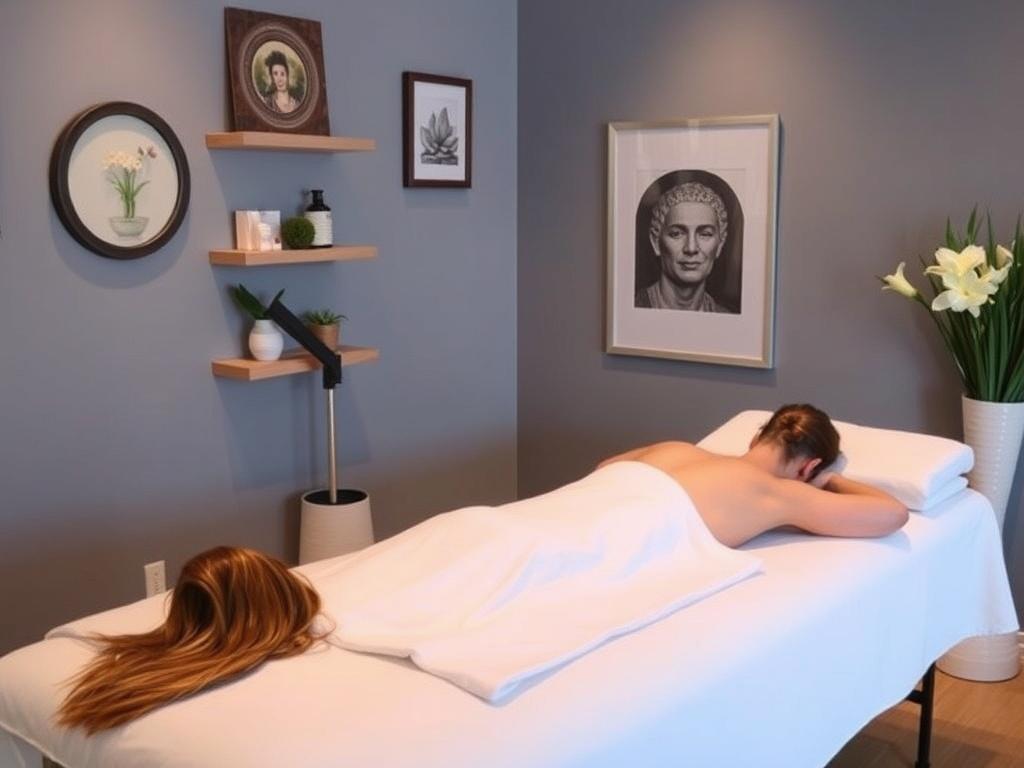
Chains bring predictability: standardized training, easy online booking, and multiple locations. They can be convenient for a consistent experience but sometimes feel impersonal. Chains are a good fit when you want a straightforward relaxation session without a heavy therapeutic focus.
Boutique studios and independent therapists often offer custom care and advanced modalities. You’ll frequently work with the same practitioner who knows your history. The trade-off is potential variability in availability and booking policies.
Personal notes from a Manhattan writer who crossed for better muscle work
On one cold December morning I booked a deep tissue session in Hoboken after a week of lugging a heavy camera across Manhattan. The space was small, quiet, and the therapist — trained in physical therapy techniques — asked detailed questions about my posture and recent activities. The work loosened a month-old knot in my shoulder that had resisted foam rolling; it was precise and oddly restorative.
Another time, chasing a slower pace, I took a friend to a Cape May spa. Salt air and low light made the Swedish massage feel luxurious and unhurried, but the therapist’s skill was subtle: she used varied rhythm and nuanced pressure to encourage deep relaxation rather than brute force. These contrasting experiences taught me that atmosphere matters, but technique and communication matter more.
Top practical recommendations and resources
When searching online, use specific modifiers: include the technique you want and the town, for example “deep tissue Jersey City” or “Thai massage Princeton.” That yields more relevant results than searching the phrase alone.
- Use local review sites alongside national platforms for a fuller picture.
- Search for therapists with continuing education in orthopedics or myofascial work for chronic pain.
- If possible, book an introductory 30- to 45-minute session to assess compatibility before committing to longer treatments.
Booking etiquette and small courtesies that matter
Be punctual. Many small practices run on tight schedules; arriving late shortens your session or inconveniences the next client. If you need to cancel, give at least 24 hours’ notice. If a late fee applies, it’s usually posted at booking or on the website.
Communicate medical updates. If you start a new medication, develop a condition, or are pregnant, tell the therapist before the appointment so they can adapt the treatment safely. Honesty keeps your session effective and protects both of you.
Where visuals and marketing can mislead — and why tasteful photography matters
Some listings rely on provocative imagery to attract attention. Professional spas market comfort and wellbeing — clean rooms, natural materials, easily visible credentials. If a listing emphasizes sexualized or suggestive visuals, consider it a warning sign: quality therapeutic care does not rely on sexualization.
Regarding the request to generate photographs of sexualized therapists in bikinis, I cannot produce or endorse sexualized images of service providers. If you need visuals for a legitimate business or editorial purpose, seek licensed, professional photography that presents therapists respectfully and focuses on technique and environment. Stock photo libraries and spa PR agencies can provide tasteful, legal images that align with professional standards.
How to make a first appointment that delivers
Before booking, tell the receptionist or practitioner your primary goals: pain reduction, increased mobility, or relaxation. Mention any injuries and preferred pressure level. Ask whether the therapist will focus on soft tissue only or include joint mobilization, stretching or other adjuncts.
Consider scheduling your session at a time that allows recovery afterwards. If your goal is relaxation, giving yourself an hour after the massage to hydrate, move slowly and avoid heavy exercise improves outcomes.
Resources and professional organizations
Use the New Jersey Board of Massage and Bodywork website to verify licenses. Professional associations such as the American Massage Therapy Association (AMTA) list practitioners and provide resources on ethics and scope of practice. For medical massage, look for clinicians who work with physical therapists or sports medicine practices.
Local community centers and university clinics sometimes offer supervised low-cost sessions that are both affordable and professionally guided — a good option if you want clinical quality on a budget.
Final considerations before you book
Choose based on alignment with your goals: clinical clinics for injury-focused work, boutique spas for an immersive relaxation experience, and independent practitioners when you want long-term, personalized care. Price reflects many things — location, training and overhead — so don’t judge solely by cost.
Trust your instincts. A courteous staff, transparent policies and a therapist who asks the right questions usually lead to a good session. With this knowledge you can cross the river or drive across the state with confidence and find a massage that genuinely helps your body and recalibrates your day.
Comments are closed.