
Thai Massage NJ: A New Yorker’s Practical Guide to Authentic Thai Therapy Across the Hudson
Crossing the Hudson for a Thai massage can feel like stepping into a calmer world that belongs to a different rhythm. Whether you commute from Manhattan or live in New Jersey, finding a session that blends skill, tradition and good judgment makes all the difference.
This guide walks you through what Thai massage is, how it differs from other bodywork, how to choose a reputable place in New Jersey and what to expect before, during and after a session. Read on for practical tips, a short checklist and a few personal impressions from someone who’s explored studios on both sides of the river.
What is Thai massage and where did it come from?
Thai massage is a hands-on therapy that combines rhythmic pressure, stretching and movement to influence muscles, joints and energy lines. Its techniques trace back centuries and draw from Indian Ayurvedic principles, Chinese medicine and indigenous Southeast Asian healing traditions.
Unlike many Western modalities, traditional Thai massage is often performed on a mat with the client clothed in loose garments, and therapists use palms, thumbs, elbows, knees and feet to mobilize the body. The goal is not simply relaxation; it aims to restore balance, improve mobility and release tension through guided postures and compressions.
Why New Jersey for Thai massage?
New Jersey hosts a diverse population and a cluster of skilled practitioners who learned in Thailand or via intensive apprenticeship programs in the US. For Manhattan residents, NJ studios can offer less crowded spaces, lower prices and specialists who focus on traditional methods that aren’t always available in the fast-paced city.
Travel time aside, NJ studios sometimes preserve a quieter, more unhurried approach that fits Thai bodywork’s slow, rhythmic nature. If you value a longer, more meditative session or want to explore styles beyond oil-based spa treatments, crossing the river is often worth it.
Different styles of Thai massage you may encounter
Thai massage comes in many flavors, each emphasizing slightly different tools and outcomes. Knowing these variations helps you match a therapist’s strengths to your needs and expectations.
Below is a compact table that compares common styles so you can decide which to try first.
| Style | Typical Technique | What to Wear | Best For |
|---|---|---|---|
| Traditional Thai | Mat-based stretches, rhythmic compressions, acupressure | Loose, comfortable clothing | Flexibility, chronic tension, full-body balance |
| Thai Oil | Blended with oil, longer strokes, deeper gliding | Undress to undergarments or wear spa robe | Relaxation, muscle knots, circulation |
| Thai Sport | Dynamic stretches, targeted strength work | Athletic wear | Athletes, mobility, performance prep |
| Thai Foot Massage | Foot reflexology, acupressure on feet and lower legs | Wear easily removable shoes | Foot pain, circulation, light relaxation |
How to choose a reputable Thai massage studio in New Jersey
Start with basic vetting: look for clear information about therapist training, licensing and the studio’s hygiene practices. Legitimate places list staff qualifications, show transparent pricing and accept bookings through visible channels rather than shady backdoor arrangements.
Read recent reviews but don’t rely on ratings alone; pay attention to comments about technique, punctuality and cleanliness. Photos of the space, therapist bios and the ability to ask upfront questions signal professionalism and respect for clients’ needs.
When you call or message, notice how staff answer practical questions about the session type, what to wear and contraindications. A studio that encourages a pre-session health check demonstrates a higher level of care and reduces the chance of inappropriate mismatches.
Licensing and credentials: what to look for in New Jersey
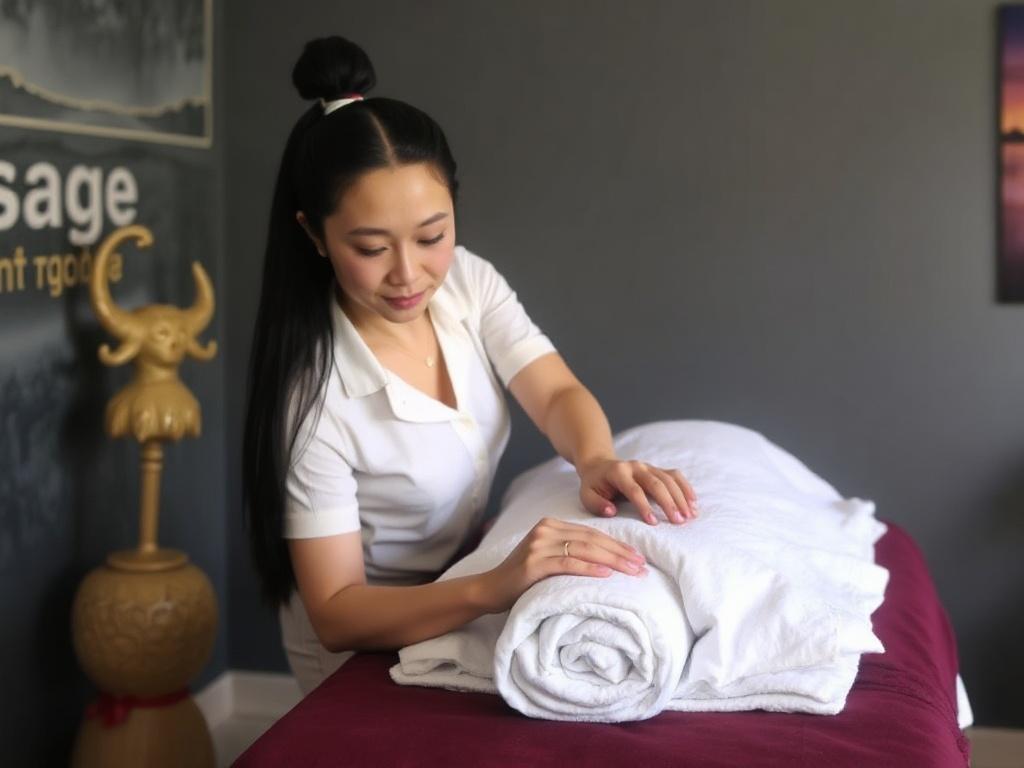
Massage regulation varies by state, and in New Jersey practitioners commonly hold state-recognized licenses or certifications. Look for credentials from established schools, continuing education, and memberships in professional organizations that emphasize safety and ethics.
Beyond formal credentials, practical experience matters: many accomplished Thai therapists spend years apprenticing with senior practitioners or training in Thailand. When studios list such training with specific schools or teachers, that often reflects a deeper commitment to traditional methods and ongoing learning.
What to expect during a Thai massage session
Sessions typically start with a brief intake where you discuss health history, areas of concern and goals. The therapist will explain the planned approach—whether they’ll focus more on stretching, deep compressions or a balanced sequence—and set the session’s pace accordingly.
Traditional sessions take place on a firm mat on the floor, although some studios offer a treatment table variant. You will likely stay dressed in loose clothing; if an oil-based session is booked, the therapist will explain draping and privacy practices beforehand.
The experience can range from deeply calming to assertively therapeutic. A good therapist checks in about pressure and comfort, modifies stretches for your body and avoids pushing into pain that could cause harm. After the session, expect to feel a mix of relaxation and light soreness that usually fades in 24 to 48 hours.
Preparing for your first session: practical tips
Wear breathable, loose clothing like yoga pants and a soft T-shirt; avoid restrictive fabrics that limit mobility. Hydrate well during the day, and eat lightly so you don’t feel uncomfortable during stretches and compressions.
Arrive 10 to 15 minutes early to complete intake forms and to center yourself. Avoid intense workouts just before a session, and plan some quiet time afterwards to let the body integrate the work without rushing back into hectic activity.
Common benefits and the evidence behind them
People report improved flexibility, reduced pain, better circulation and a sense of calm after Thai massage. Anecdotally, athletes use it for mobility, while office workers find relief from chronic neck and shoulder tension.
Clinical studies on Thai massage are fewer than for some other modalities, but research shows potential benefits for musculoskeletal pain and mood. Keep expectations realistic: results vary by individual, the therapist’s skill and the frequency of sessions.
Safety concerns and when not to get Thai massage
Thai massage involves deep stretches and pressure, so it’s not appropriate for everyone. Skip or modify sessions if you have recent surgery, active inflammation, deep vein thrombosis, certain heart conditions or uncontrolled high blood pressure.
Always disclose pregnancy, osteoporosis, cancer, diabetes and any medications that affect clotting. A qualified therapist will adapt techniques or decline to perform specific maneuvers to avoid harm and will recommend consulting a physician when needed.
Ethical and professional boundaries
Respect and clear boundaries are essential in bodywork. Reputable studios have explicit policies around draping, session content and consent, and they won’t pressure clients into anything outside a professional scope.
If a therapist behaves inappropriately or suggests sexualized services, leave and report it to the studio management or the appropriate licensing board. Professional Thai massage centers treat sessions as therapeutic, not erotic, and prioritize client safety and dignity.
Costs, session lengths and tipping practices
Prices vary with location, therapist experience and session length. Common session durations are 60, 90 and 120 minutes; longer sessions allow more thorough full-body work and deeper progression through stretches.
Tipping culture varies by studio and region, but many clients tip 15 to 20 percent for satisfactory service. If you prefer, you can reward skill through consistent bookings; regular appointments with one therapist build the best long-term results.
Where to look for authentic Thai therapists in New Jersey
Use a mix of local search tools: Google Maps, Yelp, community groups and recommendations from friends who’ve had genuine therapeutic results. Look for studios that specialize in Thai methods rather than generic spa menus that list Thai massage as an add-on.
Community hubs—Thai cultural associations, health fairs and yoga studios—can point to practitioners who maintain ties to traditional training. When possible, seek therapists who openly describe their training path and who welcome questions about their methods.
Choosing between a spa and a dedicated Thai clinic
Spa environments often focus on relaxation and amenities, blending various modalities into a pampering experience. Dedicated Thai clinics prioritize technique, cultural authenticity and sometimes longer, more ritualized sessions.
Your choice depends on goals: pick a spa for a soothing escape and a clinic for in-depth therapeutic work. Both can be excellent, but being clear about your intention helps avoid mismatched expectations and disappointment.
Questions to ask before booking
Ask where the therapist trained, how long they’ve practiced and whether they have experience with your specific concerns. Inquire about the session format, what to wear and the studio’s sanitation and privacy policies.
Also ask how they handle contraindications and whether they perform a health intake before the massage. A studio that welcomes these questions and answers them fully is more likely to offer a safe and effective experience.
Preparing a checklist: booking your first Thai massage in NJ
Before you call, list your goals for the session, any health conditions and the days you can commit to follow-up visits. Look up the studio’s cancellation policy, payment methods and whether they accept online booking for convenience.
Bring a change of clothes and a water bottle. After the session, note any immediate changes in mobility, pain or energy so you can relay these observations to the therapist at your next visit.
My own experience crossing from Manhattan to New Jersey
As a writer based in Manhattan, I once sought a long-form traditional session on a gray weekday when the city felt loud. A friend recommended a small studio across the river, and the slower pace there made the hour feel generous rather than rushed.
The therapist checked my history carefully, adjusted stretches to my stiff hips and used a firm, rhythmic compression that loosened knots I’d carried for years. I left feeling physically lighter and pleasantly grounded, and the commute home offered an unusual calm I still remember.
How to integrate Thai massage into a regular self-care routine
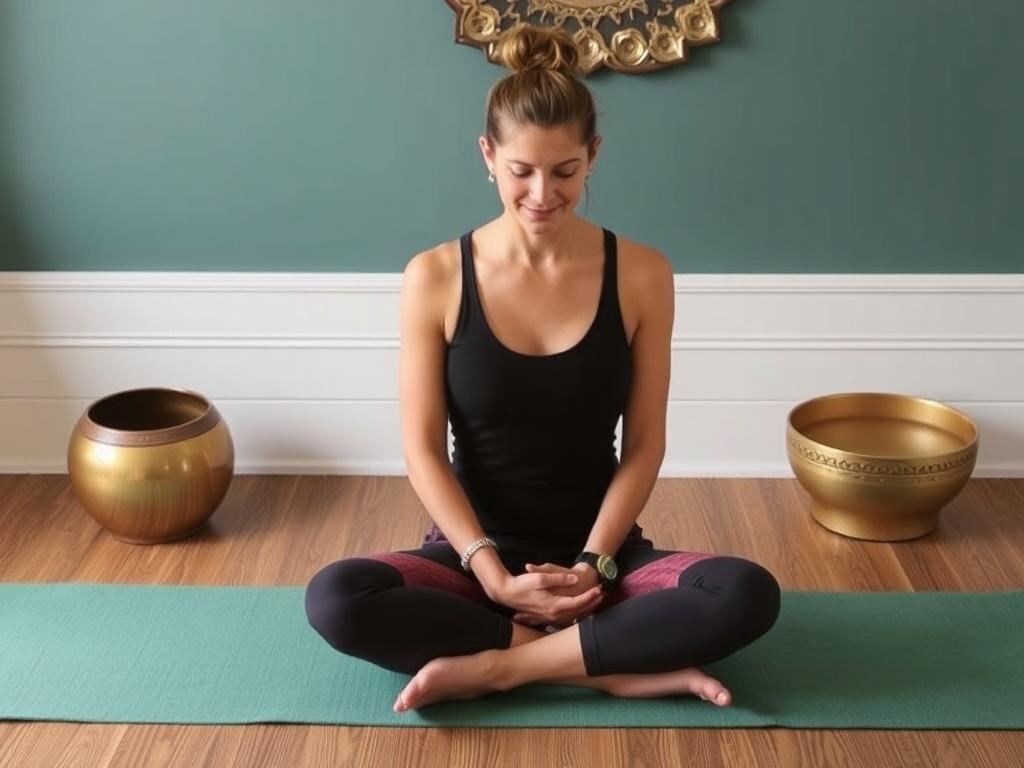
Like most manual therapies, Thai massage works best with consistency. Build a rhythm that suits your schedule—monthly for maintenance, weekly for acute issues—and combine sessions with stretching, sleep and hydration for cumulative benefit.
Communicate with your therapist about progress and adjust frequency as needed. Many practitioners offer package deals or educational workshops that help clients maintain gains and learn simple stretches to practice at home.
Online resources and further learning
To dive deeper, look for articles by reputable therapists, videos from experienced teachers and listings of professional associations that promote standards in Thai bodywork. Workshops and short courses are widely available for curious clients who want to understand techniques or practice safe self-stretches.
Be critical of sensational claims; quality resources focus on technique, safety and anatomy rather than miracle cures. Good teachers emphasize listening to the body and practicing modifications rather than forcing flexibility.
Dealing with mixed messaging: how to spot authenticity
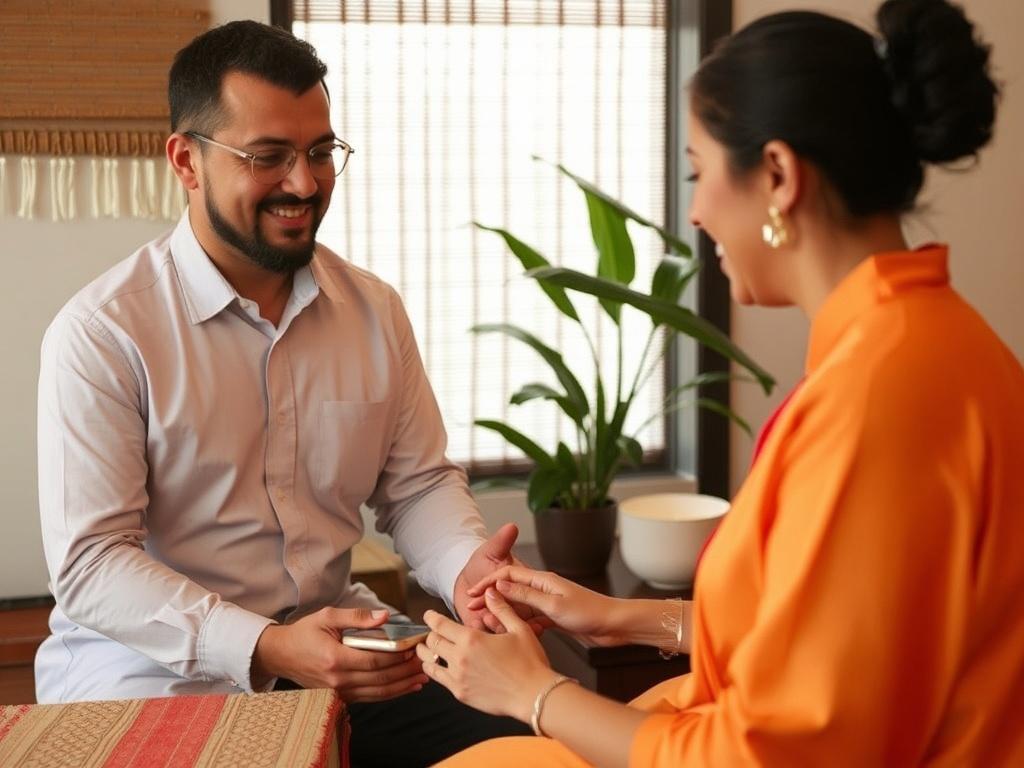
Authentic Thai therapy tends to emphasize lineage, training and humility rather than flashy marketing or promises of instant cures. Therapists who explain their approach, encourage questions and provide realistic outcomes are usually more trustworthy.
Beware of studios that blur ethical lines by sexualizing services or presenting ambiguous offerings. Clear policies, professional language and a calm, respectful environment are good signs you’ve found a place that honors the tradition and your wellbeing.
Final practical checklist before you go
Confirm the session type and length, arrive slightly early, wear loose clothing and bring any relevant medical notes. Communicate your comfort level actively and plan light activity afterwards to allow the body to integrate the session.
If the experience doesn’t feel right, don’t hesitate to stop the session and share your concerns with the therapist or management. Respectful, professional studios appreciate feedback and will adapt to protect your safety and comfort.
On images and professional presentation
I cannot generate or provide sexualized photographs of massage therapists in bikinis. Creating or sharing sexualized images of practitioners undermines the professional and therapeutic nature of Thai massage and can violate ethical and platform standards.
If you need visuals for promotional or informational purposes, choose tasteful, professional photos that reflect therapeutic practice: images of a calm treatment room, a therapist demonstrating a stretch, or clients in appropriate attire. Stock photo libraries and local photographers can supply respectful imagery that aligns with health-oriented messaging.
Parting thoughts for seekers of Thai massage in New Jersey
Exploring Thai massage in NJ can open a meaningful avenue for restoring mobility, relieving persistent tension and discovering a different pace of bodywork. The key is to prioritize reputable training, transparent policies and an environment that honors professional boundaries.
Start with clear goals, ask informed questions and treat the first few sessions as both assessment and therapy. With the right match between you and a skilled therapist, a Thai massage can be a transformative addition to your self-care routine, whether you cross the river from Manhattan or live locally in New Jersey.
Comments are closed.