
Where East Meets the Garden State: A Practical Guide to Thai Massage in New Jersey

Walking from a Manhattan newsroom into a quiet studio is a ritual I’ve learned to savor. The city hum fades, breath deepens, and the body remembers a more patient pace. For many New Yorkers and Jersey residents alike, Thai massage has become a reliable way to reset—physically and mentally.
This article explores what Thai massage offers, how it differs from other bodywork, and how to find a quality practice in New Jersey. Expect practical tips, a few realities about licensing and pricing, and the sort of on-the-ground advice I wish I’d had when I first went looking for authentic sessions outside Manhattan.
What Thai Massage Really Is
Thai massage is a hands-on therapy rooted in centuries-old traditions from Thailand. It blends acupressure, assisted yoga-style stretches, rhythmic compressions, and mindful movement to restore mobility and balance.
Unlike table-based massages where oil and passive rubbing dominate, classic Thai work often happens on a firm mat with the client fully clothed. The therapist uses palms, thumbs, elbows, knees, and feet to apply pressure and guide limbs through stretches.
Brief history and principles
The system grew from a mix of Ayurvedic influences, Thai folk medicine, and the practices developed within the historical temple setting. Over generations it became codified into routines and “lines” of energy known as sen.
In modern practice, therapists combine that tradition with anatomical knowledge. The result is both structured and adaptive: there are sequences many practitioners learn, but the therapist varies technique to the client’s body and needs.
Core techniques explained
Expect to encounter five basic elements: rocking and rhythmic movements to relax the body; compressions along muscles and energetic lines; deep pressure applied with thumbs or elbows; assisted stretches resembling passive yoga; and traction or mobilization of joints.
Each of these aims to increase circulation, reduce tension, and free restricted ranges of motion. The work is dynamic, often playful, and intentionally interactive—therapist and client move as a team.
Benefits and What the Science Says
People come to Thai massage for flexible joints, reduced pain, better posture, and relief from chronic muscle tension. Athletes use it to recover; office workers use it to reverse hours of sitting.
Clinical studies on Thai massage are fewer than for some Western modalities, but research indicates improvements in pain, range of motion, and mood for certain conditions. Many benefits come from a mix of mechanical effects, improved blood flow, and relaxation responses in the nervous system.
Common conditions helped by Thai massage
Clients report measurable gains for lower back stiffness, tight hips, neck tension, headache frequency, and restricted shoulder range. When combined with exercise and ergonomic adjustments, the effects tend to last longer.
That said, it is not a panacea. For structural injuries or systemic illnesses, Thai massage works best as part of an integrated approach advised by medical professionals.
How Thai Massage Differs From Other Modalities
Comparing modalities helps set realistic expectations. Swedish and deep-tissue massage rely primarily on gliding strokes and manipulation on a table with oil. Shiatsu uses finger pressure along meridians but is usually done on a mat and can resemble Thai work.
What sets Thai massage apart is the emphasis on assisted stretching and continuous movement patterns that often mimic yoga flows. The interaction is more dynamic, and clothing remains on, which changes the therapist’s options and the sensation.
Quick comparison table
| Feature | Thai Massage | Swedish Massage | Deep Tissue |
|---|---|---|---|
| Typical location | Mat on floor, fully clothed | Table with oil | Table with firm pressure |
| Primary techniques | Stretching, compressions, mobilization | Long strokes, kneading, effleurage | Slow, focused pressure on deep layers |
| Best for | Mobility, joint stiffness, athletic recovery | Relaxation, circulation | Chronic muscle knots |
What to Expect During a Session
First sessions can feel unfamiliar. You’ll likely be guided to wear comfortable, loose clothing—yoga pants and a T-shirt, for example. The room tends to be heated just enough to encourage muscle relaxation without sweating.
Sessions start with a brief conversation about health history and goals. The therapist then uses a sequence of movements tailored to your body. You participate by relaxing and, occasionally, assisting with light stretches.
Session lengths and formats
Common durations are 60, 90, and 120 minutes. Longer sessions allow more time for slow integration of movements and for working on multiple areas of tension without rushing.
Some studios offer hybrid sessions that combine Thai techniques with oil work or cupping. If you have a specific preference, ask when booking so the therapist can plan accordingly.
Safety, Contraindications, and Communication
Thai massage involves deep pressures and stretches; open communication is essential. Before work begins, disclose recent surgeries, blood clots, connective tissue disorders, pregnancy, or any condition that may be contraindicated.
If pregnancy applies, seek practitioners specifically trained in prenatal Thai massage. Some stretches and pressure points are not appropriate during pregnancy and should be adjusted.
Signs you should pause or modify a session
- Sharp, radiating pain that feels different from typical soreness.
- Numbness or tingling that worsens during stretches.
- Dizziness, lightheadedness, or unusual shortness of breath.
- Areas of inflammation, fever, or open wounds.
Good therapists check in frequently. You should expect to be asked about pressure and comfort multiple times during a session.
Finding a Quality Thai Massage in New Jersey
New Jersey has a wide range of practitioners: from ethnic community studios to well-established wellness centers. The key is to identify training, experience, and an environment where communication is prioritized.
Look for therapists who cite training at reputable Thai massage schools or apprenticeships with experienced elders. Credentials vary, so focus on transparent practitioner bios and client reviews that mention technique and professionalism.
Practical search tips
Use search terms combining location and training—examples include “Thai massage [city] trained in Wat Po techniques” or “certified Thai massage therapist near me.” Read multiple reviews and pay attention to repeat comments about skill, pressure, and atmosphere.
If a studio’s web presence lacks clear information about the staff’s training, call and ask for details. Ask whether the therapist is insured and how they manage health disclosures. How a place answers a simple question reveals much about its standards.
Where to look in New Jersey
Because New Jersey is close to New York City, many people commute for appointments across the river; conversely, Jersey locals may prefer neighborhood studios. Popular hubs where you’ll find varying levels of Thai practice include Jersey City, Hoboken, Montclair, Princeton, Fort Lee, and Morristown.
These towns feature a mix of small family-run places and larger spas that occasionally host therapists trained in Thailand. Explore local directories, community boards, and wellness groups for referrals—word of mouth still uncovers the gems.
Pricing, Packages, and What’s Reasonable

Pricing in New Jersey varies by location, therapist experience, and session length. Expect a range; modest neighborhood studios will charge less than upscale spas in transit-heavy towns closer to Manhattan.
As a rough guide, 60-minute sessions often fall into an affordable bracket, while 90- to 120-minute sessions offer deeper value for the time invested. Many clients find the longer sessions more restorative because the therapist can work without rushing.
Tipping and package etiquette
Tipping is customary when you receive good service; 15–20 percent is common, but use discretion based on the level of care and your satisfaction. If a community studio or independent therapist includes gratuity or has a no-tip policy, it will usually be stated.
Many studios sell packages or memberships that reduce the per-session cost. Buy a package only if you’re confident you’ll use it; schedule flexibility matters, as missed sessions can lead to wasted funds.
Licensing and Legal Landscape in New Jersey
New Jersey requirements for massage practitioners have evolved, and rules differ by municipality. Some jurisdictions require licenses and continuing education; others regulate via business permits.
When evaluating a studio, check whether therapists list licensure or professional affiliations. In many cases, therapists also carry liability insurance and post visible business credentials on site.
Questions to ask a prospective therapist
- Where did you train and how long have you practiced?
- Do you carry professional liability insurance?
- Are there contraindications I should know about for my medical history?
- How do you manage client privacy and comfort during sessions?
These questions are simple and respectful. A professional practitioner will welcome them; evasive answers are a red flag.
Etiquette and Personal Comfort
Politeness and clear communication make sessions more effective. Arrive hydrated and avoid heavy meals immediately before a session. If you’re new to Thai massage, allow a few minutes to acclimate to the practitioner’s rhythm.
Tell the therapist when pressure is too light or too strong. Effective therapists adapt, and small adjustments often transform the quality of the work.
What to wear and how to move
Wear breathable, flexible clothing. You’ll be asked to remove shoes and sometimes jewelry. Your movement is mostly passive; when instructed to help with a stretch, move freely and communicate any restrictions.
After the session, take a moment to rehydrate and stand slowly. Doing so reduces post-session lightheadedness and helps you savor the benefits.
Integrating Thai Massage into a Broader Wellness Plan
Thai massage is most powerful when paired with consistent movement, targeted strength work, and attention to posture. Use sessions as reset points and incorporate daily mobility routines that mirror stretches introduced during treatment.
For athletes, scheduling Thai sessions during lighter training weeks yields better recovery and reduced risk of overuse. For desk workers, regular sessions can counteract cumulative tension in hips and shoulders.
Suggested frequency
Frequency depends on your goals. For maintenance and stress relief, monthly sessions are a reasonable starting point. Those addressing chronic issues or recovering from intense training often schedule weekly or biweekly sessions for a limited time.
Monitor how your body responds and adjust. Consistency trumps occasional intensive work; small, repeated changes in muscles and movement patterns produce lasting gains.
Personal Notes from a Manhattan Writer
I remember one afternoon hopping across the river for a long session in a modest Hoboken studio. The therapist led me through slow, deliberate stretches that felt absurdly simple and, minutes later, profoundly effective.
What surprised me most was not the immediate reduction in tension but how my breathing and posture had quietly shifted. For a week afterward, I sat at my desk with different shoulders—softer and less defensive. That subtle change kept me coming back.
Practical Checklist Before Your First Visit
- Confirm training and years of experience when booking.
- Wear loose, comfortable clothing and arrive hydrated.
- Disclose medical history and recent surgeries honestly.
- Ask about session length and what to expect during the appointment.
- Decide ahead of time whether you prefer more stretching or more compressive work.
Images and Visuals: A Note on Requests
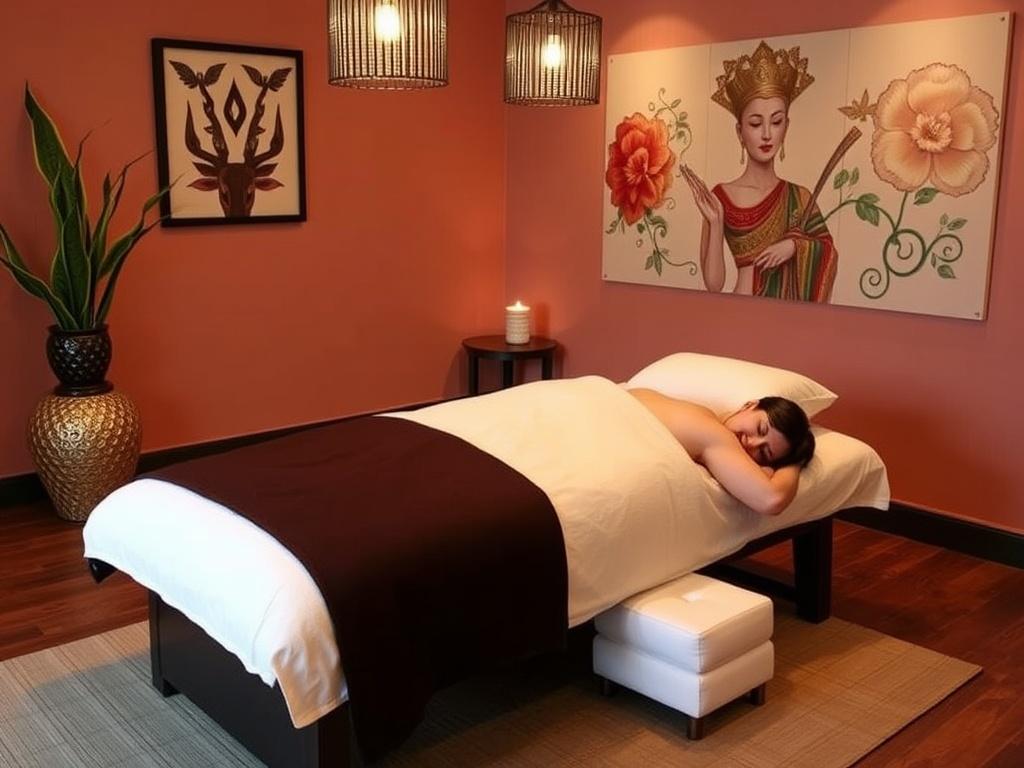
I cannot create or provide sexualized photographs of people. If you need images for a website or article, seek out professional, tasteful stock photography that respects models’ dignity and legal rights.
Good sources include licensed photo libraries and local photographers who can produce authentic, non-exploitative images of wellness environments. Specify clothed, professional settings and obtain model releases for any promotional use.
Final Practical Advice Before You Book
Start with a clear goal. Whether you want relief from a persistent ache, better athletic recovery, or a fresh approach to mobility, communicating that goal helps the therapist choose techniques and structure the session.
Remember that quality depends less on fancy décor and more on practitioner skill, communication, and continuity. A measured approach—trying a respected independent therapist or buying a single longer session—often reveals what works for your body.
If you live in or near New Jersey and are curious about Thai massage, treat your first visit as an experiment. Pay attention to how movement feels afterward, and allow a few sessions for cumulative benefit. With the right therapist, Thai massage can become a quietly powerful part of your wellness routine, restoring ease and expanding what your body can do.
Comments are closed.