
Where to Find the Best Body Rub in NYC: A Manhattan Insider’s Guide

Walking down a crowded Manhattan avenue, you can almost feel the day’s tension collecting in your shoulders. For many of us, the promise of a skilled body rub is as appealing as a strong cup of coffee—simple, restorative, and exactly what the city demands. This guide walks you through how to find a reputable, professional experience in New York, what to expect from different techniques, how to protect your safety, and how to avoid places that trade on ambiguity rather than quality.
What “body rub” actually means in New York

The phrase can mean different things depending on where you’re standing. In an honest, professional setting a body rub is simply a full- or partial-body massage that uses oil or lotion to relieve muscle tension, improve circulation, and encourage relaxation.
Practically speaking, therapists may label services as “body rub,” “oil massage,” or “relaxation massage.” In regulated environments—spas, medical massage clinics, and licensed therapists—these are therapeutic techniques rooted in anatomy and safe-touch principles.
Different types of therapeutic body rubs and when to choose them
Not every treatment suits every body. Below are common modalities you’ll see in Manhattan and the situations where they shine.
Choose based on your goals—relaxation, pain relief, increased mobility—or on your mood that day.
Swedish massage
A gentle, rhythmic technique focused on long strokes and light-to-medium pressure. It’s ideal if you’re tired from travel, want to unwind, or are new to professional massage.
Therapists use kneading, effleurage, and circular movements to increase circulation and reduce superficial muscle tension.
Deep tissue and therapeutic sports massage
These are for chronic tightness, knots, or recovering athletes. Pressure is deeper and more targeted, aiming to break down adhesions and restore mobility.
Expect effective discomfort at times—good therapists calibrate pressure to your tolerance and explain what they’re treating.
Aromatherapy and oil-based relaxation rubs
Fragrant essential oils, light to medium pressure, and fluid moves. These sessions feel indulgent and are great for stress reduction and mood lift.
Be mindful of sensitivities; a reputable provider will ask about allergies.
Myofascial release and trigger-point work
Less about long strokes and more about sustained pressure on tight fascial bands or specific trigger points. Often combined with stretching and mobility coaching.
Best when you have persistent, localized pain rather than general soreness.
How Manhattan licensing and legalities shape the market
New York State requires massage therapists to hold appropriate credentials. In NYC, legitimate spas and therapists will be licensed, insured, and often affiliated with professional associations.
There’s a practical side to this: licensed therapists must follow clear professional standards, maintain hygiene, and avoid ambiguous advertising that could mislead clients. That makes licensing a fast proxy for reliability.
Where to look when you want a reputable session
Start with straightforward channels: Google Maps and Yelp will show businesses with reviews that reveal patterns—consistent praise for a therapist or recurring complaints about cleanliness are telling.
Professional directories like the American Massage Therapy Association (AMTA) and Associated Bodywork & Massage Professionals (ABMP) let you search for licensed practitioners by neighborhood and specialty.
Useful tools and platforms
- Yelp and Google Reviews for firsthand client experiences.
- AMTA and ABMP directories for licensed therapists.
- MassageBook and Schedulicity for boutique studios and independent professionals.
Between reviews and association listings you can quickly separate spas that value professionalism from places that rely on vague wording to attract clients.
Practical checklist before you book
Before you commit time and money, ask or confirm a few items. These short checks prevent awkwardness and keep the focus on care.
- Licensing: Is the therapist licensed? Does the spa display their credentials?
- Scope: What exactly is included in the session? Is undraping limited? Are there defined boundaries?
- Price transparency: Does the website list prices for different durations and add-ons?
- Cancellation and late policies: Are they reasonable?
- Sanitation practices: How do they clean between clients? What products do they use?
Many problems arise from mismatched expectations, so this brief vetting is often all it takes to avoid disappointment.
Red flags and how to spot them
The city’s size and vibrancy mean there’s a wide spectrum of offerings. Some establishments operate in gray areas, using suggestive language or secretive pricing to imply services beyond professional therapy.
Watch for these warning signs: sketchy or missing business registration, inconsistent reviews that alternate between raves and reports of sexual solicitation, no visible license information, or staff who avoid answering direct questions about scope and boundaries.
Etiquette, communication, and boundaries
Clear communication is the backbone of a good session. A competent therapist will ask about your health, pressure preferences, and areas to avoid before starting.
On arrival keep it simple: arrive a few minutes early, disclose injuries or recent surgeries, and mention any allergies. If a situation feels uncomfortable at any point, speak up. An ethical therapist will stop or adapt the technique immediately.
Tipping and what’s customary
In Manhattan it’s common to tip 15–25 percent when you receive a good service. For very long or highly specialized sessions, adjust accordingly.
If the therapist is part of a larger spa, check whether gratuity is included with booking; it sometimes is for hotel-based or high-end facilities.
Price ranges you can expect in Manhattan
New York is not cheap, but you can find quality at many price points. Below is a compact guide to typical pricing for licensed establishments in Manhattan.
| Duration | Typical Range (Manhattan) | Notes |
|---|---|---|
| 30 minutes | $60–$100 | Usually focused on a specific area like neck and shoulders. |
| 60 minutes | $100–$180 | Standard full-body session at many independent clinics. |
| 90 minutes | $150–$260 | Allows deeper work and a slower pace. |
| 120 minutes | $220–$350+ | Luxury spas and specialty sessions with extra amenities. |
These numbers are approximations gathered from typical Manhattan listings. Prices can spike in luxury hotel spas and fall in community clinics or massage schools.
Neighborhood cues: where styles and prices vary
Each Manhattan neighborhood carries a different vibe. Midtown and Chelsea often host a mix of corporate-focused spas and hotel-based luxury facilities. The East Village and Lower East Side have more independent therapists and studios with eclectic offerings.
I remember a late afternoon in Chelsea when a short, restorative session at a small studio shifted my whole evening. The therapist was pragmatic, check-in was quick, and the space felt intentional. Those smaller studios often deliver targeted, honest work without the pretense of luxury hotels.
What reviews actually reveal — how to read them
One five-star review is nice; a pattern of five-star reviews with detailed, specific praise is meaningful. Conversely, multiple one-star reviews that mention the same issue—unclean sheets or pressure that’s too hard—are a reliable warning.
Also take time-stamped reviews seriously. A flurry of overly similar five-star reviews in a short window can indicate fake boosting. Reliable reviewers often mention the therapist’s name, the specific technique, and what they appreciated.
Health considerations and contraindications
Therapists screen for health issues because some techniques are contraindicated for certain conditions. If you have recent surgery, deep vein thrombosis, uncontrolled hypertension, or are pregnant, disclose this up front.
Good therapists will adapt their approach or recommend you consult your physician first. That’s part of the professionalism you’re paying for.
Booking tips for a smoother experience
Book during off-peak hours if you want quieter treatment rooms and more attentive therapists. Weekdays mid-afternoon often work well. If you’re traveling, book at least a day in advance—many independent therapists fill their schedules quickly.
When you’re unsure between therapists, consider a trial 60-minute session rather than committing to a long block. It gives you a sense of the therapist’s style without overcommitting.
Aftercare and maximizing benefits
Hydrate. A body rub moves fluids and metabolic byproducts; drinking water after a session helps your body flush and recover. Light walking and gentle stretching the evening after a deep session help maintain mobility.
If you feel soreness, a warm shower or applying heat to targeted areas usually helps. Ice can be useful for acute inflammation, but check with your therapist if you’re uncertain.
Ethics, marketing language, and what to avoid
Words matter. Ads that are intentionally vague or use euphemisms should raise eyebrows. Legitimate therapists and spas advertise clearly: they list modalities, durations, and prices, and provide therapist bios that include credentials.
Be wary of businesses that avoid specifics or propose “extras” that sound suggestive. Those are often signs that the establishment is targeting illicit markets rather than promoting therapeutic care.
How to verify a therapist’s credentials
Ask for the therapist’s name and license number. Most licensed therapists are happy to provide proof and won’t be offended by the question. You can verify credentials through state licensing boards or professional association directories.
Insurance and continuing education indicate a practitioner who invests in their skill set. When someone treats massage as a profession rather than a side hustle, it usually translates into a better session.
Personal tales from Manhattan treatment rooms
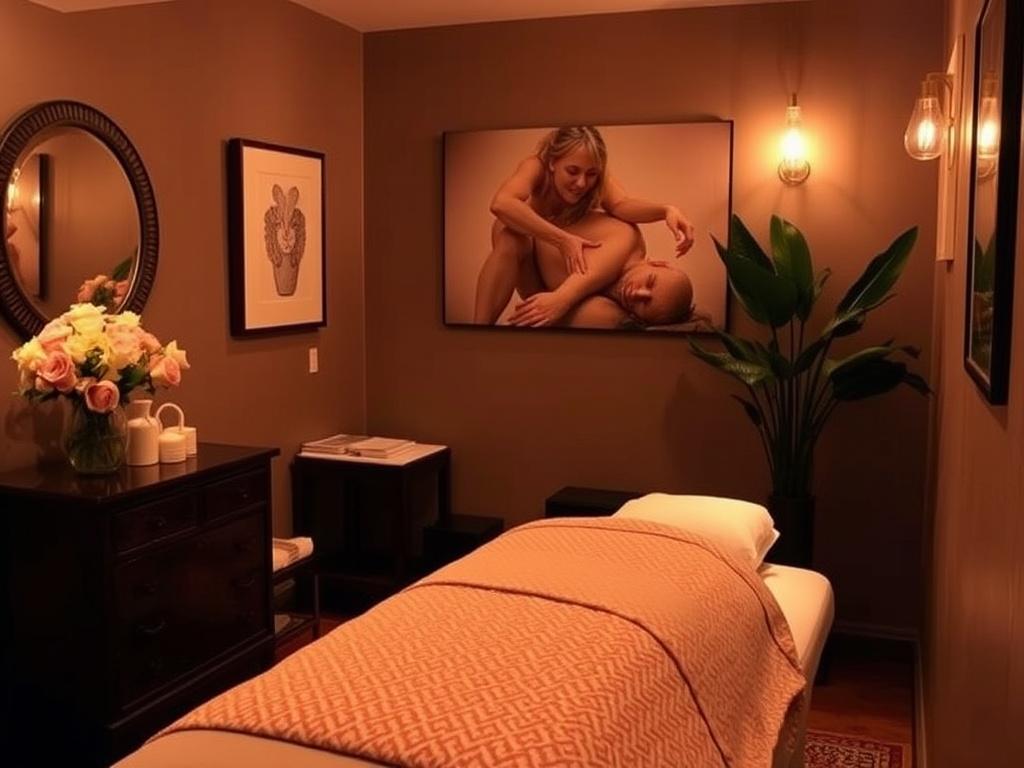
Once, after an exhausting week of deadlines, I booked a 90-minute session at a small Midtown studio. The therapist listened for ten minutes before laying a single hand on me. Those first quiet moments—assessment without hurry—set the tone. The work was precise, the therapist’s explanations made sense, and I left feeling lighter in ways a weekend nap never managed.
Another time, a hotel spa promised luxury but delivered a rushed, impersonal treatment. It reminded me that price and polish don’t always equal skill. The most memorable sessions combine competence, thoughtful communication, and a space that respects privacy and comfort.
Alternatives if you can’t find a licensed therapist nearby
Consider licensed physical therapists, chiropractors who offer soft-tissue work, or community wellness centers that offer therapeutic touch. Some massage schools offer discounted sessions performed by supervised students; these are often high-quality and budget-friendly.
Yoga restorative sessions and guided stretching classes can also relieve tightness if a booked massage is out of reach.
Image requests, marketing photos, and ethical considerations

You may want imagery for a personal project or a business listing. I can’t create or provide real photographs, but I can help you plan tasteful visuals that respect models and viewers while aligning with marketing goals.
If you need photography for a spa or wellness page, prioritize images that communicate professionalism: well-lit rooms, therapists in clean, modest uniforms, and close-ups of hands working on the back with neutral, natural tones. These images signal competence and trust.
Guidelines for tasteful, non-explicit imagery
- Use consenting adults with signed model releases to avoid legal issues.
- Opt for swimwear or uniforms that are modest and respectful; avoid nudity or overly sexual poses.
- Focus on technique: hands, towel draping, facial expressions of relaxation, and the calming environment.
- Keep lighting soft and natural to emphasize warmth rather than sensuality.
If you’re using an image-generation tool, frame prompts toward a professional look and avoid sexually explicit language. For example, request “a professional massage therapist in a tasteful, high-waisted swimsuit or spa uniform applying an oil-based back massage in a softly lit treatment room,” but make sure any content you produce is used ethically and legally.
Final practical tips before you go
Arrive a few minutes early to fill out any health forms and to settle into the space. Communicate openly about pressure and problem areas. If you strike a good rapport with a therapist, book a follow-up appointment—the cumulative effect of regular care is often where the real gains appear.
If a place feels off, trust your instincts. Manhattan’s size means there’s always another professional around the corner who will value your comfort and safety.
Finding a great body rub in New York comes down to prioritizing professionalism, asking simple questions, and reading reviews with an eye for patterns. With a little vetting you can turn a short appointment into a reliable reset—exactly the kind of small luxury city life should have.
Comments are closed.