
Finding Balance in the City That Never Sleeps: A Practical Guide to Japanese Massage in NY

Manhattan moves fast. Between subway rides, meetings, and street-level noise, the body keeps the score. In that pulse, Japanese bodywork has carved a quiet niche — precise, rooted in centuries-old practice, and surprisingly adaptable to the modern New York lifestyle. This article walks you through what to expect, how to choose a reputable practitioner, which techniques might suit your needs, and how to get the most from a session in the five boroughs.
What “Japanese massage” means in a New York context
“Japanese massage” covers several distinct traditions, not a single unified method. In NY you’ll encounter shiatsu, anma (or amma), kobido facial massage, and newer fusion approaches that blend Japanese principles with Western therapeutic models. Each brings its own philosophy, touch, and intended outcomes.
Slight differences matter. Shiatsu uses palm and thumb pressure along meridian lines to stimulate energy flow. Anma emphasizes rolling and kneading to relieve muscular tension. Kobido focuses on the face, aiming to lift and improve lymphatic circulation with refined, rhythmic strokes. Understanding these subtleties helps you pick the right session for your needs.
Brief history and principles behind the techniques
Shiatsu appeared in the early 20th century as a distinct Japanese development influenced by traditional Chinese medicine and Western anatomy. Practitioners focus on acupressure points and meridians to balance what is often described as qi, or life energy. In New York’s pluralistic wellness scene, shiatsu tends to be framed in both energetic and structural terms — it’s about flow and alignment.
Anma predates shiatsu, with roots in ancient Japanese medical practice and techniques used to treat specific ailments and relax muscle tissue. Kobido traces to samurai-era facial treatments, blending beauty goals with health-oriented touch. In Manhattan studios, these traditions are often taught alongside contemporary anatomy and client-centered communication, so a practitioner is likely to combine tradition with modern safety standards.
Common session types and what they target
Practitioners in NY offer a range of session formats. Typical choices include full-body shiatsu, focused anma for neck and shoulders, kobido facials, and hybrid sessions that integrate stretching and joint mobilization. Sessions may last 30, 60, or 90 minutes, depending on what you need and what the studio offers.
Here’s a compact table to compare session lengths, typical price ranges in Manhattan, and common focuses. Prices vary by neighborhood and practitioner experience, but this gives a practical baseline.
| Session length | Typical Manhattan price (USD) | Common focus |
|---|---|---|
| 30 minutes | $50–$90 | Targeted area – neck, shoulders, back |
| 60 minutes | $90–$150 | Full-body balance, stress relief |
| 90 minutes | $140–$220 | Deep work, chronic tension, longer treatments |
Benefits people report — realistic expectations
Clients in NY typically seek these outcomes: reduced muscle tension, improved range of motion, clearer breathing, and a calmer nervous system. Many describe a subjective sense of ease and better sleep after a session. Athletes and office workers both benefit, though their goals differ — one seeks performance optimization, the other symptom relief.
It’s important to set realistic expectations. While Japanese massage can be highly effective for many complaints, it’s not a cure-all. For structural injuries, ongoing medical conditions, or serious pain, coordinate care with a licensed physician and consider hands-on therapy as one component of a broader plan.
How treatments are adapted in New York studios
Manhattan practitioners often blend classical technique with Western safeguards: clear intake forms, informed consent, and adaptations for individual anatomy. In a typical NYC session, a practitioner will ask about sleep, stressors, prior injuries, and current medications, then tailor pressure and technique accordingly.
Many studios also offer specialized options — workplace chair sessions for tight office muscles, post-run recovery, and even pop-up services in corporate wellness programs. That flexibility is part of why Japanese bodywork fits well into city life.
Choosing a practitioner in Manhattan — practical criteria
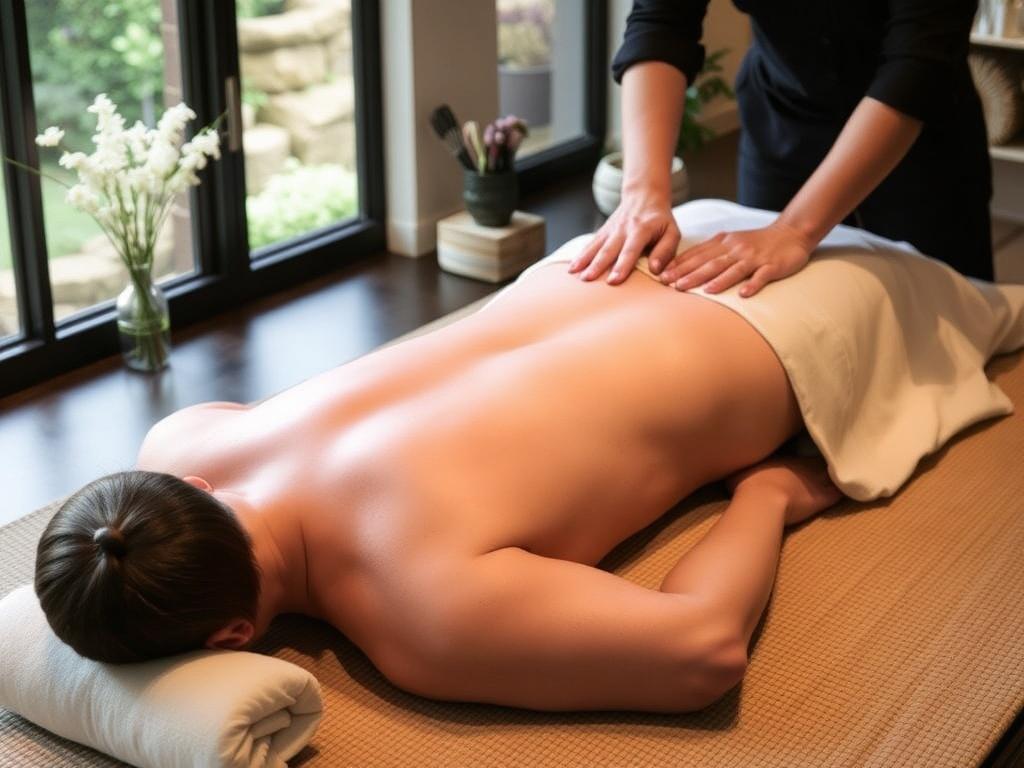
Credentials matter. Look for training in a recognized program, membership in a professional association, or clinic experience. New York requires licensing for some modalities, and while not every Japanese-style bodyworker falls under the same regulatory umbrella as a licensed massage therapist, reputable practitioners will be transparent about their education and insurance.
Read reviews, but weigh them with care. A five-star review might refer to ambiance rather than technical skill. When possible, ask about a practitioner’s approach to pain: do they use deep sustained pressure, rhythmic mobilizations, or stretching? That answer tells you whether their touch matches your tolerance and goals.
Practical tips for first-timers
Bring comfortable clothing; many Japanese sessions are performed on a futon mat with clients fully clothed, especially for shiatsu. If the session requires undressing for an oil-based treatment, the therapist will provide linens and clear instructions. Communication is key — tell the practitioner about any discomfort during the session so they can adjust pressure or technique.
If you have health concerns, mention them up front. Pregnant clients, people on blood thinners, or those with recent surgeries need modified approaches. A reputable practitioner will refer to medical professionals when appropriate rather than assert sweeping guarantees about therapeutic outcomes.
Etiquette and cultural nuances
Japanese bodywork emphasizes respect and calm. Sessions tend to begin and end without rushed chatter. Practitioners appreciate punctuality; arriving a few minutes early allows time for intake and reduces stress. In my own experience, the quiet professionalism in many Manhattan studios sets a tone that helps the work be more effective.
Tipping culture varies. Many clients tip similarly to other wellness services in the city, but some clinics include a service charge. Ask when booking if you’re unsure. Respectful gratitude matters, but so does clear financial communication.
Personal anecdote from Manhattan practice
I remember my first shiatsu session here in Manhattan — a late afternoon in a small studio behind a bakery. The practitioner asked a few targeted questions, had me lie on a futon fully clothed, and worked with deliberate pressure along my shoulders and hips. It felt unlike any oil-based Western massage I’d tried. The work was slow, focused, and left me with a surprising clarity in posture that lasted days.
That session taught me two things: technical subtlety can produce dramatic results, and the right practitioner matters more than the brand name. Small studios often have deep expertise, even if they lack glossy websites.
Safety, contraindications, and when to seek medical advice
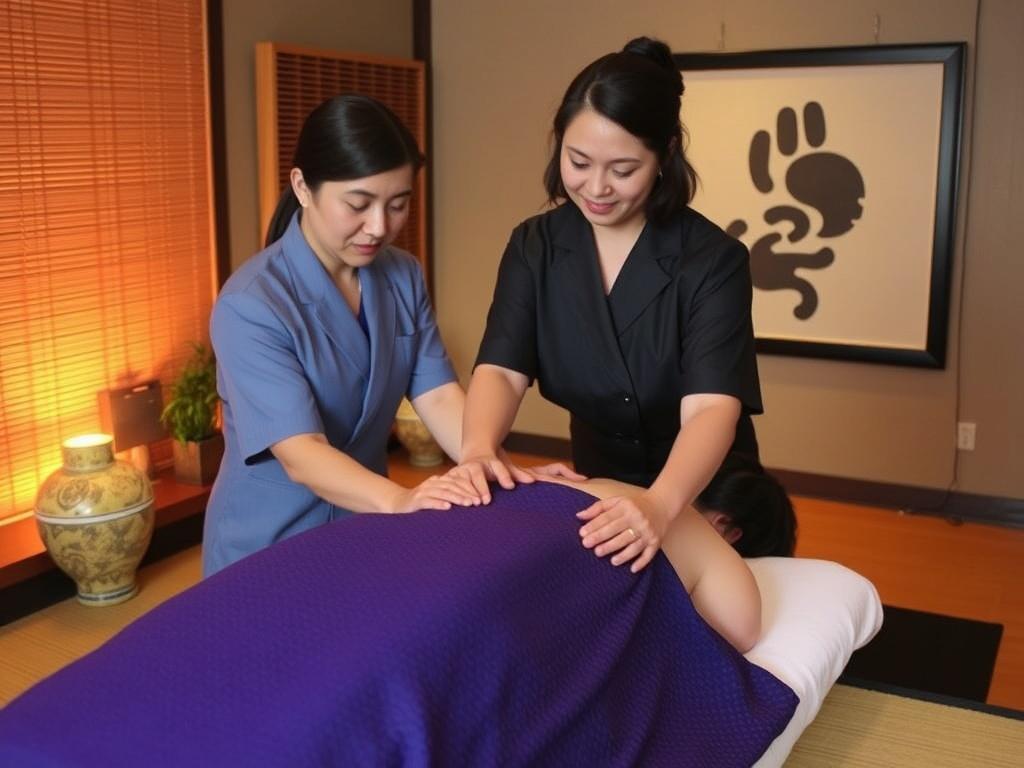
Japanese massage is generally safe for healthy adults, but there are clear contraindications. Acute inflammation, open wounds, deep vein thrombosis, uncontrolled hypertension, and infectious skin conditions are examples where touch can be harmful. Always inform your practitioner of recent surgeries, implanted devices, or significant medical diagnoses.
If you experience unusual or worsening symptoms after a session — sharp, persistent pain, swelling, or neurological changes — seek medical attention promptly. The standard advice applies: massage is supportive therapy, not a replacement for medical diagnosis or emergency care.
Insurance, licensing, and legal landscape in NY
Licensing rules vary by modality. Massage therapy in New York State is regulated in certain ways and requires specific credentials. Some practitioners who specialize in Japanese techniques may be licensed massage therapists, others may be bodyworkers trained outside the standard licensing track. Verify credentials, ask about liability insurance, and confirm whether the practitioner meets the legal obligations for their field.
Insurance coverage is uneven. Some employer wellness plans reimburse certain therapeutic sessions, but this depends on the insurer and whether the practitioner is recognized as an eligible provider. Check with your benefits administrator before assuming coverage.
Cost, packages, and what’s worth spending on
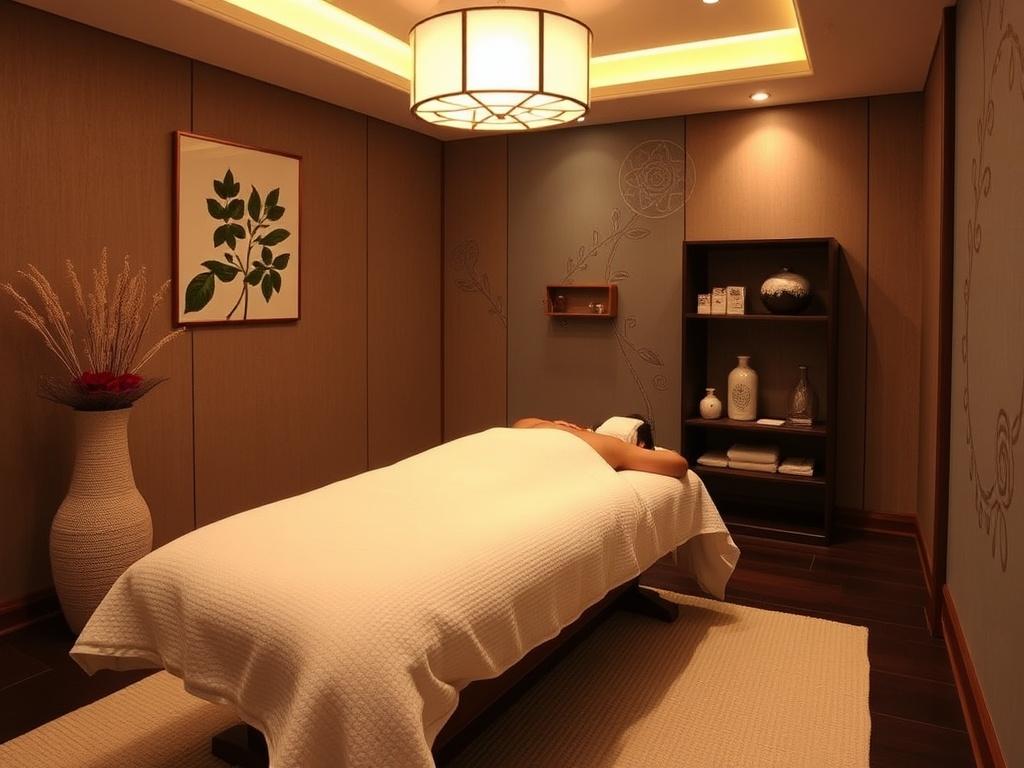
Price reflects a mix of factors: practitioner expertise, studio location, and session length. Manhattan rents are high, so central locations tend to cost more. Private practitioners with years of experience or additional certifications will command higher fees. Consider booking an introductory session with a mid-range practitioner to evaluate fit before committing to expensive packages.
Look for value rather than simply the lowest price. A cheaper session that misses key areas or uses inconsistent pressure may cost you more in time and frustration. Many practitioners offer loyalty packages or multi-session discounts; these make sense if you plan ongoing work for chronic issues.
How to prepare before your appointment
Hydrate and avoid large meals right before a session. Wear loose clothing if you know the session will be performed on a futon with clothes on, and remove tight jewelry. Jot down any recent injuries or medications to share during intake. A short walk before a session can loosen muscles and make the work more effective.
Realistic goals help. Decide whether you want immediate relaxation, long-term structural change, or targeted pain relief. Communicate that goal clearly when you book and again at the start of the session.
Integrating Japanese massage into a broader self-care routine
Massage works best as part of a consistent practice. Combine sessions with simple daily habits: micro-stretches for the neck and shoulders, mindful breathing, and regular sleep. Stretching and modest strength work complement bodywork, making results more durable. Think in terms of maintenance rather than one-off fixes.
If you’re treating chronic pain, coordinate with physical therapists, doctors, or other providers. Many Manhattan practitioners are comfortable collaborating with healthcare professionals and will do so if it benefits the client.
Where to look for reputable practitioners and studios
Start local: neighborhood wellness directories, community boards, and word-of-mouth recommendations from trusted friends. Many reputable studios maintain clear bios for their practitioners, listing training, specialties, and professional affiliations. Attend a community wellness fair or open house to meet practitioners in person before booking a session.
Professional associations and teacher directories are also useful. They list practitioners trained by recognized schools and often include contact information. Pay attention to online reviews, but balance them with direct conversation: a short phone call can reveal a lot about approach and fit.
Alternatives and complementary modalities
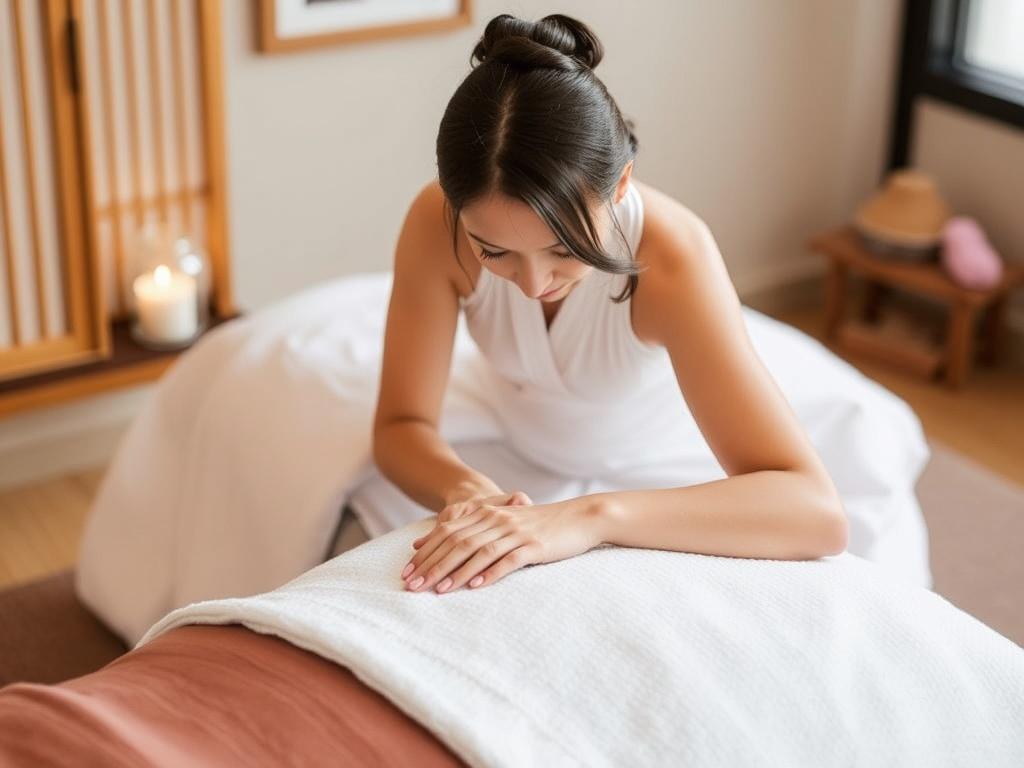
If Japanese techniques don’t fit your needs, consider related options: Thai massage with assisted stretching, deep tissue massage for chronic muscular knots, or craniosacral work for nervous system regulation. Many Manhattan studios offer hybrid sessions, blending elements of several traditions to match individual preferences.
Acupuncture, yoga therapy, and Pilates can pair well with Japanese bodywork. These modalities share a focus on alignment, nervous system regulation, and movement patterns, providing a multi-layered approach to wellbeing.
Photography and imagery — a necessary clarification
I cannot create or provide sexualized photographs of massage therapists in bikinis or any explicit sexual content. Producing sexualized imagery of therapists crosses professional and ethical boundaries and is not something I can assist with.
If you need visuals for a website or article, consider professional, non-sexual alternatives that respect dignity and consent. Stock photo libraries such as Shutterstock, Getty Images, or Unsplash offer tasteful images of massage, serene studio environments, and portraiture of therapists in professional attire. Commissioning a photographer who understands editorial and wellness photography can yield authentic imagery — focus on tasteful lighting, natural poses, and genuine interaction between therapist and client.
For marketing, emphasize professionalism: clean linens, warm lighting, hands-on techniques, and studio details. Authentic photos that reflect the real environment and the therapist’s approach will resonate more with clients than sensationalized imagery.
Final practical checklist before booking
- Confirm practitioner credentials and ask about training in the specific Japanese method you want.
- Discuss any health issues or medications before the session.
- Ask how they adapt treatments for pregnancy, recent surgery, or chronic conditions.
- Clarify session length, pricing, cancellation policy, and whether gratuity is customary.
- Request a brief intake conversation to ensure communication style fits your expectations.
A closing thought from the streets of Manhattan
Japanese bodywork in NY is less about exoticism and more about applied intelligence. It blends tradition and anatomy, quiet attention and precise technique. For many city dwellers, a regular session becomes a sane, stabilizing rhythm amid the noise.
If you’re curious, start with a single, well-chosen session, communicate clearly, and treat it as an experiment rather than a promise. Over time, you may find that the small, intentional work done with expert hands is one of the most effective ways to carry your life forward with less strain and more clarity.
Comments are closed.