
Discover the rhythm of Thai massage uptown: a guide for curious city dwellers

Walking into an uptown massage studio often feels like stepping into a well-kept secret amid the city’s noise — soft music, warm light, and an atmosphere tuned to calm. This article walks you through what Thai massage is, how it differs from other styles, what to expect during a visit, and practical tips for finding a quality place uptown. If you’re intrigued by deep stretches, mindful movement, and a hands-on approach to bodywork, read on.
Why people are drawn to Thai massage in an urban setting
City living carries a peculiar tension: long hours at a desk, crowded commutes, and a schedule that prizes speed over pause. Thai massage answers that pressure with a distinctive blend of movement and pressure that helps release tightness without relying solely on oil or long strokes.
Many uptown residents prefer it because sessions feel active and restorative at once. Instead of lying still while someone works, you’ll be guided through assisted stretches, compressed along energy lines, and rolled on a mat or cushioned table.
That combination makes it popular after long flights, intense workout cycles, or simply as a weekly reset. People often report improved mobility, clearer breathing, and a slow-down of the habitual clenches that city life breeds.
A brief history and the principles behind Thai massage
Thai massage traces its roots to Southeast Asia and blends influences from Ayurvedic medicine, traditional Chinese medicine, and indigenous Thai techniques. Historically practiced in Buddhist monasteries, it was as much a healing art as a form of spiritual care.
At its core are concepts of energy lines — known as sen in Thai tradition — and the belief that balanced energy flows correlate with healthier physical function. Practitioners use rhythmic pressing, elongating, and pivoting to influence these lines.
Contemporary Thai massage has two main branches: the traditional floor-based mat style and the spa-adapted table version. Both follow similar principles, but the environment and some techniques may be modified to suit client comfort and contemporary wellness trends.
What a typical session feels like: step-by-step
Most sessions begin with a brief consultation where you and the therapist discuss your physical history, current complaints, and goals for the session. This is the moment to disclose injuries, surgeries, or conditions like high blood pressure and pregnancy.
Next you change into loose, comfortable clothing provided by the studio or advised beforehand. Unlike oil massages, Thai work is performed through clothing to facilitate stretches and traction safely.
The session itself alternates between passive stretching, rhythmic compressions, and joint mobilizations. The therapist uses hands, thumbs, elbows, forearms, knees, and sometimes feet to apply pressure and leverage, guiding your body through range-of-motion movements.
Traditional floor-based method
In the traditional format you lie on a firm mat on the floor. The therapist uses a combination of compressions and yoga-like stretches while you remain passive, allowing them to move your limbs through extended ranges.
The floor approach emphasizes whole-body flow: transitions from back to side to stomach are deliberate, and the practitioner often uses their body weight to create sustained pressure. Some clients find this holistic and meditative.
Because the work incorporates large, assisted stretches, many people notice immediate changes in flexibility and a release of deep-seated tension after a session on the mat.
Spa-style adaptations on the table
Uptown studios often adapt Thai techniques to massage tables for clients who prefer or require it. The therapist may use the same stretching logic, but the mechanics change slightly to accommodate the raised surface and typical spa layout.
Table sessions can include more focused pressure and can be blended with elements of Swedish or deep tissue massage if requested. They’re a useful option for those who find the floor uncomfortable or have mobility limitations.
Good studios will explain the differences and tailor the session based on client needs, offering a hybrid that keeps the essence of Thai work while respecting modern comfort expectations.
Health benefits supported by research and practitioner observation
Scientific studies suggest Thai massage can reduce pain, improve joint function, and lower stress markers in some populations. Research is still growing, but clinical trials have shown benefits for low back pain and osteoarthritis in particular.
Beyond measurable effects, therapists report improved circulation, better posture, and increased range of motion after regular sessions. Many clients also describe enhanced mental clarity and improved sleep patterns following treatment.
It’s important to view these benefits as part of a broader self-care strategy, not a cure-all. When combined with exercise, good ergonomics, and proper rest, Thai massage can amplify recovery and resilience.
How Thai massage differs from other popular techniques
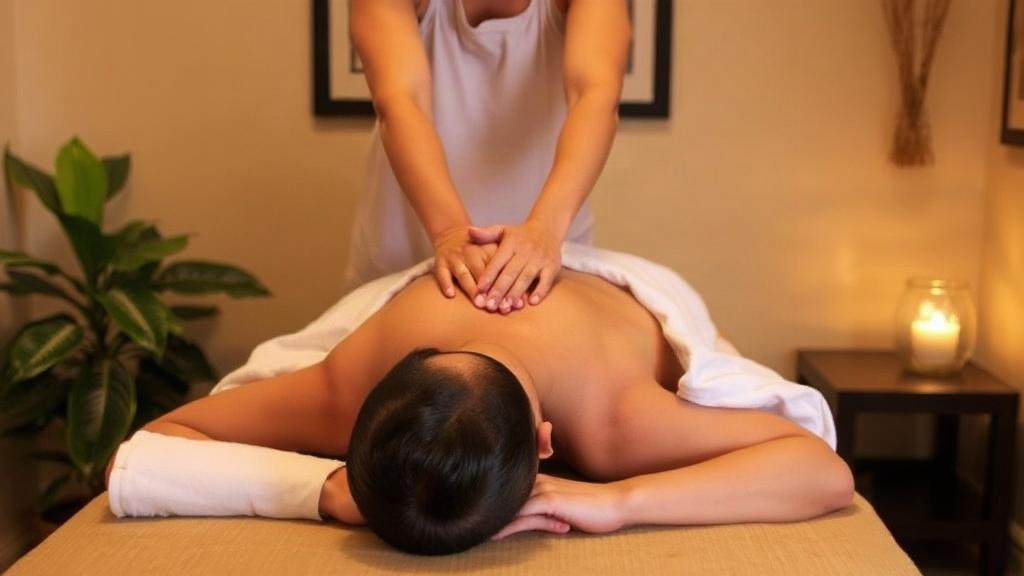
Rather than long, gliding strokes like Swedish massage or isolated, sustained pressure like deep tissue, Thai massage is a dynamic blend of passive stretching and rhythmic compression. Its assisted movement component is the defining feature.
Acupressure is often incorporated, but the intent differs from Chinese acupuncture. Thai therapy emphasizes stretching along entire limbs and through joints, creating long-lever changes in muscle tension and fascial patterns.
Clients who want both relaxation and an active, mobilizing experience often prefer this approach. It can be gentle or deeply intense depending on the therapist’s pressure and the client’s needs.
| Technique | Main focus | Typical client goal |
|---|---|---|
| Thai massage | Passive stretching, rhythmic compression | Increase mobility, release tension, balance energy |
| Swedish massage | Long strokes, kneading for relaxation | Relaxation, improve circulation, stress relief |
| Deep tissue | Targeted pressure on deep muscles and fascia | Reduce chronic muscle tension and adhesions |
Choosing the right uptown studio
Not all places that offer Thai-style sessions have the same training standards or atmosphere, so research matters. Look for studios that clearly list therapist qualifications, session descriptions, and cancellation policies on their websites.
Location, hours, and ease of booking matter in a busy uptown life. Many people prefer a studio within walking distance of their office for midday sessions or close to subway lines for easy access.
Read recent reviews, but read them carefully; people often describe different expectations. A glowing review for a deep, intense approach might signal that a studio favors strong pressure, while consistent mentions of gentle stretching indicate a calmer style.
Questions to ask before booking
Ask whether the studio uses a mat or table for Thai work, how therapists are trained, and whether sessions can be customized. These points directly affect your comfort and the therapeutic focus.
Inquire about therapist continuity — will you see the same person every visit — and what the cancellation policy looks like. Continuity matters because a therapist who knows your history will tailor sessions better over time.
Finally, ask about sanitation and COVID-related protocols if those are still a concern for you. A professional studio will have clear answers and be willing to accommodate health needs.
Etiquette, clothing, and practical expectations
Thai-style bodywork is typically done through clothing, so wear loose, breathable garments to your appointment. Many uptown studios offer cotton or rayon sets to change into if you arrive in work attire or jeans.
Arrive a few minutes early to complete intake forms and settle in; rushing through the start of a session reduces its effectiveness. If you need a quieter environment or have sensitivity to scents, mention it at booking.
Use your voice during the session: tell the therapist if a stretch feels too intense, or if pressure should increase. Practitioners expect feedback and will adjust to keep you safe and comfortable.
- Wear loose clothing or use studio-provided attire.
- Communicate openly about pain, pregnancy, or injuries.
- Turn off your phone or set it to silent.
- Tip appropriately if local custom supports it; check studio policy.
Typical pricing and packages uptown
Prices vary widely based on neighborhood, therapist experience, and studio reputation. Uptown rates tend to be higher than suburban areas due to rent and demand, but options exist at multiple price points.
Many studios offer single sessions, packages of five or ten, and membership plans that lower per-visit cost. Packages benefit regular clients and allow deeper therapeutic progress over months.
It’s reasonable to ask about promotional and corporate rates if your workplace supports wellness benefits. Some uptown offices partner with studios for discounted employee sessions.
| Service | Typical range (uptown) |
|---|---|
| 60-minute Thai-style session | $80–$140 |
| 90-minute session | $120–$200 |
| Package (5 sessions) | $350–$800 |
Safety, contraindications, and when to seek medical advice
Thai massage involves active movement and pressure, so it’s not appropriate for everyone. People with recent fractures, active infections, uncontrolled high blood pressure, or certain heart conditions should avoid it or seek physician clearance first.
If you’re pregnant, inform your therapist; many techniques are modified or avoided in later trimesters. Trained prenatal therapists will adapt stretches to keep both mother and fetus safe.
Listen to your body during and after a session. Mild soreness or fatigue can be normal, but sharp pain, prolonged bruising, or dizziness are signs to stop the treatment and consult a healthcare professional.
Training, licensing, and how to evaluate a therapist
Training programs for Thai massage vary in length and depth. Look for therapists who’ve completed comprehensive courses from recognized schools, ideally with continuing education in anatomy and safety.
Licensing requirements differ by state and city. In many places, massage therapists must hold a state license to practice; some studios employ licensed therapists and list credentials online. Ask for a therapist’s qualifications if you’re unsure.
Good indicators of quality include a clear intake process, the ability to explain techniques in plain language, and a willingness to modify work based on your feedback and medical history.
A first-person visit: what happened when I tried an uptown session
I remember my first uptown Thai session as a surprising blend of effort and ease. The therapist greeted me, asked a few targeted questions, and offered a simple set of cotton clothing to change into.
The initial stretches felt strange — gentle resistance in places I hadn’t noticed were tight — and by the middle of the hour the rhythm of compression and release had a meditative quality. I left with looser hips and a slower breathing pattern that lasted hours.
Over several visits, I noticed cumulative gains: less tension after long flights, fewer headaches, and more efficient recovery from workouts. Those practical changes convinced me to make Thai work part of my self-care rotation.
Real-life examples: who benefits most
Runners and cyclists often find Thai techniques useful for opening hips and hamstrings that become chronically tight with repetitive motion. The assisted stretches address length rather than only soft-tissue tightness.
Office workers complain of tight shoulders and stiff necks, and therapists commonly report success with sequences that decompress the upper back and realign posture. Simple shoulder rolls and chest-openers during a session can make sitting at a desk more comfortable.
Older adults with mild joint limitations sometimes experience improved mobility after regular sessions, though intensity and technique must be adapted to avoid overstretching fragile tissues.
DIY Thai-inspired stretches to try safely at home
Practicing gentle versions of Thai stretches can extend the benefits between sessions. Always warm up first with light movement or a short walk to increase blood flow before attempting deeper stretches.
Focus on slow, controlled motion and don’t force any position. Feel for a steady sensation of stretch without sharp pain, and breathe into the areas of tension to encourage relaxation.
- Seated spinal twist: Sit cross-legged or on a chair, inhale to lengthen, exhale to twist gently to one side, supporting with your hand behind you. Hold 20–30 seconds and repeat.
- Passive hamstring stretch: Lie on your back and loop a towel over the foot of one leg. Keeping the knee soft, lift and extend the leg until you feel a stretch in the back of the thigh. Hold 30 seconds.
- Modified chest opener: Stand in a doorway, place palms on the frame slightly above hip height, and step forward until you feel the chest and shoulder stretch. Hold 20–30 seconds.
- Partner-assisted calf release: Sit with legs extended and have a partner apply gentle compression along the calf with their palms, moving from ankle to knee. Communicate pressure levels clearly.
Pairing Thai massage with other wellness practices
Complementary treatments enhance the effects of Thai work. Regular mobility-focused exercise like yoga or Pilates amplifies gains in range of motion and helps you keep the improvements between sessions.
Hydration and light walking after a session aid recovery by flushing metabolic byproducts released during deep work. Some clients enjoy a contrast therapy approach — a hot soak and then a brisk walk — to extend relaxation.
For mental wellness, incorporating breathwork or mindfulness after a session can lock in the calm you’ve created physically. A short five-minute seated meditation immediately afterward can transform physical release into mental clarity.
What to expect after a session: immediate and longer-term effects
Immediately following a session you may feel relaxed, slightly tired, and pleasantly loose. It’s common to experience a temporary change in perception of stiffness as muscles re-learn new length and tension patterns.
Some people feel energized and calm; others prefer to rest and drink water. Both reactions are normal, so follow your instincts and give yourself a gentle schedule for the remainder of the day.
With regular sessions, clients typically report fewer headaches, steadier sleep patterns, and improved athletic performance. These changes take time and benefit from consistent practice and good daily movement habits.
Common myths and misconceptions
One myth is that Thai massage is always brutal and painful; in reality, practitioners tailor intensity to individual tolerance, and many sessions are gentle and restorative. Pain is not a necessary component of effective work.
Another misconception is that Thai massage replaces medical care. While it supports many conditions, it should complement, not replace, appropriate medical treatment for serious or chronic illnesses.
Finally, some people think it’s only for flexible or athletic bodies. Practitioners can modify techniques for a wide range of abilities, making the work accessible even to those who feel stiff or limited.
How to get the most from your sessions
Be consistent — benefits compound over time. One-off sessions can feel lovely, but a series provides the chance for the therapist to observe patterns and create more effective treatment plans.
Keep a short post-session journal noting range-of-motion changes, pain levels, and sleep quality. These details help you and your therapist refine future sessions and measure what’s working.
Finally, invest in daily micro-movements: five minutes of mobility work in the morning and short breaks during the day will reinforce the gains made during the session.
Uptown considerations: timing, traffic, and scheduling tips
Uptown neighborhoods have their own rhythm: rush hours, theater nights, and busy brunch windows. Book with travel time in mind so you arrive calm rather than hurried.
If you plan a session after work, allow a buffer for changing and a slow return to the evening — jumping straight into a noisy commute can undo some relaxation. Midday sessions often provide a welcome reset between meetings.
Many studios offer online scheduling and waitlists, which can help you snag last-minute openings when your day shifts unexpectedly. Sign up for newsletters from your preferred studios to catch new hours and special events.
When to try an extended session or combined treatments
Choose a 90-minute or longer session if you have multiple tight areas or want deeper progression through stretches. Longer sessions allow more time to transition gently between regions without rushing.
Combo treatments, like a Thai session followed by aromatherapy or a foot reflexology add-on, can be restorative. Discuss sequencing with the therapist to ensure the modalities complement each other.
For athletic recovery after intense events, a targeted session focused on legs and hips with mobility follow-up is often more effective than a generalized full-body approach.
How therapists measure progress and set goals
Skilled therapists use range-of-motion tests, verbal feedback, and functional milestones rather than relying on subjective adjectives alone. They might ask whether reaching a shelf or tying shoes feels easier after a series of sessions.
Good practitioners set realistic timelines: flexibility improves gradually, and chronic postural patterns can take months to change. They’ll suggest a plan with suggested frequency and at-home exercises to accelerate gains.
Transparent goal-setting ensures sessions remain focused and prevents drifting into purely pleasurable but less therapeutic work unless that’s your preference for a given visit.
How to handle discomfort during a session
If a stretch or pressure causes sharp pain or numbness, speak up immediately. A therapist’s response should be to pause, reassess, and modify the technique to a safer level.
Use simple phrases like “less pressure” or “that stretch is too intense” so your therapist can react quickly. Most professionals appreciate direct communication and will thank you for it.
If issues persist after a session, document symptoms and, if necessary, consult a medical provider. A good studio will support you through follow-up recommendations and coordinate care if appropriate.
Where experience and culture meet: the therapist-client relationship
The best work happens in a relationship built on trust, clarity, and mutual respect. A therapist who listens and explains will empower you to make informed decisions about intensity and frequency.
Culture matters, too: practitioners trained in Thailand may bring different sequencing and rhythms than those trained locally, and both paths can be excellent. Ask about a therapist’s lineage if that nuance appeals to you.
Over time, recurring clients often develop a shorthand with their therapist that allows deeper, more efficient sessions tailored to evolving needs.
Resources for learning more and continuing education
Books on traditional Thai massage, workshops led by experienced instructors, and anatomy courses are great ways to deepen your understanding. Many studios offer weekend intensives for clients and practitioners alike.
Online resources can supplement hands-on learning but don’t replace in-person instruction, especially for a tactile discipline that depends on palpation and pressure. Look for schools with strong reputations and clear curricula.
Continuing education ensures therapists stay current with safety standards and new techniques, so ask how your therapist continues their professional development if that’s important to you.
Final practical checklist before you book
Confirm the session length and whether the studio uses a mat or table. Check therapist credentials and read several recent reviews to get a balanced picture.
Plan what you’ll wear and allow time to arrive early. Note any medical conditions and be ready to share them during the intake.
Decide how you’ll travel home and whether you’ll need a quiet recovery period afterward. Small preparations make the experience smoother and more beneficial.
Thai massage in an uptown setting can be a transformative addition to urban life, combining hands-on therapy with mindful movement and practical outcomes. Whether you’re seeking relief from desk-related stiffness, athletic recovery, or a regular maintenance practice, a well-trained therapist and a thoughtful studio will make the difference. Try a session with clear communication and modest expectations, and build from there as you discover what this modality offers for your body and daily routine.
Comments are closed.