
Find calm: your guide to Thai massage downtown

If you’re drawn to deep stretches, rhythmic pressure, and a style of bodywork that blends movement with breath, a downtown Thai massage could be the reset you’ve been missing. In busy urban neighborhoods, these studios offer more than a quick rubdown; they promise space to slow, realign, and recharge without leaving the city grid. This guide walks through what Thai massage is, how a downtown session typically unfolds, how to choose the right therapist, safety considerations, and practical tips for making the most of your visit.
What is Thai massage and how does it feel?
Thai massage traces its roots to India and Thailand and is often described as assisted yoga. Unlike many Western styles that focus primarily on kneading and oil, Thai work uses a combination of compressions, stretching, and rhythmic palm and thumb pressures along energy lines. The experience is active; the therapist moves you into positions, holds stretches, and applies pressure that can be both calming and powerfully restorative.
People report a range of sensations during a session: some passages are deeply relaxing, like a slow unwind of tight muscles, while others can be intense as the body opens. It’s not uncommon to feel simultaneously stretched, soothed, and awakened. Because the technique employs joint mobilization and full-body movement, many clients leave with improved flexibility and a sense of lightness in their posture.
The work is typically performed on a mat on the floor while you wear loose, comfortable clothing. This setup lets therapists use their whole body weight to apply techniques and to guide your limbs through extended ranges of motion. Some urban spas offer table-based adaptations, but the traditional mat format is what most practitioners prefer for authentic Thai sequences.
Quick history and the philosophy behind the practice
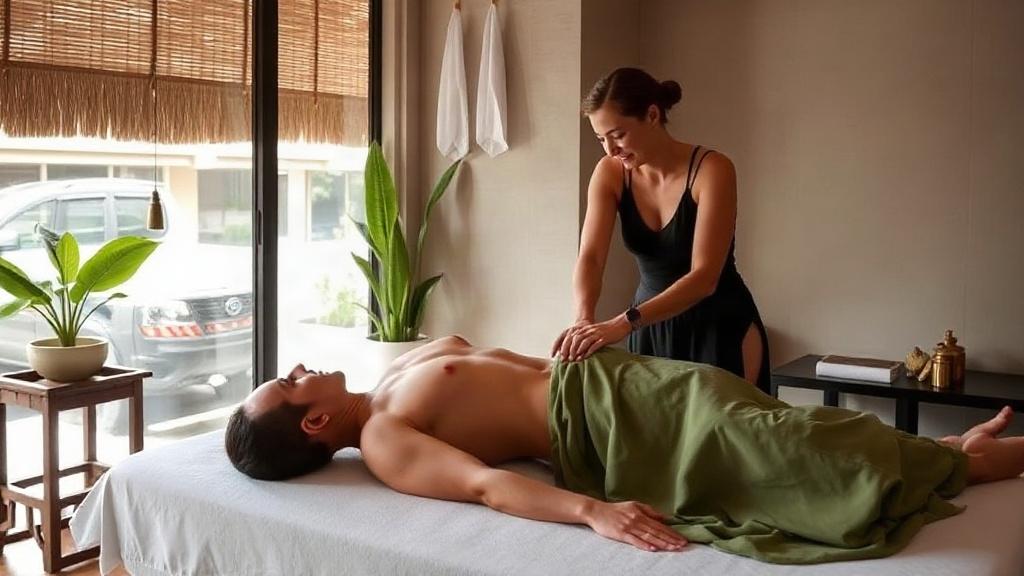
Traditional Thai massage, or nuad boran, has a lineage that mixes ancient medical systems, Buddhist monastic practices, and folk healing. It evolved as a therapeutic discipline connected to lifestyle, breath work, and the idea of energy lines—called sen. Practitioners aim to clear stagnation along these channels to promote circulation and ease.
The philosophy emphasizes balance: not only the balance of muscles and joints, but also the alignment of breath, movement, and intention. Sessions are often seen as a form of moving meditation for both client and therapist. In modern urban settings, that meditative quality is a key reason people seek Thai work amid downtown noise and pace.
Over the decades, the art has adapted to urban life. Some studios combine Thai techniques with Western principles like myofascial release, sports massage, or craniosacral approaches to serve varied client needs. But the core remains focused on engagement through movement, rather than only passive, supine massage.
How Thai massage downtown differs from spa treatments
When you walk into a downtown spa, you may expect a dim room, oil, and a face cradle. A traditional Thai session changes that script: it’s more athletic, collaborative, and often performed on a mat with clothing on. The downtown setting adds another contrast—studios tend to be compact, energetic spaces near transit and offices, designed for accessibility and frequent visits.
Many city clients book Thai massage as a targeted therapy between work commitments or as part of a weekly routine. In contrast, classic spa packages usually emphasize relaxation rituals like aromatherapy and hot stones. If your goal is mobility, relief from chronic tightness, or an intense full-body reset, Thai-style work downtown may serve you better than a typical buoyant spa treatment.
That said, crossovers exist. Urban studios often hybridize offerings: “Thai fusion” sessions with essential oils, or slow, restorative Thai that leans toward spa tranquility. Read descriptions carefully and ask about the therapist’s approach to ensure the session matches your expectations.
What to expect during a downtown session
Arrive slightly early at a downtown studio; many operate on tight schedules and street-level foot traffic. You’ll typically complete a short intake form covering your health history and current concerns. This step helps therapists tailor stretches and contraindications—especially important if you have high blood pressure, recent surgeries, or pregnancy.
Wear loose, breathable clothes you can move in. Cotton or athletic wear works well. The therapist will guide you through a series of movements—rocking, compressions, and passive stretches—often synchronized with deep breathing. Sessions move through the back, legs, hips, shoulders, and neck, and may include gentle traction and assisted yoga-style poses.
Communication is essential. Downtown therapists usually expect verbal feedback about pressure levels and comfort. Because the work can reach into sore or tight areas, saying “softer” or “more pressure” helps them calibrate. Expect to be alert to your own sensations; Thai massage is collaborative, not an entirely passive experience.
Choosing a downtown studio: what to look for
Location and convenience matter, but they shouldn’t be the only criteria. Look for studios with clear licensing, transparent pricing, and therapists who list training and years of experience. Many reputable downtown spaces display credentials and continuing education information. This helps ensure you’re getting skilled hands, not a casual on-the-job learning session.
Read client reviews for patterns: positive notes about consistent, tailored sessions and therapists’ ability to manage pain and flexibility are good signs. Conversely, generic praise without substance or repeated complaints about hygiene or rudeness should raise red flags. A reputable studio will respond to reviews professionally and answer questions directly.
Visit or call if you can. A brief conversation about the therapist’s background, their approach to injuries, and what to expect shows whether they communicate clearly. Downtown studios often have a community vibe; a quick tour can tell you a lot about cleanliness, amenities, and whether the space feels welcoming and calm amid the bustle.
Types of Thai massage you’ll find in the city
Downtown studios offer variety. Traditional Thai focuses on mat work and stretching sequences. Then there’s Thai oil massage, which blends Western oil techniques with Thai stretches. Thai reflexology zeroes in on the feet to influence the rest of the body, and Thai sports massage targets athletes with more vigorous mobilization.
Hybrid forms are common in urban centers. Look for descriptors like “Thai deep stretch,” “Thai yoga,” or “Thai therapeutic.” Each label hints at emphasis: restorative pace, mobility work, or injury-focused therapy. Knowing the distinction helps you book the session that matches your goals—whether unwinding after a long commute or addressing chronic neck tension from desk work.
Some therapists specialize in prenatal Thai work adapted for pregnant clients, offering gentle stretches and positioning. If you’re pregnant, always disclose this in your intake and confirm that the therapist is experienced in prenatal techniques to ensure safety and comfort.
Pricing, session lengths, and what’s typical downtown
Downtown pricing varies widely depending on neighborhood, studio reputation, and therapist expertise. Common session lengths include 30, 60, 90, and 120 minutes. Shorter sessions work for targeted relief—like neck and shoulders—while longer appointments let the therapist work through the whole body at a measured pace.
Below is a simple table to illustrate typical session lengths and approximate price ranges you might see in urban centers. These are ballpark figures; local rates can differ.
| Session length | Typical price range (USD) |
|---|---|
| 30 minutes | $40–$70 |
| 60 minutes | $70–$130 |
| 90 minutes | $110–$190 |
| 120 minutes | $160–$260 |
Many downtown studios offer package discounts or memberships for regular clients. If you plan monthly visits, ask about prepaid plans or loyalty rates—these can significantly reduce the per-session cost and encourage a consistent practice that improves outcomes over time.
Hygiene, environment, and what the downtown studio should feel like
Even in bustling neighborhoods, studios should feel clean, calm, and organized. Floors and mats must be tidy, linens fresh, and supplies stored neatly. A busy downtown location is no excuse for clutter or poor sanitation. If a space looks neglected on arrival, consider leaving; therapist competence often goes hand in hand with attention to the environment.
Lighting and sound set the tone. Some clients prefer soft music and dim lighting while others like a brighter, open studio. Many urban practitioners balance noise with insulation, using soft furnishings and sound machines to create a cocoon amidst traffic sounds. If you’re noise-sensitive, ask whether the studio offers quieter rooms or white-noise options.
Temperature matters too. Because Thai massage involves exposed skin and stretches, studios should maintain a comfortable warmth that keeps muscles receptive. If you tend to get cold, request extra blankets or a slightly higher room temperature when booking your appointment.
What to wear and how to prepare
Wear comfortable, loose clothing you can move in. Many downtown studios provide lightweight sets if you don’t have anything suitable, but bringing your own ensures the fabric and fit feel right on your skin. Avoid tight jeans, stiff fabrics, or jewelry that might get in the way during stretches.
Eat lightly before a session. A heavy meal can make deep stretching uncomfortable, while an empty stomach can leave you dizzy. A small snack an hour or two beforehand usually works well. Hydrate before and after—Thai work increases circulation and a glass of water supports recovery.
Plan to arrive a few minutes early to fill out intake forms and discuss goals. If you’re on a tight downtown schedule, mention that when you book; therapists can often tailor sessions to focus on priority areas if time is limited.
Health considerations and contraindications
Certain health conditions require caution or avoidance of Thai massage. Recent surgeries, fractures, serious cardiovascular issues, deep vein thrombosis, uncontrolled hypertension, and severe osteoporosis are examples where vigorous stretches and compressions can be risky. Always disclose medical conditions on intake forms and consult a physician if unsure.
Pregnancy requires adaptations—in particular, avoiding prone positioning and intense abdominal work. Many skilled downtown therapists offer prenatal Thai modifications, but always confirm their experience and training in prenatal care. If you take blood thinners or have clotting disorders, some pressure techniques should be avoided or modified.
Open wounds, contagious skin conditions, and acute infections are other reasons to postpone sessions. Good therapists will screen for these conditions and suggest alternatives like gentle assisted movement or postponement until you’re cleared for bodywork.
How to communicate with your therapist
Clear, specific feedback makes a session more effective. Instead of saying “that’s fine” or “it’s okay,” try phrases like “a little more pressure,” “please ease up on the left hip,” or “that stretch feels sharp; can we back off?” These specifics help the therapist fine-tune work to your needs. Downtown practitioners appreciate directness and typically expect it.
Discuss pain thresholds beforehand. Some clients want intense release, while others prefer a softer approach. A quick pre-session chat about your goals—relief from neck pain, better hip mobility, or deep relaxation—helps your therapist design the flow. If at any point discomfort becomes sharp or radiating, stop and tell your therapist immediately.
Aftercare instructions are part of the conversation. Good therapists will recommend stretches or hydration and may suggest an ideal follow-up schedule. If you leave without clear post-session guidance, ask for suggestions tailored to your body and lifestyle.
Real-life downtown experiences: what I learned
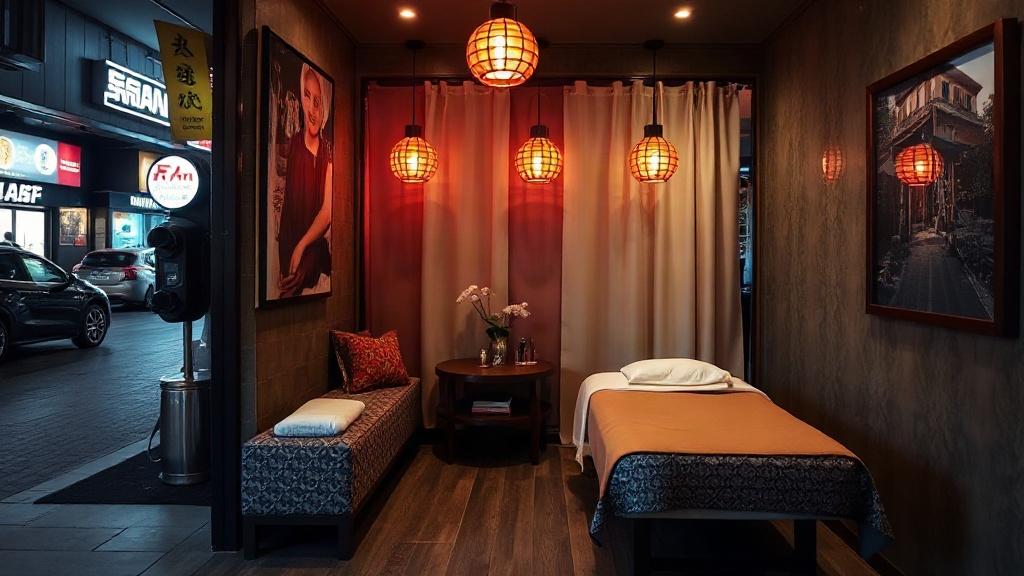
I started exploring Thai massage downtown after a year of long commutes and a persistent knot between my shoulder blades. My first session felt surprising—sharp at moments, but liberating as the therapist guided my arm behind my head and slowly extended my spine. The immediate release was subtle but noticeable: my posture felt less collapsed, and driving home was easier on my neck.
On another occasion, a 90-minute session helped after a weekend of hiking left my hips stubbornly tight. The therapist used rhythmic compressions along my glutes and slow hip rotations; the stretches felt like someone recalibrating a misaligned hinge. Over the next two days I noticed better stride length and less stiffness when climbing stairs.
These downtown sessions taught me the value of regular maintenance. A single massage can give a temporary reset, but when I committed to monthly visits, I experienced more sustained flexibility and fewer flare-ups. The proximity of the studios to work and transit made consistency realistic rather than aspirational, and that accessibility turned occasional relief into genuine, cumulative improvement.
Tips for first-timers visiting a downtown studio
Book a 60-minute session for your first visit. It gives the therapist time to assess and work through problem areas without overwhelming you. If you need a shorter targeted session, a 30-minute focused appointment on neck and shoulders is a good alternative.
Arrive hydrated and in flexible clothing. Allow a buffer for settling in so you’re not rushing. If downtown traffic can be unpredictable, build extra time into your schedule to avoid stress before your session.
Communicate expectations in advance. If you want relaxation rather than an intense therapeutic approach, say so. Conversely, if you’re seeking strong pressure and working on chronic tension, let the studio know so they can match you with a therapist who specializes in deeper Thai techniques.
Common misconceptions about Thai massage
One misconception is that Thai massage is only for flexible people. In truth, therapists adapt stretches to your range of motion and use supportive techniques to gradually increase mobility. Beginners often find that the work helps them become more flexible over time, rather than requiring pre-existing limberness.
Another myth is that the mat format is less professional than a table. The mat allows unique leverage and full-body movement that a table can’t replicate. Many highly trained therapists prefer the mat for complex sequences and deeper assisted stretching.
Some people fear that the work will always be painful. While certain stretches can be intense, skilled therapists aim for productive discomfort rather than pain, and they constantly check in. Trust in communication is what differentiates a therapeutic stretch from an unsafe manipulation.
Red flags to watch for in downtown studios
Poor hygiene is a straightforward warning sign. Worn linens, unclean floors, and messy common areas suggest lax standards that can translate to poor client care. Trust your instincts; a clean studio usually reflects professional practice.
Pushy upsells or unprofessional behavior from staff are other red flags. A studio that pressures clients into expensive packages or adds services without consent prioritizes profit over care. Reputable downtown businesses present options clearly and let clients choose what fits them.
Therapists who dismiss your concerns or ignore feedback about pain deserve caution. A good practitioner listens, adjusts, and explains their rationale. If you feel unheard, it’s reasonable to find another provider who respects your boundaries and communicates openly.
Integrating Thai massage into a busy downtown lifestyle
One advantage of urban studios is convenience. Many downtown locations offer early morning, late evening, or lunchtime appointments to fit irregular schedules. Consider short, frequent sessions instead of rare long ones; regular 30–60 minute visits can maintain mobility and reduce the buildup of tension caused by repetitive desk work or commuting.
Pair sessions with other healthy habits: a quick stretch routine at your desk, targeted strengthening, or mindful breathing practice. Thai massage can amplify the benefits of these habits by releasing restrictions that limit range of motion, making your at-home efforts more effective.
Use massage days as deliberate mini-retreats. Block off time for the session, a slow walk afterwards, and hydration. Downtown rhythms encourage rush and productivity; treating your massage as an essential appointment helps you prioritize self-care amid competing demands.
Simple Thai-inspired stretches you can try between sessions
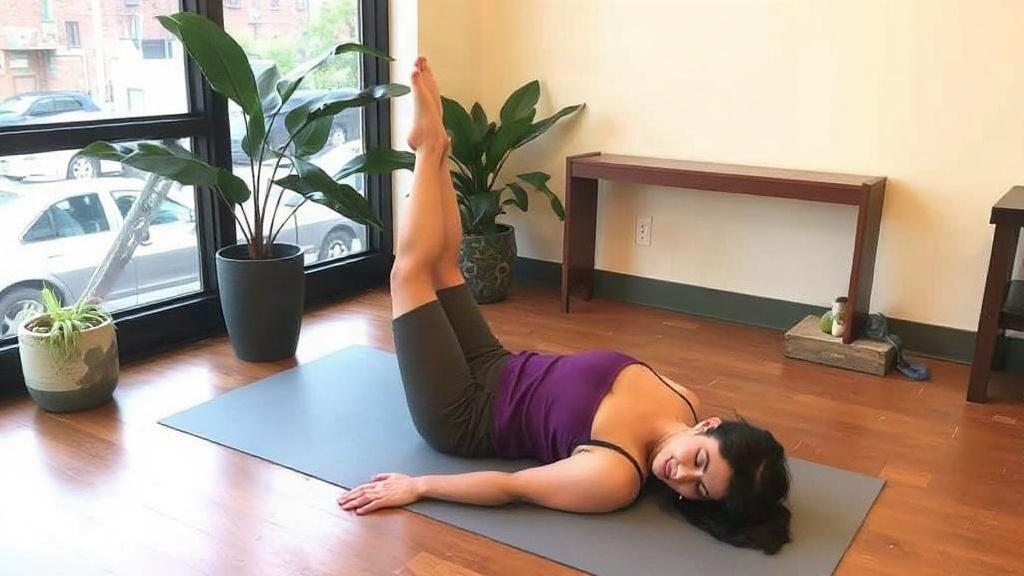
While nothing replaces trained hands, you can borrow a few gentle movements to ease tension between visits. Try a reclining hamstring stretch: lie on your back, loop a strap around one foot, and slowly draw the leg toward you while keeping the other knee bent. Hold and breathe for 30–60 seconds, then switch sides.
Seated spinal twists can mirror the rotational work therapists apply. Sit tall with feet planted, place your right hand on your left knee, and gently twist your torso to the left while keeping both sit bones grounded. Breathe into the twist for five slow breaths and repeat on the other side.
Hip openers help counteract sitting. From a standing position, cross one ankle over the opposite knee and sit back slightly into a shallow chair pose, feeling a stretch in the external rotators. Use support if needed and keep movements slow and controlled.
Combining Thai massage with other downtown wellness options
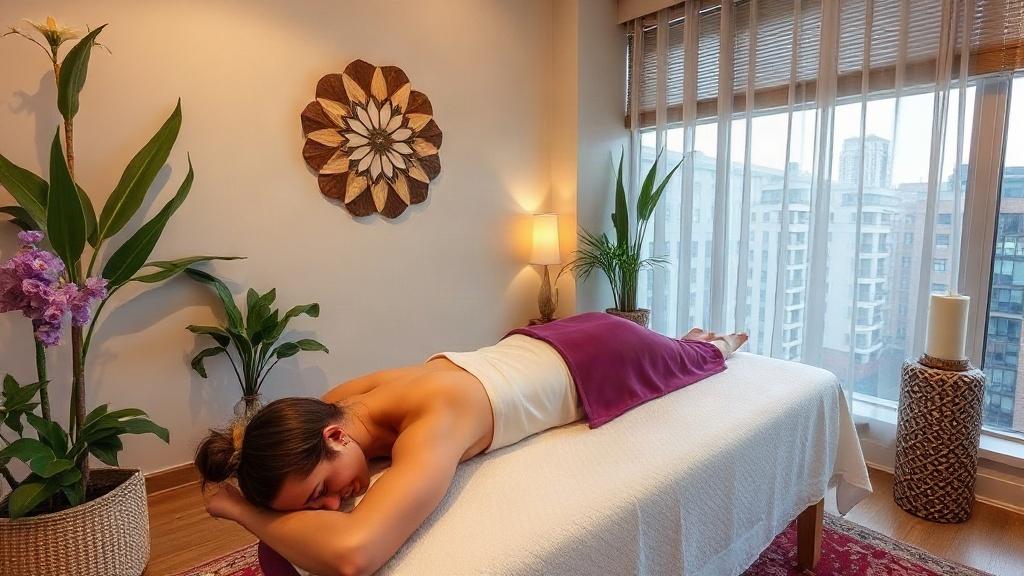
Downtown wellness ecosystems thrive on synergy. Consider pairing a Thai session with acupuncture, a short physical therapy consult, or a restorative yoga class for complementary benefits. Therapists often work with other practitioners and can recommend a combination that targets your needs holistically.
Some studios partner with nutritionists or offer integrative packages that include massage and lifestyle coaching. If you’re addressing chronic pain or mobility issues, coordinated care can create a more consistent path to improvement than standalone treatments.
Use the walk between appointments as part of the therapy. A gentle stroll in a nearby park or along a tree-lined avenue helps integrate the session’s effects and supports circulation. Downtown routes near studios can be surprisingly restorative if you plan them into your day.
Finding qualified therapists in a city center
Look for credentials such as Thai massage certification, continuing education in orthopedic or remedial techniques, and membership in professional bodies. Many experienced therapists train in Thailand or under Thai masters; these backgrounds often appear in bios or studio pages. Verify that the therapist’s training matches the depth of work you want.
Referrals from healthcare professionals—especially chiropractors, physical therapists, or sports medicine doctors—can point you toward reliable downtown practitioners. Word-of-mouth from coworkers or neighborhood communities is also useful when studios are clustered around business districts and local residents share recommendations.
Trial sessions help determine fit. Book a single appointment before committing to packages and observe whether the therapist listens, adjusts, and explains techniques. Chemistry between client and therapist matters; comfort and trust are essential for effective Thai work.
Frequently asked questions people ask downtown
How often should I get Thai massage? Frequency depends on goals and budget. For chronic issues, weekly sessions for a period can yield significant improvements. For maintenance, once a month often suffices. Your therapist can recommend a personalized schedule based on how your body responds.
Will I be sore after a session? Some mild soreness or achiness for a day is normal, especially after deep stretches. Hydration, rest, and a warm shower can alleviate discomfort. If severe pain or persistent symptoms appear, contact your therapist or a medical professional.
Can I combine Thai massage with other treatments the same day? In most cases, yes, but coordinate with providers. For example, follow a deep Thai session with gentle recovery activities rather than intense workouts. Your therapist can advise on timing if you plan additional therapies.
Final thoughts on making Thai massage part of your downtown routine
Thai massage downtown offers a distinctive path to mobility and calm among the city’s fast pace. Its blend of assisted stretches, rhythmic pressure, and breath awareness can reduce chronic tension, improve range of motion, and create a moment of slow, intentional care. The downtown advantage is accessibility—practices are often within walking distance of work and transit, which makes consistency achievable.
Choose a studio that demonstrates cleanliness, clear communication, and therapist qualifications. Be honest about health concerns, attend with flexible clothing, and give yourself a few minutes after the session to re-enter the bustle rather than sprinting back to a packed schedule. Over time, regular visits can shift the baseline of how your body carries stress and how resilient you feel day to day.
I still book sessions near my office when deadlines pile up. The combination of guided movement and focused breathing consistently resets my shoulders and helps me sit taller at my desk. If you’re curious, start with a 60-minute appointment and let the therapist lead you through the sequence. You might find that a little downtown Thai becomes an essential part of how you take care of yourself in the city rhythm.
Comments are closed.