
Where the city exhales: finding the right massage downtown

Downtown is a place of compressed energy—steel and glass, deadlines and crosswalks—so finding a quiet pocket for a proper massage can feel like discovering an urban secret. Whether you live a few blocks away or you’re squeezing a session between meetings, the right treatment can turn rush-hour tension into manageable calm and keep your body working well in a busy environment.
Why get a massage in the heart of the city?
There’s a practical logic to choosing a spa close to your office or apartment: fewer logistics, less time lost to travel, and a lower barrier to making massage part of a routine. A 60-minute appointment that doesn’t require a long commute is easier to schedule around work calls and childcare than one across town.
Beyond convenience, urban locations often offer extended hours, express services, and therapist teams that specialize in quick, effective relief for common city complaints—stiff necks, tense shoulders, and lower-back strain from long commutes or desk work. That specificity can transform a treatment from nice to necessary.
There’s also a psychological benefit: stepping into a calm studio in the middle of a hectic day creates a contrast that makes the relaxation feel deeper. The transition from street noise to soft music and dim lighting is a small ritual that signals your body to let go.
Types of treatments you’ll commonly find
Downtown spas tend to offer both classic modalities and time-efficient versions designed for busy clients. Understanding what each treatment does helps you pick the right session and ask smart questions when booking.
Below are the most common options and what they’re best for, with practical notes on who should consider each modality.
Swedish massage
Swedish massage focuses on long, flowing strokes and light-to-moderate pressure to encourage circulation and full-body relaxation. It’s the go-to choice if your goal is stress reduction or your first professional massage experience.
Because it’s adaptable, therapists can adjust pressure to suit sensitive areas. For city workers looking to unwind after a hectic morning, a Swedish session delivered with attention to the neck and shoulders often feels immediately restorative.
Deep tissue massage
Deep tissue targets chronic muscle tension with slower, firmer strokes and focused work on adhesion and knots. It’s effective for long-standing pain from repetitive motion or postural issues that often come with desk jobs.
Expect more discomfort during the treatment than with a Swedish massage, but many people report lasting relief afterward. Communicate clearly about your tolerance; a skilled therapist will modulate pressure and focus on techniques that promote healing without causing damage.
Sports massage
Sports massage blends stretching and targeted pressure to enhance athletic performance and recovery. Downtown studios near running routes or gyms frequently offer pre-event and post-event sessions tailored to runners, cyclists, and crossfitters.
If you use the city as your training ground—stairs for cardio, sidewalks for speedwork—this modality can reduce injury risk and improve range of motion. Therapists often include movement assessments and at-home stretches in the session.
Thai and assisted-stretch modalities
Thai massage and assisted stretching use therapist-guided movements to decompress joints and lengthen muscles. These styles can be especially helpful for people with limited mobility or who want a more active form of therapy.
In a downtown setting, short Thai-style sessions are sometimes offered as express treatments that leave you feeling limber and alert rather than heavy and sleepy—useful if you’re heading back to work.
Shiatsu and acupressure
Shiatsu applies pressure along energy lines with palms, thumbs, and elbows to address tension and improve circulation. It’s a good option for clients who prefer focused, rhythmic pressure over long strokes.
Practitioners often include breathing cues and gentle joint mobilization, which can be soothing for city dwellers who carry their stress in the jaw and upper back.
Reflexology
Reflexology concentrates on the feet, hands, and ears, using pressure points believed to connect to other body systems. Many urban professionals choose a foot-focused session as a brief but effective reset between meetings.
A 30-minute reflexology treatment can be surprisingly restorative, especially after long days on pavement or uncomfortable shoes. It also pairs well with quieter downtown moments—late afternoons or early evenings.
Chair massage and express treatments
Chair massage is a no-lying-down option that targets the neck, shoulders, and upper back while you remain fully clothed. Many downtown venues and pop-up events use chairs for quick, high-impact sessions.
Because they’re short and mobile, chair massages are ideal for corporate wellness events, trade shows, and lunch-break relief. Even a ten-minute session can change posture and reduce tension enough to improve productivity for the afternoon.
Hot stone and spa enhancements
Hot stone massage incorporates warmed stones to soothe muscles and deepen relaxation. Spas downtown often offer stones, aromatherapy, and other upgrades for clients who want a more indulgent experience.
While the extras can be luxurious, they should complement—rather than replace—evidence-based techniques. Ask how enhancements will alter pressure and session structure before adding them.
Prenatal massage
Prenatal massage is tailored to the needs of pregnant clients, addressing pelvic and lower-back discomfort with special positioning and cushioning. Many urban therapists hold certifications specifically for prenatal care.
Pregnancy requires adjustments to technique and contraindications awareness, so look for practitioners with relevant training. A downtown location can be convenient for regular prenatal sessions as appointments increase late in pregnancy.
How to pick the right spa or therapist
Choosing a place downtown means balancing accessibility with quality. Use a few quick checks to separate competent studios from those you’ll regret booking with.
Start with credentials, then layer in reviews, atmosphere, and clear communication. Personal recommendations remain one of the best predictors of a good experience.
Licensing and certifications
Every practitioner should hold an appropriate license for their state or locality; this ensures minimum standards for training and hygiene. Specialty certifications—pregnancy, sports, medical massage—are helpful indicators of focused expertise.
If you can’t find licensing information on a website, ask when you call. Reputable studios are happy to provide license numbers and describe ongoing education policies for their staff.
Reading reviews and trusting referrals
Online reviews reveal patterns more than isolated complaints. Multiple mentions of therapist names, consistent praise for a particular treatment, or recurring concerns about punctuality can help you decide where to book.
Don’t ignore negative reviews, but weigh them: a single poor comment among dozens of positives is different from several similar complaints. Friends’ recommendations or coworker referrals also cut through algorithmic noise.
Atmosphere and expectations
Do you want a quiet, minimal clinic or a lush spa with robes and tea? Downtown studios span that spectrum, and the vibe matters. If you plan to use massage as stress relief, choose a place whose environment supports relaxation.
Visit in person when you can, or call and ask about music levels, lighting, and appointment flow. How staff answer those questions often predicts how the studio treats clients overall.
Pricing transparency and packages
Look for clear pricing and straightforward packages. Avoid studios that hide fees or add mandatory gratuities without disclosure. Downtown locations may list “introductory” or “first-time” specials—read the fine print to understand session length versus service type.
Memberships can offer real savings if you plan monthly treatments, but make sure cancellation policies and blackout dates are reasonable before committing. The best deals balance flexibility with value.
Accessibility and scheduling
Consider proximity to public transit and parking options. A centrally located studio that’s near your commute or a favorite subway line reduces friction and increases the odds you’ll keep your appointments.
Also check scheduling tools; online booking and reminders save time. Many downtown therapists list same-day availability or late-evening slots—which are lifesavers for people with unpredictable workdays.
What to expect during your visit
Knowing the typical flow of a session reduces anxiety and helps you get more out of the time on the table. Most sessions follow a predictable sequence from arrival to post-treatment guidance.
Below is a standard session outline and tips for smoother interactions with the therapist.
Arrival and intake
When you arrive, you’ll usually complete a brief intake form about health history and current complaints. Be honest—your therapist needs accurate information to choose safe techniques and focus areas.
If you have injuries, recent surgeries, or specific concerns, mention them before the session starts. A good therapist will adapt the treatment and explain any contraindicated moves.
Communication and pressure
Therapists expect you to guide pressure and feedback. A simple “a little more to the right” or “that’s too deep” helps them tailor the session for optimal results. You are in control of your comfort at every moment.
Don’t be afraid to say if a technique is helping or if you want more focus somewhere. Most practitioners appreciate clear input; it makes their work more effective and keeps you safe.
Post-session guidance
After the massage, you might receive water, breathing advice, or recommended stretches. These small steps help consolidate the session’s benefits and reduce soreness afterward.
If the therapist suggests follow-up frequency, ask why and what outcomes to expect. That information helps you decide whether to book another session or try an alternative approach.
Practical tips for a downtown massage visit
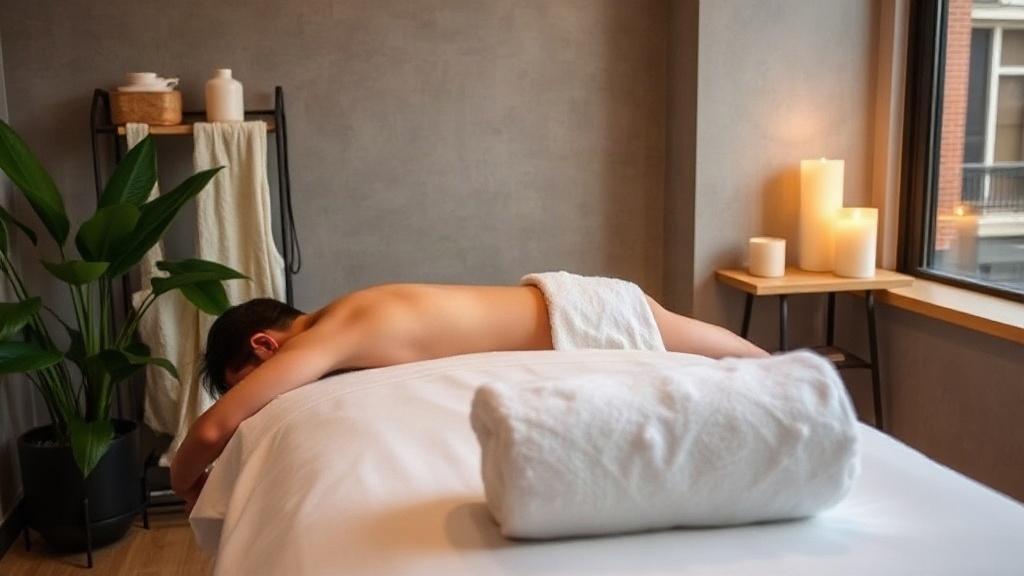
Little preparations make a big difference to how restorative a session feels. Use these practical tips to avoid common frustrations and maximize the payoff of your time on the table.
The suggestions are quick to implement and keep your visits efficient and pleasant.
Arrive 10–15 minutes early to check in and fill out forms without rushing. This also lets you settle into the environment before the massage begins.
Wear comfortable clothing to and from the studio so you don’t undo the session’s effects by squeezing into tight outfits immediately afterward.
Hydrate before and after, especially if you’re getting deeper work. Water helps flush metabolic byproducts and reduces post-treatment soreness.
Disable phone notifications for the duration of your appointment to maintain mental separation from work and let your nervous system relax.
Etiquette and boundaries
Respecting your therapist’s time and space matters. If you need to cancel, give as much notice as possible—most downtown studios require 24 hours for cancellations to avoid a fee.
Also, understand that therapists are professionals, not friends. Keep conversation comfortable and appropriate; if you prefer silence, say so. A good therapist adapts to your social energy.
What to bring and what to leave at home
Bring identification if the spa requires it for first-time clients, and any medical notes that might inform treatment. Leave valuables at home or locked in your car; many studios have limited storage or expect minimal personal items.
If you prefer a particular scent or essential oil, ask in advance—some studios are scent-free or have policies for clients with sensitivities. Transparency prevents awkwardness and keeps the environment safe for everyone.
Booking strategies and timing
When you book can be as important as what you book. Downtown rhythms create predictable windows when therapists are busiest and when deals are available.
Use timing to get reduced rates, same-day appointments, or slots that minimize your commute disruption.
Best times for availability
Late afternoons and early evenings are often the busiest as people stop by after work, while mid-mornings on weekdays typically have more open slots. If your schedule is flexible, ask for midweek, mid-morning appointments for the quietest experience.
Lunch-hour sessions are common in downtown areas; they’re brief and focused, so they work best when you can carve out 45–60 minutes and return to your desk afterward with time to cool down.
Finding off-peak discounts
Many studios offer off-peak pricing for early mornings, weekday afternoons, or between standard appointment windows. These discounts can be significant if you’re willing to book outside prime hours.
Some spas also publish last-minute deals for open slots. Signing up for email lists or text alerts from favored studios can snag those offers before they fill.
Corporate partnerships and memberships
Companies located downtown often partner with local studios for employee wellness, offering subsidized sessions or on-site chair massage. If your employer has a wellness budget, ask HR about available programs.
Memberships at a single studio usually include discounted sessions and priority booking. They make sense if you plan at least one monthly treatment and prefer continuity with the same therapist.
Cost and value: what to expect
Prices vary by city, neighborhood, and level of service. Downtown locations often carry a premium for convenience and centrality, but there are sensible ways to assess value beyond sticker price.
Below is a simple table showing typical price ranges by service type to help with budgeting. These are ballpark figures and will vary by market and studio quality.
| Service | Typical duration | Price range (USD) |
|---|---|---|
| Chair or express massage | 10–30 minutes | $15–$50 |
| Swedish | 30–90 minutes | $60–$160 |
| Deep tissue | 60–90 minutes | $80–$200 |
| Sports or specialty | 60–90 minutes | $80–$220 |
| Hot stone or enhanced spa package | 60–120 minutes | $110–$300 |
Assessing value
Price is one factor among many. A mid-priced therapist who addresses your specific needs consistently provides better value than a cheap session that leaves you unchanged. Look for evidence of ongoing education and client follow-up.
If you’re comparing two studios, evaluate the therapist-to-client ratio, appointment length, and whether the price includes oils, linens, or gratuity. Those inclusions can change the effective value significantly.
Safety, hygiene, and health considerations
Health and safety should never be an afterthought. Good studios prioritize cleanliness, professional boundaries, and clear protocols for medical issues or post-treatment reactions.
Ask about cleaning routines, linen use, and how a therapist would respond to a client who experiences a negative reaction during or after treatment.
Common contraindications
Certain conditions—fever, contagious skin conditions, deep vein thrombosis, or recent surgery—make massage unsafe or require modification. Disclose medical history honestly so the therapist can create a safe plan.
When in doubt, request a brief phone consultation before booking. Responsible therapists will refer you to a physician when necessary rather than risking harm for the sake of a session.
Sanitation and infection control
Linens should be changed between clients, oils stored hygienically, and treatment rooms ventilated. Many downtown studios now use HEPA filters or enhanced ventilation to maintain air quality in compact spaces.
Therapists should wash hands or use sanitizer between clients and ask clients to wash feet or hands if required. These steps are standard practice and worth confirming when you arrive.
Therapist limits and referral networks
Therapists are not diagnosticians unless they hold additional medical credentials. Expect ethical practitioners to refer you to a physician, physical therapist, or specialist when a condition is outside their scope.
A studio with a strong referral network demonstrates professionalism and concern for client outcomes rather than trying to treat every issue themselves.
Integrating massage into a busy city life
Massage becomes most effective when it’s part of a broader self-care system: sleep, movement, nutrition, and small daily rituals that reduce cumulative stress. Downtown access makes regular sessions feasible if you plan them into weekly rhythms.
Think in terms of maintenance and repair. Short, frequent sessions keep small problems from becoming chronic; occasional longer treatments tackle deeper issues as needed.
Personal experience: making time for regular care
I moved to a dense downtown neighborhood and carved out two monthly sessions—one midday “reset” and one longer weekend treatment. The midday sessions were practical: thirty to forty-five minutes of targeted work that immediately improved posture and energy for meetings.
The weekend sessions were more restorative, with time for longer stretches and conversation about specific movement habits. That combination kept minor aches from escalating and made my workdays less reactive and more consistent.
How often should you go?
Frequency depends on your goals. For stress reduction and general wellness, once every two to four weeks is common. For pain management or recovery from injury, weekly or biweekly sessions may be required until progress stabilizes.
Discuss your goals with a therapist and set a realistic plan you can maintain; consistency matters more than intensity when you’re juggling a full urban life.
Massage for different city-dweller profiles
Different lifestyles create different needs. A commuter’s priorities differ from a remote worker’s, and your choice of techniques should reflect that.
Below are common profiles and the approaches that suit them best.
The commuter
Commuters who stand on trains or sit for long rides often develop neck and upper-back tension. Short, targeted sessions—sometimes under 45 minutes—address those hotspots efficiently.
Focus on mobility work and upper trapezius release, and consider post-massage stretches to do in the office to extend benefits.
The remote worker or freelancer
Remote workers often spend long hours at improvised workstations. Deep tissue and posture-focused sessions combined with ergonomics coaching can reduce cumulative strain.
Therapists who integrate movement advice and simple desk stretches provide tools that make massage benefits last beyond the appointment.
The athlete or fitness enthusiast
Urban athletes benefit from sports massage and mobility sessions that match their training cycles. Pre-event treatments can prime muscles; post-event sessions aid recovery.
Therapists who communicate with coaches or understand training periodization provide higher-value services than those who only offer general relaxation techniques.
Parents and caregivers
People juggling childcare and caregiving need brief, effective treatments that fit into tight schedules. Express massages, in-studio childcare options, or mobile therapists that come to your workplace are valuable solutions for busy caregivers.
Look for studios that respect time constraints and provide efficient intake and treatment flow without sacrificing quality.
Combining massage with other downtown activities
A city massage pairs naturally with errands, cultural events, or indulgent micro-retreats. Thinking in terms of blocks and sequences helps you design restorative days rather than isolated treatments.
Below are pairing ideas that respect time and deepen the overall experience.
After a lunchtime session, plan a gentle walk or light meeting rather than jumping back into intense physical activity.
Combine a longer weekend massage with a nearby brunch and a quiet museum visit to extend the calm into the afternoon.
Book back-to-back services—massage plus a facial or sauna—if you want a full mini-retreat; just ensure you have time to rehydrate afterward.
Communicating with your therapist: what to say and why it matters
Good communication optimizes outcomes. Therapists work collaboratively with clients, and clear signals help them choose techniques that are safe and effective for your body.
Use these phrases and questions to direct a session without feeling awkward or presumptuous.
How to describe pain and preference
Avoid vague terms like “it hurts” without context. Instead, say where you feel tension, when it occurs (e.g., after hours of desk work), and whether pressure typically helps. That framing is actionable for a therapist.
If you dislike certain techniques—deep work, vigorous stretching, particular smells—say so before the session. Therapists appreciate boundaries and will adapt accordingly.
Asking for adjustments during a session
Use short, specific requests: “A bit lighter,” “More pressure on the left shoulder,” or “Please slow down.” These cues reduce guessing and improve comfort and effectiveness.
If a movement or pressure feels sharp or radiates oddly, stop the therapist and describe the sensation. Some pain signals indicate nerves or structural issues that require different approaches.
Resources for finding downtown options

Locating a dependable studio can be easier with curated tools. Use a mix of digital resources, local networks, and in-person reconnaissance to find options that fit your needs.
Here are reliable places to begin your search and what to look for on each platform.
Directories and apps: Aggregators list hours, prices, and therapist bios; they often include booking and payment features for convenience.
Local associations: City or state massage associations publish licensed practitioners and can confirm certifications.
Workplace resources: Ask HR about corporate partnerships or preferred providers near your office.
Word of mouth: Neighbors and coworkers with similar schedules are often the best source of honest recommendations.
When to choose a clinic over a spa
The distinction between clinical settings and spa environments matters. Choose a clinic for rehabilitation, chronic pain management, or medically oriented work; choose a spa when your goal is relaxation, pampering, or modal variety.
Clinics often coordinate with therapists, physicians, or physical therapists and may integrate modalities like dry needling or medical cupping. Spas prioritize atmosphere and a broader menu of enhancements.
Common mistakes to avoid
Even experienced clients make errors that reduce the efficacy of a session. Avoiding these traps increases the value of each visit and preserves your health over time.
Below are frequent missteps and simple corrections you can implement immediately.
Skipping communication
Silence makes it harder for a therapist to help. If something isn’t working or you want more or less pressure, speak up; the session will be better for both of you.
Remember that therapists are trained to respond to client input, and your feedback is a useful tool, not a critique.
Expecting a single fix for chronic problems
Massage is a powerful tool, but chronic issues typically require a multi-pronged approach including movement, sleep, and sometimes medical care. Treat massage as part of a strategy rather than a one-time cure.
Plan for a short course of consistent visits if you’re dealing with entrenched pain, and evaluate outcomes over several weeks rather than expecting overnight transformation.
Overbooking back-to-back appointments
Scheduling a massage immediately before a meeting or commute can blunt its benefits. Allow time to rehydrate, get dressed comfortably, and let the nervous system settle before jumping back into high-pressure tasks.
If your schedule demands tight transitions, choose shorter, targeted sessions that leave you alert rather than drowsy.
Emerging trends in urban massage
As city life evolves, so does the massage industry. Innovations in delivery, wellness integration, and technology are changing how services are offered downtown.
Keeping an eye on trends helps you pick forward-thinking studios that use evidence-based approaches and convenient formats.
Mobile therapists and corporate wellness
Demand for on-site massage has grown, with therapists traveling to offices, co-working spaces, and events. Mobile services remove travel barriers and make it easier for companies to offer regular wellness options to employees.
Look for insured and licensed mobile therapists if you plan to book on-site sessions; proper insurance and sanitation practices are essential for safe delivery.
Data-driven and integrative care
Some downtown clinics now integrate wearable data, movement assessments, and follow-up exercise prescriptions to create measurable plans. These systems help translate a single therapy session into longer-term progress.
Therapists who collaborate with physiotherapists, chiropractors, or movement coaches can offer a more cohesive path from symptom relief to functional improvement.
Final thoughts on choosing and enjoying a city massage

A well-chosen downtown massage is more than an indulgence; it’s a practical tool for maintaining physical and mental equilibrium amid urban demands. The right therapist and a clear plan let you convert short sessions into lasting benefits.
Start small—try a trusted modality in a convenient location, communicate clearly, and build from there. Over time, regular care becomes part of the rhythm that keeps city life livable rather than draining.
Comments are closed.