
When massage crosses a line: inside Asian rub and tug culture
There’s a quiet shorthand on the street — two words that mean more than a towel and an oil bottle. For clients and communities alike, the phrase hints at a shadowy overlap between legitimate bodywork and illicit sexual services that has long complicated conversations about race, labor, and law enforcement.
What people are referring to
At its simplest, the term refers to massage businesses that offer sexual services in addition to—or instead of—therapeutic bodywork. Language varies by city and community, but the practical meaning remains: an establishment marketed as a spa or parlor that also facilitates sex-for-money exchanges.
That short definition hides a wider set of realities. Sometimes the exchange is consensual and carried out by adults using the parlor as a venue; other times it exists alongside coercion, debt bondage, or human trafficking. The diversity of situations is important because a single label cannot capture every person’s experience.
Because of stigma and legal risk, much of what happens in these places is secretive. That secrecy fuels rumors, police stings, and the sensationalist headlines that shape public understanding more than the everyday facts on the ground.
Roots in legitimate Asian massage traditions
Many respected bodywork systems originate in Asia—Thai massage, shiatsu, tui na among them—and have clear training standards and therapeutic goals. Those traditions focus on movement, pressure points, stretching, and the cultural philosophies behind healing touch.
The presence of legitimate Asian-run clinics has, over time, made it easier for illicit operators to hide behind authentic cultural practices. Customers sometimes assume a connection between “Asian” in the storefront and the exoticized healing arts inside, and operators have exploited that assumption.
It’s essential to separate genuine therapeutic traditions from the illegal side-uses some businesses promote. Conflating them not only disrespects the lineage of the arts but also makes it harder to protect both clients and workers from harm.
How stigma and fetishization interact
Sexual markets and racist stereotypes have an uneasy alliance. The sexualization of Asian people in Western media has historic roots and contemporary consequences, producing a market for services that trade on exoticism and submissive tropes.
That fetishization is not a harmless preference. It shapes demand and normalizes seeing Asian bodies as commodities. The result can be both dehumanizing for workers and dangerous when combined with the clandestine nature of illicit operations.
Addressing the problem requires recognizing how racial narratives are embedded in consumer desires, and how those narratives influence policing, social services, and community responses. It also means lifting up Asian massage therapists who do legitimate, skilled work and resisting monolithic portrayals.
Legal frameworks and common enforcement strategies
Across the United States and in many other countries, offering or soliciting sex in exchange for money can trigger criminal charges for both buyers and sellers, though the specific statutes vary. Owners may also face charges for promoting prostitution, running a brothel, or operating without appropriate licenses.
Law enforcement responses tend to include undercover operations, stings, inspections, and, in some places, coordinated raids. These tactics aim to disrupt illegal activity but can sweep up legitimate workers, leading to arrests and deportation for people not involved in criminal behavior.
Policy debates often center on whether criminalization or alternative approaches better protect vulnerable workers. Some advocates call for decriminalization and labor protections; others favor strict enforcement to combat exploitation and trafficking.
Public health and safety considerations
Illicit massage venues pose public health concerns distinct from those at licensed clinics. Lack of regulation can mean no sanitation standards, absence of trained practitioners, and limited access to health checks or sexual health education for workers.
Concerns also go the other way: fear and shame prevent some workers from seeking testing or medical care, and raids can deter outreach organizations from providing on-site services. That combination increases health risks for workers and clients alike.
Harm-reduction organizations have tried to bridge the gap by offering low-barrier services: anonymous testing, condoms, and information about rights. These programs reduce immediate risks even while larger legal and social issues remain unresolved.
Human trafficking: realities and common misconceptions
Human trafficking is a real and urgent problem that sometimes occurs in these settings, but it’s not the only reality. Some people work voluntarily; others are coerced. Distinguishing between voluntary sex work and trafficking is crucial for appropriate policy and services.
Sensational reporting sometimes inflates the prevalence of trafficking or paints all workers as victims, which can result in harmful rescue attempts that ignore workers’ agency. Conversely, minimizing trafficking ignores the documented cases of coercion and violence that require robust intervention.
Effective responses depend on careful assessment, survivor-centered services, and collaboration between social workers, health providers, and law enforcement. Blanket approaches that assume all workers are trafficked risk doing harm as much as well-intentioned but blunt enforcement efforts.
The workers’ perspective and lived experiences
In conversations with advocates, community organizers, and some former workers, common themes emerge: economic precarity, immigration constraints, language barriers, and limited alternative employment options. These forces push people into precarious jobs, including in the underground sexual economy.
Some workers describe coercive situations—debt bondage, threats, or confiscated documents—while others recount making a conscious, albeit constrained, choice to earn money. Understanding this spectrum helps craft services that address both exploitation and basic labor needs.
From my experience reporting on community health initiatives, outreach groups that build trust over time are more effective than one-off enforcement actions. Workers are likelier to accept services when approached with respect and confidentiality rather than judgement or immediate arrests.
Community tensions and police accountability
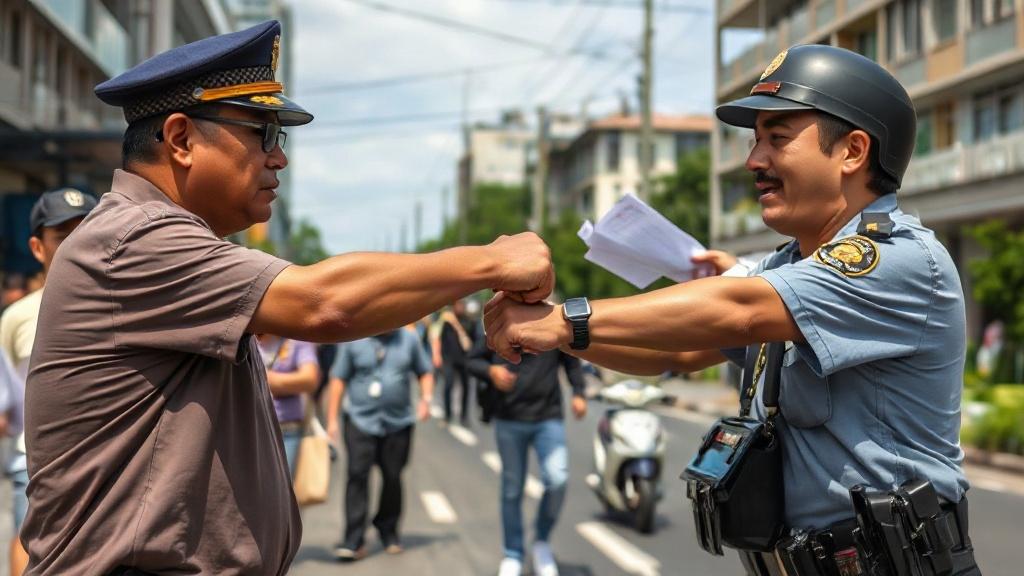
Police actions in these environments often ignite community debate. On one side, businesses and residents demand enforcement to curb illicit activity; on the other, advocates highlight civil-rights violations and racial bias in policing patterns.
There are documented cases where enforcement has targeted immigrant communities disproportionately, leading to accusations of harassment and racial profiling. That history can erode trust, making it harder to report genuine crimes or obtain reliable information.
Reform proposals typically include better oversight of sting operations, transparent reporting of outcomes, and partnership models where social services accompany enforcement to ensure that victims of trafficking receive care and that voluntary workers’ rights are protected.
How to tell the difference: a short guide
Recognizing whether a massage business is offering legitimate services or operating as a front is not always straightforward. Indicators can be subtle, and appearances alone are unreliable. Still, certain signs raise red flags for regulators and community groups.
- Overt sexualized advertising that focuses on body parts or erotic language rather than therapeutic treatments.
- Operating hours that are late-night and inconsistent with standard clinic schedules.
- Absence of state-required licenses, posted credentials, or visible sanitation practices.
- High turnover of staff, frequent bait-and-switch appointment tactics, or policies that discourage customers from taking receipts.
If you suspect trafficking or coercion, contacting local authorities or a national hotline is a prudent step. In the United States, the National Human Trafficking Hotline is available at 1-888-373-7888 and online at humantraffickinghotline.org, offering confidential assistance and referrals.
Practical alternatives for consumers
For people seeking legitimate therapeutic services, the safest route is to use licensed clinics and therapists with verifiable credentials. State boards typically list licensed professionals and their qualifications online, and reputable businesses will post certifications and training information.
Good practices include checking for reviews from reliable sources, confirming that a practitioner is licensed in the relevant modality, and choosing businesses with transparent pricing and written receipts. These steps protect both clients and honest practitioners.
If curiosity about illicit services stems from a desire for intimacy, consider alternatives that are legal and consensual: licensed sex workers in jurisdictions where sex work is regulated, relationship counseling to explore intimacy issues, or community groups that provide safer outlets for connection.
Policy options and what’s worked elsewhere
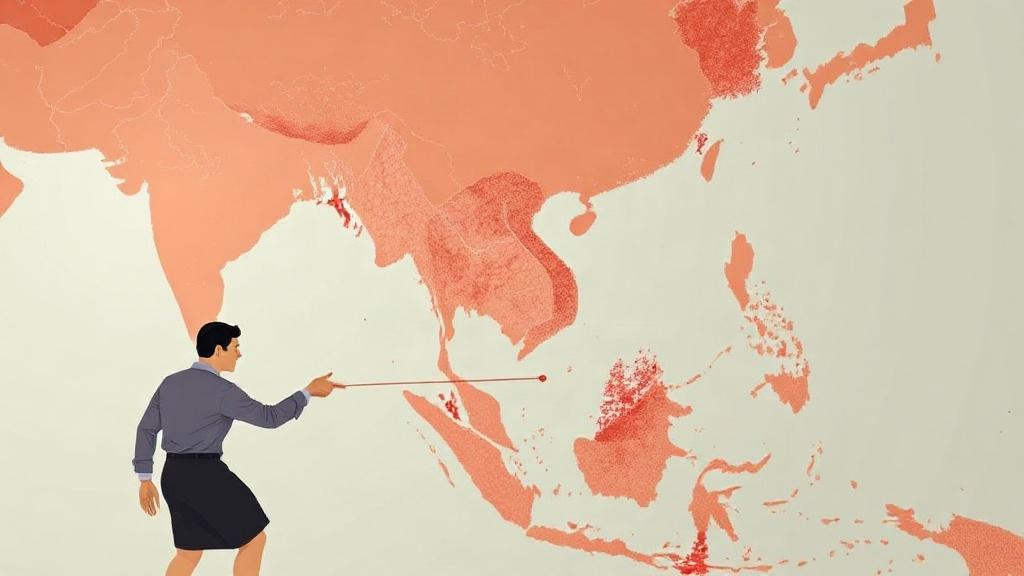
Different jurisdictions have taken varied approaches: strict criminalization, partial legalization and regulation, or decriminalization paired with labor protections. Each model produces different outcomes for safety, enforcement costs, and worker wellbeing.
Places that regulate sex work and require licensing, health checks, and workplace standards have reduced some harms but sometimes created barriers for migrants and informal workers. Decriminalization advocates argue it reduces stigma and allows workers to access legal protections without fear of arrest.
Any policy change should be informed by the voices of those most affected: current and former workers, survivors, and community organizations. Practical reforms often blend regulation with anti-trafficking measures, worker protections, and accessible social services.
Media portrayals and the cost of sensationalism
News stories about sting operations and raids attract attention, but they often simplify complex situations into easily digestible narratives: predators arrested, victims rescued. That framing can obscure systemic issues like labor exploitation, immigration policy, and racism.
Entertainment media contributes its own distortions, frequently leaning into stereotypes that sexualize Asian characters or treat underground parlors as lurid backdrops. Those portrayals reinforce public perceptions and can influence policy in ways that ignore nuance.
Better coverage focuses on structural drivers—economic inequality, lack of legal protections for migrants, and the demand side of commercial sex—rather than treating each incident as an isolated moral failing or a headline-grabbing sting.
Resources for help and advocacy
If you are a worker seeking support, several organizations provide culturally competent services: legal aid clinics, health centers with multilingual staff, and nonprofit groups specializing in anti-trafficking and labor rights. Local community centers are often a good first point of contact.
Civic actors can help by supporting laws that protect workers from exploitation, funding outreach programs, and promoting labor standards that include massage therapists and spa workers. Educating the public about the harms of fetishization and the importance of consent also matters.
If you witness potential trafficking, consider reporting to local enforcement and, where available, the national hotline. Advocacy groups can often advise on safe reporting methods that prioritize survivor autonomy and welfare.
No single paragraph can settle the debates around these businesses, and no single policy will resolve the overlapping harms of racism, economic precarity, and criminalization. But we can move forward with approaches rooted in evidence, respect for workers’ rights, and a willingness to separate myth from fact. Thoughtful, humane responses—whether through improved regulation, better outreach, or community-based support—stand a far better chance of reducing harm than the cycles of sensational enforcement that have dominated headlines for too long.
Comments are closed.