
Understanding the body rub: what it is and what it isn’t

If you’ve ever passed a spa door with a simple sign or overheard someone mention a “body rub,” you might have wondered what the term actually means and how it differs from massage, spa treatments, or other hands-on therapies. The phrase can carry different meanings depending on where you are, who’s speaking, and the setting in which it’s offered. This article takes a calm, clear look at the topic so you can separate marketing language from professional practice, understand the range of techniques encompassed by the term, and decide what kind of treatment might suit your needs.
Defining the term: scope and common usage
At its broadest, a body rub describes a manual, hands-on therapy in which a practitioner uses touch—rubbing, stroking, kneading, or applying pressure—on a client’s body to achieve a particular effect. That effect can be therapeutic, restorative, relaxing, or simply part of a beauty or wellness regimen. The phrase often overlaps with “massage,” but the two are not always interchangeable; usage varies by culture, industry, and legal context.
In many professional settings, “massage” tends to imply a regulated health-related service performed by licensed therapists who follow defined training standards. “Body rub” can be used as a more generic or commercial term, sometimes to describe treatments that are less formal or that blend relaxation techniques with spa-style pampering. In other instances, the term appears in marketing language for services that exist outside conventional medical or spa licensing frameworks.
A short history: touch in healing and relaxation
Humans have used touch as a means of care and repair for millennia. From the oils and manipulations of ancient Ayurvedic practice to the therapeutic traditions of Chinese medicine and the hands-on work recorded in Western antiquity, the physical application of touch has been central to health rituals. Over time, techniques diversified and were codified into distinct systems like Swedish massage, shiatsu, and Thai bodywork.
As spas and wellness cultures developed in the 19th and 20th centuries, touch-based services spread into recreational and beauty contexts. The modern commercial spa often mixes therapeutic and indulgent elements—scrubs, wraps, and relaxed “body rub” sessions designed to soothe rather than strictly treat pathology. That blending created a broad vocabulary where words like “body rub” could mean slightly different things to different people.
Types of body rubs and related therapies
There’s a wide range of practices that fall under the umbrella of body rubs, from clinically oriented techniques to spa treatments focused on relaxation. Each has its own goals, pressure levels, and training requirements for practitioners. Below is a concise breakdown of common categories you’ll encounter.
| Category | Typical focus | Common techniques |
|---|---|---|
| Therapeutic massage | Pain relief, injury recovery, improved mobility | Deep tissue, myofascial release, trigger point work |
| Relaxation or spa body rub | Stress reduction, relaxation, sensory pleasure | Swedish massage, light stroking, aromatherapy oils |
| Sports massage | Performance enhancement, recovery, injury prevention | Compression, stretching, cross-fiber friction |
| Traditional cultural therapies | Holistic balance, energy flow, cultural wellbeing | Shiatsu, Thai massage, Ayurvedic abhyanga |
| Reflexology and foot/bodywork | Localized stimulation believed to affect other parts of the body | Foot reflex points, focused palms, pressure points |
This table highlights general tendencies, not strict rules. A single practitioner might blend techniques across categories depending on training and client needs. Read a provider’s description and ask questions to clarify what they mean by body rub.
Techniques and what they accomplish
Techniques used during a body rub can range from gentle stroking to intense, focused pressure on deep tissues. Gliding strokes increase circulation and warm the muscles while kneading and compression address knots or adhesions. Percussive movements and tapping can stimulate nerve responses, and slow, rhythmic strokes are excellent for calming the nervous system.
In therapeutic contexts, practitioners often work with an understanding of anatomy, fascia, and muscle mechanics. They might use targeted approaches—like ischemic compression or cross-fiber friction—to relieve chronic tension. In spa contexts, the aim might be to induce relaxation through a sequence that emphasizes comfort and sensory enjoyment rather than aggressive manipulation.
Tools and adjuncts commonly used
Beyond hands, many body rub sessions incorporate tools and products. Oils, lotions, and balms reduce friction and add sensory value through scent and texture. Hot stones, cupping devices, and massage tools can extend the practitioner’s reach or focus pressure in specific ways. Heat, steam, or wraps sometimes play a role in deepening relaxation and improving tissue pliability.
Some practitioners also use stretching or assisted movements as part of a session. These additions aim to restore range of motion and reduce stiffness. Whatever tools are used, a professional should explain their purpose and secure consent before applying them.
Benefits people seek from a body rub
People book body rubs for many reasons: to reduce stress, manage chronic pain, recover from athletic exertion, or simply to feel cared for. The physical effects commonly reported include reduced muscle tension, improved circulation, and temporary relief of soreness. On the nervous system level, touch can lower heart rate, reduce cortisol, and produce a general sense of wellbeing.
There are also mental and emotional benefits. A focused session can give someone time away from daily pressures, encourage body awareness, and reduce symptoms of anxiety or mild depression for some individuals. For many, the act of receiving human touch in a respectful, professional context is itself restorative.
Risks, contraindications, and safety considerations
While body rubs are generally safe, they are not risk-free. Deep pressure should be avoided in areas with recent fractures, inflamed tissue, open wounds, or certain skin conditions. People with blood clotting disorders, uncontrolled high blood pressure, or certain heart conditions should consult a healthcare provider before receiving deep or vigorous treatments. Pregnancy requires special care and the use of appropriate techniques.
A responsible practitioner will take a thorough intake history, ask about medical conditions and medications, and modify or decline techniques that could cause harm. If anything feels painful or off during a session, communicate immediately. Pain that is sharp, radiating, or accompanied by numbness warrants stopping the technique and seeking medical advice if it persists.
Sanitation and infection control
Cleanliness matters. High-quality providers follow basic infection-control measures: clean linens for each client, laundered towels, clean hands, and sanitized tools. Oils and lotions should be fresh and stored properly. If a practitioner seems lax about sanitation, it’s reasonable to find another provider.
Skin contact means potential transmission of pathogens, so gloves are appropriate in specific clinical situations but generally are not used during routine relaxation bodywork. Providers should disclose their hygiene practices and be willing to answer questions about how they maintain a clean workspace.
Ethics, consent, and appropriate boundaries
Consent is central to any hands-on therapy. A practitioner must explain the nature of the session, which parts of the body will be touched, and whether any undressing is expected. Clients should be given clear options about draping (how much of the body is covered during the session) and be told they can stop or modify pressure at any time.
Boundaries protect both client and practitioner. Professional bodyworkers avoid sexual behaviors, maintain confidentiality, and refuse to engage in activities outside the agreed-upon therapeutic scope. If a client feels pressured into anything they did not agree to, that is a violation—and a signal to end the session and report the behavior if necessary.
How different cultures address consent
Consent standards vary across cultures and legal systems, but the basic principle remains: informed permission must be obtained before touching someone. In many countries, professional organizations set strict codes of conduct that include draping rules, professional greetings, and documentation practices. When traveling or visiting providers with different cultural norms, ask about protocols up front so expectations are clear.
Language barriers can complicate consent, so ensure communication is clear. A brief verbal description of the session and asking simple yes/no questions before beginning is often sufficient to establish informed consent when both parties are comfortable with that approach.
Legal and regulatory landscape
The legal status of body rubs differs widely by jurisdiction. In some places, massage therapists require licensing, continuing education, and adherence to state or provincial regulations. In others, the term “body rub” might be used in unregulated commercial settings where different laws apply. Understanding local regulations helps you choose a provider who operates within expected standards.
Some governments restrict or supervise establishments where body rubs are offered, especially if there are risks of exploitation or illegal activity. Licensed clinics and accredited spas typically display credentials or registration information that you can verify with local licensing boards.
Professional organizations and standards
Look for membership in reputable associations when evaluating providers. Professional bodies often set ethics guidelines, scope-of-practice definitions, and minimum training requirements. Membership is not a guarantee of quality, but it signals a commitment to standards and accountability.
Continuing education is another important indicator. Therapists who keep learning new techniques and update their knowledge about safety and anatomy are more likely to provide effective, responsible care. Ask about a practitioner’s training, certifications, and ongoing education if those factors matter to you.
How to choose a practitioner
Choosing a good provider involves more than price or proximity. Start with credentials: what training do they have, and do they belong to professional organizations? Read reviews, ask for referrals from friends or healthcare providers, and pay attention to how the practitioner communicates before you book. Clear, professional responses are a good sign.
Visit the space if possible. A clean, organized environment that respects privacy signals professionalism. Notice whether staff answer questions about techniques, hygiene, and scope of practice in a straightforward manner. Trust your instincts—if something feels off during a phone call or initial visit, look elsewhere.
Questions to ask before booking
- What is your training and experience?
- Are you licensed or certified in this jurisdiction?
- What techniques will you use, and what are the intended benefits?
- How do you handle draping and client modesty?
- What is your cancellation and payment policy?
These simple questions help set expectations and protect your comfort. A professional practitioner will welcome them and provide clear answers; evasive or vague replies are a red flag.
What to expect during a session
Most sessions begin with an intake form or brief conversation about health history, current concerns, and treatment goals. This dialogue helps the practitioner tailor their approach and identify any contraindications. If you have a specific area of pain or are recovering from an injury, mention it early.
Draping is standard practice: only the area being worked on is uncovered, and modesty is maintained throughout. Practitioners typically use towels or sheets to cover the rest of the body. If you prefer more or less coverage, say so—your comfort should guide the process.
During the treatment
Expect the practitioner to check in about pressure and comfort. They should provide guidance about breathing and let you know when they will move to a new area or change techniques. If pressure is uncomfortable, ask for it to be reduced; a good practitioner will adjust without hesitation.
At the end of the session, the practitioner may provide self-care suggestions—hydration, stretching, or follow-up appointments. Some people feel energized afterward, others sleepy. Both responses are normal and depend on the techniques used and your physiological state that day.
Payment, tipping, and etiquette
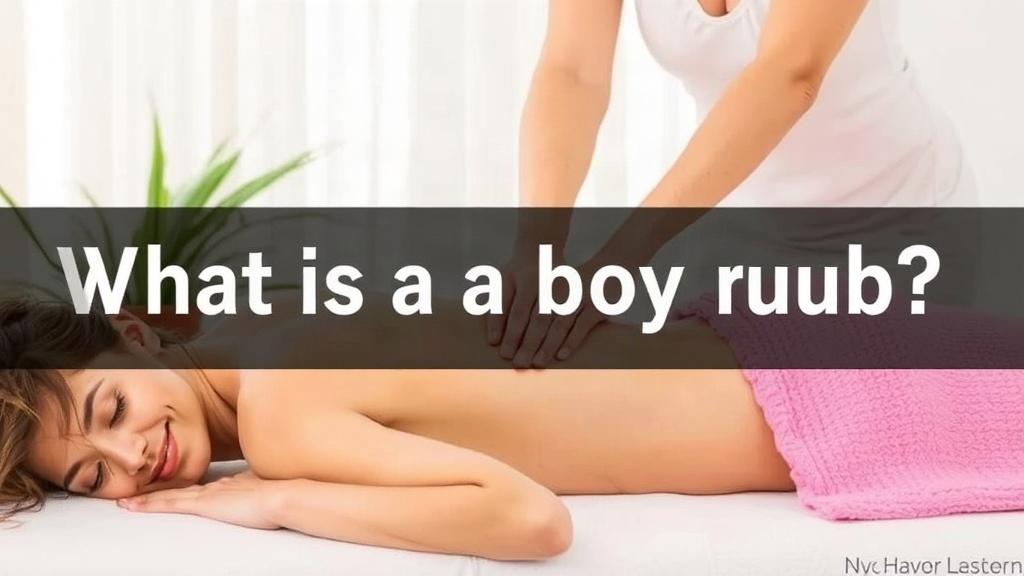
Rates for body rubs vary widely depending on location, practitioner training, and the type of facility. Licensed practitioners in medical settings may charge differently than independent spa therapists. Check payment methods and cancellation policies before booking to avoid misunderstandings.
Tipping practices differ culturally, but in the United States it is common to tip massage and spa therapists 15–25% for good service. If you’re unsure, inquire with the facility or observe posted policies. Maintain brief, respectful conversation during sessions and consider silencing your phone to preserve a calm atmosphere for others.
Alternatives and complementary practices
If a hands-on body rub isn’t right for you, there are several alternatives that may provide similar benefits. Self-massage tools—foam rollers, massage balls, and electric massagers—can deliver targeted pressure at home. Stretching routines, yoga, and Pilates improve flexibility and body awareness without direct professional touch.
Other complementary therapies include physical therapy for injury rehabilitation, chiropractic adjustments for spinal alignment, and occupational therapy for functional improvements. Each has a distinct scope and training framework; choose based on your specific health goals and consult a clinician for injury-related issues.
At-home body rubs: safety and techniques
There’s nothing wrong with learning simple self-care techniques to relieve tension between professional sessions. Use a light oil or lotion to reduce friction and apply long, sweeping strokes to warm the muscles before attempting deeper work. A foam roller can help with larger muscle groups like the quads and back, while a massage ball is useful for trigger-point release in smaller areas.
Practice moderation: avoid aggressive self-treatment of acute injuries or areas with known circulatory issues. If self-massage causes sharp pain, discontinue and consult a health professional. A short routine performed regularly is safer and often more effective than occasional, intense self-manipulation.
Case study: a practical example
A few years ago I booked a session at a neighborhood wellness center to help with persistent shoulder tension from long hours at a desk. The practitioner began with a brief intake, asked about my daily habits, and explained a plan that mixed long gliding strokes with focused myofascial release around the shoulder blade. She checked pressure frequently and modified techniques when I reported sensitivity.
After the session I felt looser and more aware of posture adjustments to maintain between treatments. She recommended simple stretches and a follow-up visit focused on ergonomic changes rather than deeper tissue work. That practical blend of immediate relief and long-term advice made the session feel purposeful rather than indulgent.
Misconceptions and marketing language
One common misconception is that “body rub” always implies sexual content. In many professional and clinical contexts, the term is used innocuously to describe a hands-on therapeutic service. However, because some businesses use ambiguous advertising, the label can sometimes signal services outside professional norms. That’s why reading descriptions and asking direct questions is essential.
Another myth is that stronger pressure is always better. Intense pressure can be useful in specific contexts but is unnecessary and sometimes harmful for people with certain conditions. A skilled practitioner calibrates force to the client’s needs rather than following a one-size-fits-all mentality.
When to seek medical advice instead
If you have unexplained or worsening pain, signs of infection, numbness, or neurological symptoms like tingling and weakness, consult a medical professional before booking a body rub. Hands-on therapy can complement medical care but is not a substitute for diagnosis and treatment of potentially serious conditions. Your physician or physical therapist can advise whether massage or related work is appropriate for your situation.
For chronic health problems, coordination between your healthcare provider and your massage or bodywork practitioner often yields the best outcomes. Sharing relevant medical history helps practitioners avoid contraindicated techniques and integrate body rubs into a broader health plan safely.
How to talk about body rubs with friends and family
Conversations about touch-based therapies can feel awkward because of cultural taboos and the term’s ambiguous connotations. Frame the discussion around goals—stress relief, recovery, relaxation—rather than sensational language. Sharing a short explanation of what you experienced and why it helped you often opens a constructive dialogue.
If someone in your circle is skeptical, invite them to visit a licensed clinic with you or read materials from professional associations. Firsthand exposure to a respectful, therapeutic environment typically reduces misunderstanding and fosters appreciation for the care such services can provide.
Resources for further learning
Reliable information is widely available from professional associations, licensing boards, and continuing education providers. Look for materials from established bodies like national massage therapy associations, accredited schools, and peer-reviewed journals for technical subjects like myofascial release or sports massage. These resources help you evaluate claims and choose skilled providers.
Online platforms can be useful for reviews and practical tips, but verify credentials and cross-check information. Local health departments often publish guidance about licensed facilities and legal standards relevant to hands-on therapies in your area.
Final thoughts on choosing and experiencing a body rub
Understanding what the term can mean—and the range of practice it covers—helps you make informed choices. Whether you seek clinical relief, athletic recovery, or a moment of calm, a professional, communicative practitioner and a clear discussion about goals and boundaries are the best predictors of a positive experience. Touch done well is simple but powerful: it can soothe, restore, and remind you that taking care of your body matters.
When in doubt, ask questions, check credentials, and trust your instincts about safety and comfort. Explore options gradually, and use sessions as one element of a broader approach to health that includes movement, sleep, and stress management. A thoughtfully chosen body rub can be a practical, effective part of that routine—and a quietly transformative one at that.
Comments are closed.