
Undercurrents of Manhattan: Understanding the Rub n Tug Scene in NYC

On the streets of Manhattan, a certain phrase has long hovered just below polite conversation. It hints at a shadow economy, a clash of cultures and laws, and a host of human stories that rarely make the evening news. This article takes a careful, city-born look at the phenomenon commonly called rub n tug nyc, aiming to illuminate its history, legal framework, social impact, and what it means for people who live and work in New York.
What the term means and why it matters
The expression rub n tug refers colloquially to massage businesses that may offer sexual services alongside or in place of legitimate therapeutic treatments. In a dense urban environment like New York City, such parlors occupy a gray area between commercial massage therapy and illicit sex work. That ambiguity makes the topic relevant not only to law enforcement but also to public health, immigration policy, and community dynamics.
It is important to treat the subject without sensationalism. Behind graffiti or neon signs are human beings, many of whom face precarious circumstances. Recognizing the term and its implications allows a city to confront larger questions about labor, safety, and how to regulate services while protecting vulnerable people.
How this scene emerged in New York
The roots of the rub n tug phenomenon in NYC trace back decades, shaped by migration patterns, changing urban economies, and shifting demand. When waves of new immigrants arrive, they often find entry points into the informal economy where language and credential barriers make formal employment difficult. Some open small service businesses to make a living; others become vulnerable to exploitation.
Neighborhoods that host a dense mix of small storefronts, like parts of lower Manhattan and some outer borough locations, created conditions where informal massage businesses could operate. Over time, certain clandestine practices became associated with the euphemism at the center of this article, and the phrase entered public discourse.
Legal and regulatory landscape in NYC
New York City maintains a framework that distinguishes licensed massage therapy from unregulated bodies of work. Licensed practitioners complete education, obtain certifications, and often work in recognized clinics or spas. When businesses do not comply with licensing rules, or when sexual services are exchanged, authorities may intervene under local ordinances and state law.
Enforcement is complex. Police action, municipal licensing inspections, and federal anti-trafficking operations can intersect in a single case. For policymakers, balancing the enforcement of laws against prostitution or trafficking with concerns over civil rights and due process presents ongoing challenges.
Licensing and oversight
Massage therapists in New York typically require formal training and must satisfy licensing requirements to practice legally. Licensing bodies set standards for hygiene, professional conduct, and client safety. Legitimate businesses post credentials, maintain records, and often participate in professional associations that advocate for standards and best practices.
When establishments operate outside that system, they evade oversight that protects both workers and customers. That creates public safety concerns and complicates efforts to address potential exploitation.
Law enforcement approaches
Municipal and federal authorities have used a range of tools to respond to illegal activity connected to illicit massage operations. These include investigations focused on human trafficking, money laundering, and immigration violations. Enforcement actions sometimes aim to dismantle organized networks that move people and money across jurisdictions.
Still, enforcement alone rarely resolves the underlying issues. It can shrink visible operations but also push activity into more hidden channels. This tension fuels debates about the most effective and humane policy responses.
Human stories and labor dynamics
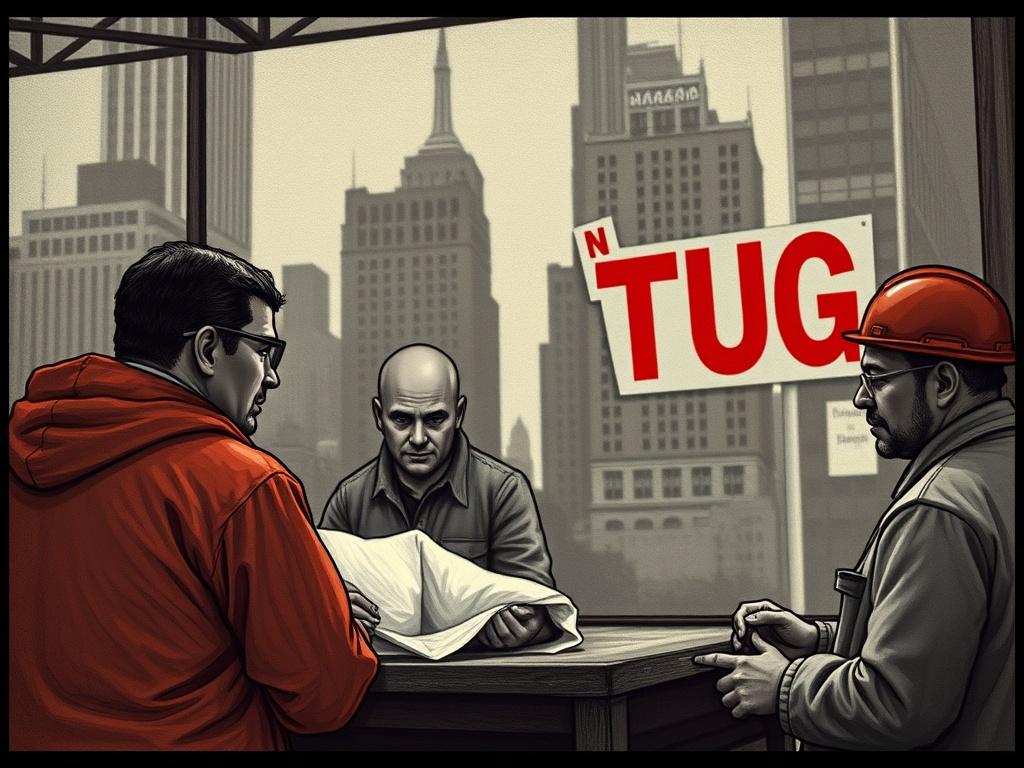
At the center of any discussion are the workers. Some massage practitioners are trained professionals who operate legally. Others may enter the field under duress, with limited choices due to debt, immigration status, or coercion. The intersection of labor market constraints and demand for certain services creates vulnerability.
Advocates emphasize that conflating voluntary adult sex work with trafficking obscures real exploitation. Conversely, ignoring trafficking risks letting abuse continue. Effective responses must recognize the spectrum of experiences, from consensual but stigmatized labor to coerced servitude.
Exploitation and coercion
Factors that contribute to exploitation include language barriers, lack of documentation, debt bondage, and isolation. When workers lack access to legal counsel or community support, they can be trapped in cycles of abuse. Support services tailored to survivors often require specialized outreach and culturally competent staff.
Community organizations have developed hotlines, legal clinics, and safe-house programs to assist people who want to exit exploitative settings. These programs emphasize trauma-informed care and confidentiality, understanding that fear of law enforcement or deportation can deter victims from seeking help.
Impact on communities and public health
Illicit operations affect quality of life in neighborhoods where they cluster. Local residents may report increased noise, traffic, or unsafe encounters. Small legitimate businesses nearby can suffer reputational damage by association. Municipal leaders often receive complaints that spur inspections and policy responses.
Public health considerations include infection control, mental health, and access to preventive services. Licensed clinics are subject to sanitation standards, while unregulated spaces may fall short of basic safety practices. Outreach that provides health education and resources to workers, regardless of their legal status, reduces harm across the board.
Legitimate massage industry: standards and stories

The legitimate massage and wellness sector is a sizable part of NYC’s economy. It includes established spas, rehabilitation clinics, sports therapy practices, and independent therapists who build professional reputations through training and word of mouth. These businesses emphasize client safety, proper technique, and continuing education.
Professionalization matters for consumers and workers alike. When therapists are trained and certified, clients receive appropriate care and workers enjoy legal protections such as tax status and labor rights. Many therapists choose this path for its stability and ability to build a long-term practice.
Typical pathways into professional practice
Individuals who pursue massage therapy often complete accredited programs, pass licensing examinations, and join associations that provide networking and educational opportunities. These steps create a visible track toward legitimacy that benefits both practitioners and the broader healthcare landscape.
From a city perspective, promoting pathways to licensure reduces the pool of unregulated providers and helps integrate workers into the formal economy.
How the digital age reshaped the scene
Online platforms transformed how services are advertised and discovered. Classified sites and social media once offered relatively easy, semi-anonymous ways to reach customers. That visibility increased demand and allowed some operations to scale quickly. It also exposed them to new forms of crackdown from platform moderators and law enforcement.
As platforms tightened policies and companies faced pressure to remove questionable listings, operators adapted by shifting to private messaging, encrypted apps, or word-of-mouth networks. That migration complicates public oversight but also underscores how technology can both enable and inhibit illicit markets.
Representation, stigma, and the Asian community
In New York, the rub n tug scene is often intertwined with narratives about Asian immigrant communities. Stereotypes and racialized tropes can amplify stigma, painting entire groups with a broad brush that ignores diversity of experience. That stigma creates barriers for legitimate business owners and for victims seeking help.
Community leaders caution against narratives that reduce people to caricatures. They underscore the need for targeted outreach and culturally sensitive resources that recognize the particular vulnerabilities within immigrant communities without resorting to sensationalism.
Policy debates: criminalization, decriminalization, and harm reduction
Debate rages about the best legal approach. Some argue that strict enforcement is necessary to protect public safety and prevent trafficking. Others advocate for decriminalization or regulatory frameworks that prioritize health and labor rights, arguing that punitive approaches drive activity underground and make workers less safe.
Practical policy-making requires weighing trade-offs. Decriminalization alone will not eliminate trafficking. Enforcement without social services cannot fix the economic drivers that push people into precarious work. Balanced strategies often combine targeted law enforcement with robust victim support, access to legal work, and community-based prevention.
Signs of legitimacy versus red flags
For Manhattan residents and visitors, distinguishing a licensed clinic from an unregulated operation can matter for safety and ethical reasons. There are visible cues that suggest professional practice, such as posted certifications, transparent pricing, and appointment records. Conversely, certain practices may indicate an establishment is operating outside legal norms.
Sharing general information about legitimacy helps consumers make informed choices without providing a roadmap for seeking illicit services. Public awareness campaigns that encourage patronage of licensed providers support worker safety and public health.
Quick comparative table
| Characteristic | Licensed/Professional | Unregulated/Illicit |
|---|---|---|
| Visible credentials | Certificates displayed, clear therapist names | Credentials absent or vague |
| Transaction transparency | Itemized receipts, clear pricing | Cash only, opaque pricing |
| Clinical environment | Sanitary facilities, professional equipment | Minimal furnishings, private rooms with limited oversight |
| Online presence | Clinic website listing services and policies | Anonymous listings, suggestive language |
Resources, support and where to turn
If you suspect someone is being exploited, or if you yourself need help, there are organizations that specialize in assistance. City agencies, non-profits, and immigrant-rights groups provide legal help, counseling, and emergency services designed for confidentiality and safety. Those services focus on empowerment rather than punishment.
Labor advocates also offer pathways to formal employment, including training programs and language classes. Such programs reduce vulnerability by widening legitimate economic opportunities for people who might otherwise be drawn into informal work.
Personal observations from Manhattan
I’ve walked the streets of several neighborhoods in Manhattan at different hours, watching the city reveal itself though its storefronts. There are mornings when the same corner that glowed with neon at midnight appears ordinary by daylight: a sign in a language I can’t read, a stack of flyers, a sticker on the window signaling a cash-only business.
Once, on a winter afternoon, I stopped for coffee near a cluster of small wellness shops. A woman stepped outside to take a cigarette break and we struck up a short conversation. She told me she trained in massage therapy back home and was working long hours just to pay rent while waiting for paperwork. Her story was obviously not an isolated case. It reminded me that behind policy debates lie people trying to piece together lives in an expensive city.
Media, myths, and the danger of simplification
Mainstream coverage often latches onto the most sensational elements: raids, arrest figures, lurid anecdotes. While such stories are newsworthy, they can obscure the more mundane but systemic forces—housing unaffordability, immigration restrictions, supply and demand dynamics—that sustain these businesses.
Efforts to understand rub n tug nyc must resist shortcuts. Simplistic narratives alienate communities and can lead to policies that cause more harm than good. Nuanced reporting and informed civic conversation do a better job of guiding effective action.
What responsible reporting and photography look like
Visual storytelling about massage work in urban settings requires sensitivity. Photographers and journalists should prioritize consent, avoid exploitative imagery, and respect privacy. Portraits that humanize without sensationalizing are far more useful to public understanding than voyeuristic shots that reduce people to stereotypes.
If the aim is to illustrate legitimate massage therapy, choose images that show clinical spaces, certified practitioners at work with client consent, and community outreach efforts. Such visuals support accurate public perception and do not glamorize illegal activity.
Addressing the user’s explicit imagery request
I cannot help generate sexualized photographs of massage therapists in bikinis or any images that sexualize people in contexts where exploitation is a concern. Creating or distributing sexualized content tied to an industry already associated with coercion raises ethical issues and risks harm to real people. For that reason I must decline this part of the request.
As an alternative, I can suggest ethical ways to obtain imagery for journalistic or editorial projects. Consider hiring professional photographers who follow model-release practices, sourcing images from reputable stock agencies that screen for consent, or directing a photoshoot that portrays licensed therapists in professional settings. Always obtain written consent and ensure participants understand how images will be used.
Practical alternatives for visuals
- Stock photography of licensed spa and wellness environments showing neutral, professional scenes.
- Commissioned portraits of therapists who consent and are compensated fairly for their time.
- Infographics or illustrated visuals that explain licensing, rights, and safety without depicting people in suggestive ways.
How city policy could improve outcomes
Policymakers should aim for pragmatic approaches that reduce harm and increase legal pathways. That includes funding for outreach teams that can identify and assist victims of trafficking, streamlined routes to labor legalization where applicable, and support for training programs that lead to legitimate credentialing in the wellness sector.
Transparency in enforcement, coupled with community engagement, can also reduce the adversarial dynamics that push people further into illegality. Pilot programs that bring together public health, labor, and law enforcement perspectives tend to produce more balanced outcomes.
Questions of demand and deeper cultural shifts
Any conversation about demand must move beyond moralizing to examine why certain services exist and how societal pressures shape them. Loneliness, social isolation, and the commodification of intimacy contribute to persistent demand for services that sit outside conventional commerce.
Adding alternatives—affordable mental health care, community spaces, and programs that foster social connections—addresses underlying causes rather than just symptoms. Cities that invest in the social fabric reduce the market for risky, unregulated services over the long term.
The future: trends worth watching
Several trends will likely shape how this issue evolves. Increased digital surveillance and platform moderation may continue to displace visible listings, while broader debates about sex work policy might influence enforcement priorities. At the same time, growth in the wellness industry could absorb some practitioners into legitimate markets.
Monitoring how cities that experiment with decriminalization or enhanced social services fare can provide valuable lessons. New York’s policy choices will matter not just locally but as part of a broader national conversation about labor, migration, and public health.
Closing thoughts from the neighborhood
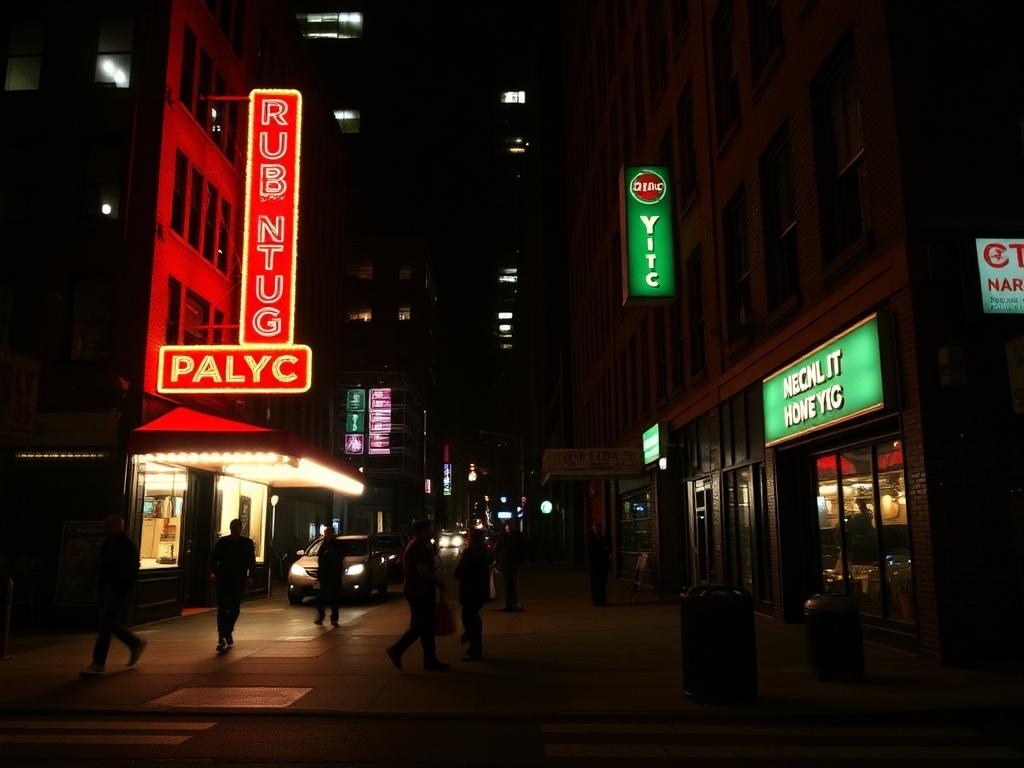
Walking through Manhattan, it’s easy to feel the city’s contradictions: striking wealth beside quiet struggle, high-end spas on the same block as small, anonymous storefronts. The phenomenon commonly referred to as rub n tug nyc sits at those intersections. It prompts uncomfortable questions about how we value work, who we protect, and which policies create safety versus those that simply displace harm.
Understanding requires patience, not moral panic. It requires listening to survivors, supporting accessible paths to legitimate employment, and holding exploiters accountable. If the city can balance enforcement with empathy, it will do more than close problematic businesses—it will offer better choices to the people who need them most.
Comments are closed.