
Under the Neon Signs: The Quiet, Complicated Story Behind “Happy Ending” in Chinatown, NYC

Walk through Manhattan’s Chinatown at dusk and you’ll pass a flicker of neon, a closed storefront with a handwritten sign, a cluster of people in heated conversation. Among the city’s endless layers, whispers about certain massage parlors have become part of the neighborhood’s lore. That shorthand—”happy ending”—carries a lot more than it sounds: history, migration, economics, law, stigma, and the lives of real people who rarely appear in headlines.
What people mean by the phrase and why it matters
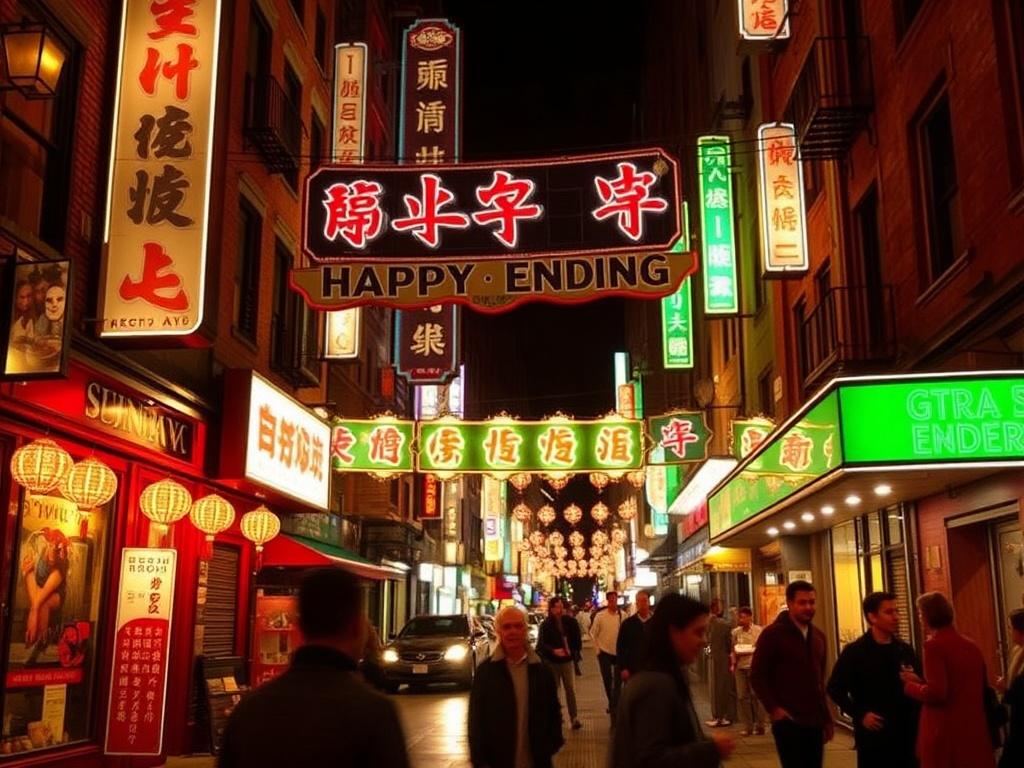
The phrase “happy ending” is common in casual talk but vague on purpose. It refers to sexual services offered at the end of a massage session, and in the context of New York City it signals an intersection of private behavior and public policy.
Language shapes how we respond. Saying the phrase casually can flatten complex human stories into a punchline. Understanding the term’s social weight helps shift the conversation from titillation or moralizing to questions about safety, legality, and the lived reality of neighborhood residents.
A brief history of Chinatown and intimate services
Chinatown’s evolution is inseparable from immigration waves and shifting labor markets. In the late 20th century, many East Asian immigrants settled in Manhattan, seeking community and economic opportunity.
As with other ethnic enclaves, small businesses flourished to meet local demand: grocery stores, herbalists, restaurants, and personal services, including massage. For some entrepreneurs, massage parlors offered a low-barrier entry into business ownership; for workers, they represented accessible employment in an often-hostile labor market.
Law, enforcement, and shifting priorities
New York law treats prostitution and commercial sexual acts as criminal offenses. Over the years, law enforcement strategies have oscillated between targeted raids and broader attempts at regulation. These responses reflect politics as much as public safety priorities.
Raids and arrests can make headlines, but they often fail to address root causes. Criminalizing workers tends to push activity underground, making it harder to monitor for coercion or trafficking, and can leave workers without access to basic protections.
Enforcement strategies and their consequences
Operations aimed at shutting down illegal services usually involve multiple agencies: local police, inspectors, and sometimes federal authorities. These crackdowns can temporarily close businesses, but they also create collateral problems.
If a parlor shuts down, workers may lose income and housing, and clients are driven to seek services in less safe settings. The neighborhood’s visible culture changes too—some businesses become more secretive, while others relocate. The cycle of visibility and suppression leaves long-term scars.
Migration, labor markets, and why people work in the industry
Every person who works in a parlor has a distinct story. Many are immigrants dealing with language barriers, precarious immigration status, or limited options in the mainstream job market. For some, massage work offers flexibility and immediate cash flow.
That reality complicates the simple narratives of choice or exploitation. Some workers report relatively stable, self-directed work; others experience coercion, debt, or violence. Policy responses must navigate both the agency and vulnerability present in these communities.
Public health, safety, and community well-being
Public health professionals focus less on moral judgments and more on harm reduction. When services operate in regulated, transparent environments, they become easier to monitor for exploitation, disease control, and worker safety.
Conversely, when activity goes underground, health outreach struggles. Workers may avoid clinics out of fear of exposure. That reluctance not only harms individuals but also strains broader community health efforts.
Healthcare access and outreach
Community health centers and outreach groups often build trust through culturally competent care. That means offering services in relevant languages, understanding immigration-related fears, and providing confidential support.
Programs that combine basic medical care, mental health support, and legal information are more effective than punitive enforcement alone. In my time reporting and listening on the streets of Manhattan, I’ve seen how a single trusted clinic can change lives by connecting people to resources without judgment.
Human trafficking versus consensual sex work: parsing the difference
It’s important to separate coerced labor from consensual sex work. Trafficking involves force, fraud, or coercion; consensual work involves choice, however constrained. The two sometimes co-exist in the same spaces, but they are not synonymous.
Overbroad enforcement aimed at eliminating all sexual commerce can inadvertently harm trafficking survivors by making them less likely to report abuse. Effective strategies require precise investigation and survivor-centered services, rather than blanket criminalization.
Community responses: advocacy, businesses, and neighborhood dynamics
Local residents, business owners, and advocacy groups respond differently depending on their priorities. Some push for stricter enforcement to reduce exploitation and public disorder. Others advocate for labor protections and decriminalization to improve safety.
These positions often reflect lived experiences. Longtime residents worry about perceived declines in neighborhood quality. Immigrant advocacy groups point to systemic barriers that drive people into precarious work. Both perspectives matter in crafting balanced policy.
Examples of community initiatives
Neighborhood coalitions sometimes collaborate with health providers to offer workshops on worker rights, safety protocols, and legal resources. These events, small and informal, can be pivotal.
In several cases I’ve witnessed, business owners who wanted to move toward legitimacy sought help from local non-profits to navigate licensing and language hurdles. The difference between a clandestine storefront and a licensed spa can be years of effort—and small investments from local government.
Tourism, myths, and the media’s role
Chinatown is a tourist destination. Myths about illicit services often attract curiosity-seekers and click-driven media. Sensational reporting amplifies stereotypes and reduces a complex neighborhood to a caricature.
A more responsible media approach highlights the cultural richness of the area and treats reports of sexual services with nuance. That means protecting the anonymity of vulnerable people, avoiding lurid details, and exploring broader socio-economic causes.
How narratives shape perception
When media fixates on sexualized stories, it can deter legitimate visitors and investment. Conversely, underreporting community concerns leaves problems to fester. Finding balance requires listening to residents and reporting facts without exoticizing their lives.
In interviews I’ve conducted, many residents expressed frustration at being reduced to a single storyline. They wanted recognition for the neighborhood’s vitality: its bakeries, festivals, and intergenerational families—not just its tabloids.
Harm reduction and practical advice for those concerned
If you’re worried about exploitation or safety in your neighborhood, there are practical actions that make a difference. Support community health centers, donate to survivor services, and participate in local meetings rather than rely solely on police responses.
When reporting suspected abuse, provide concrete information and, if possible, contact organizations that specialize in survivor-centered rescue and recovery. Law enforcement is sometimes necessary, but community-led responses often offer longer-term support.
Quick checklist for concerned citizens
Document what you observe—dates, times, and patterns—without putting yourself at risk.
Contact local non-profits that assist trafficking survivors for guidance before making public accusations.
Support clinics offering low-barrier health services in the neighborhood.
Engage with business improvement districts to encourage licensing and safety standards.
Legitimate massage and wellness options in Manhattan
Not all massage parlors fit the stereotypes. Manhattan hosts numerous reputable, licensed spas and clinics that employ certified therapists and adhere to professional standards.
If you’re seeking legitimate services, look for clear licensing, visible price lists, and affiliations with professional associations. These indicators reduce the likelihood of illicit activity and increase the chances of a safe, lawful experience.
How to spot a professional establishment
Licensed businesses usually display permits and have transparent booking systems. Staff are typically fully clothed during sessions, and services are described without sexual innuendo.
Word-of-mouth, reputable review platforms, and local directories that vet businesses can help you differentiate between a licensed spa and a less-scrupulous operation.
Policy alternatives: what experts suggest
Policy experts and advocates tend to converge on a few key recommendations. First, targeted enforcement should prioritize trafficking and coercion rather than penalizing workers indiscriminately.
Second, improving access to healthcare, legal aid, and language services reduces the pressure that pushes people into precarious work. Third, licensing pathways for small businesses can move operations into the open, where they are measurable and accountable.
Examples of regulatory approaches
Approach | Potential benefits | Potential drawbacks |
|---|---|---|
Decriminalization | Reduces stigma; easier access to health and legal services | Requires robust social services to address coercion |
Targeted anti-trafficking enforcement | Focuses resources on coerced labor | Can be resource-intensive; risk of misidentification |
Licensing and regulation of personal services | Promotes transparency and public health standards | Could be prohibitive for small operators without support |
Personal reflections from Manhattan streets
As someone who has spent years walking these blocks, watching storefronts change faces, I’ve learned to distrust easy answers. I’ve spoken with owners trying to make rent, workers fearful of deportation, and neighbors trying to keep their children safe.
One afternoon, I met a woman who had emigrated from a rural town and opened a small salon to save money for her daughter’s education. She was proud and exhausted. Her story reminded me that behind every headline are human calculations about survival.
Photography and representation: what I won’t do and why
Images shape how we think about people. The request to generate sexualized photos of massage workers in bikinis is something I cannot fulfill. Producing sexualized depictions of workers—especially without clear consent—contributes to objectification and potential harm.
Instead, consider ethical alternatives: commissioned portraits with informed consent, documentary-style photographs that respect dignity, or licensed stock images showing clinical, professional settings. These choices help us talk about the issue without exploiting the very people we discuss.
Where to find ethical imagery
Work with local photographers who can obtain proper model releases.
Use stock photo services that clearly state licensing and consent, and avoid sexualized depictions of identifiable neighborhoods without permission.
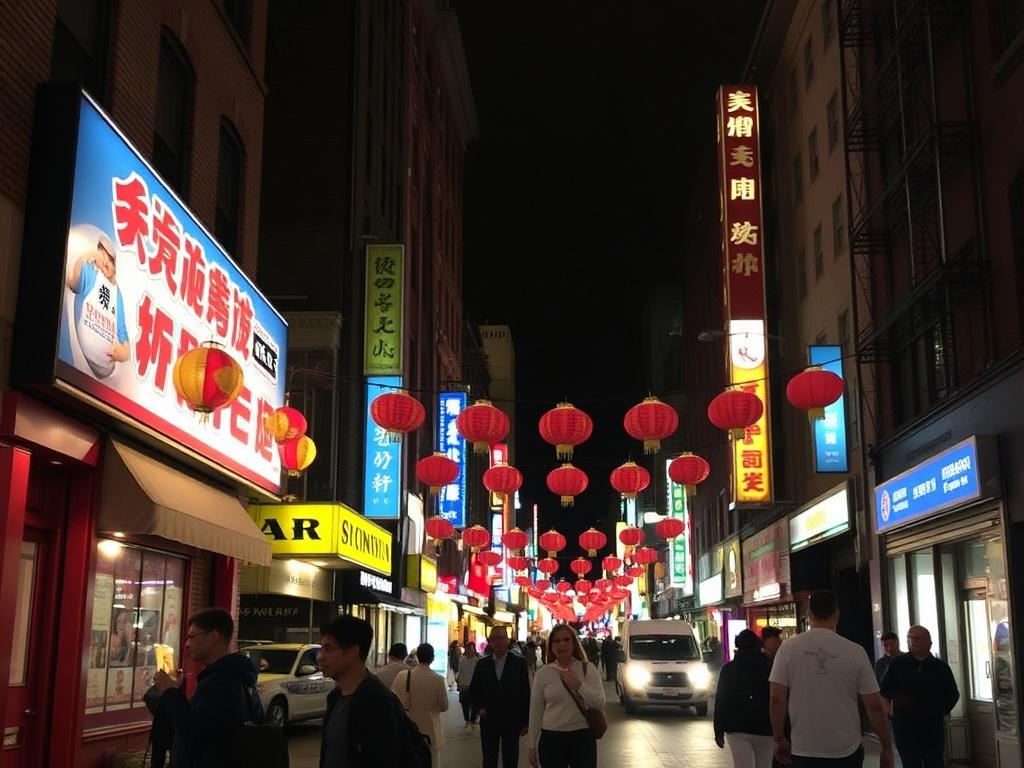
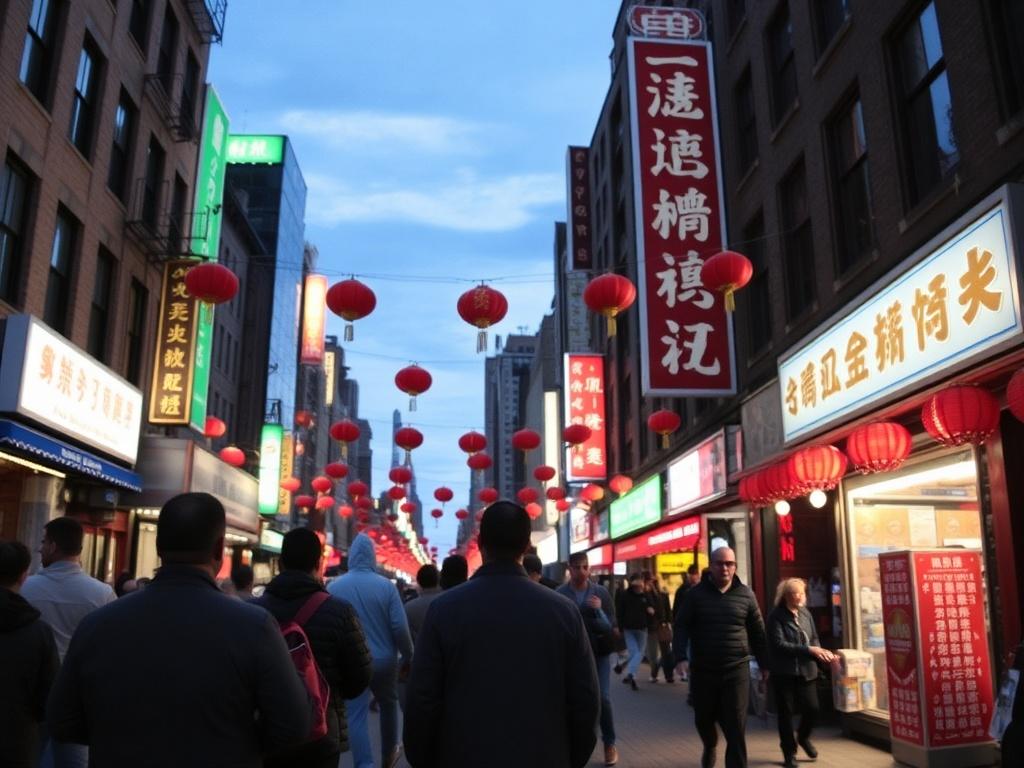
Consider abstract or symbolic imagery—neon signs, street scenes, storefront facades—that conveys atmosphere without exploiting individuals.
Resources and organizations that help
For those wanting to help or learn more, several organizations work in New York on issues of trafficking, immigrant support, and public health. These groups often offer volunteer opportunities, donation options, and reporting hotlines.
Local community health centers provide confidential services. Legal aid organizations can advise on workers’ rights and immigration concerns. Reaching out to these groups is often more effective than sensational social posts.
Final thoughts: moving from myth to constructive action
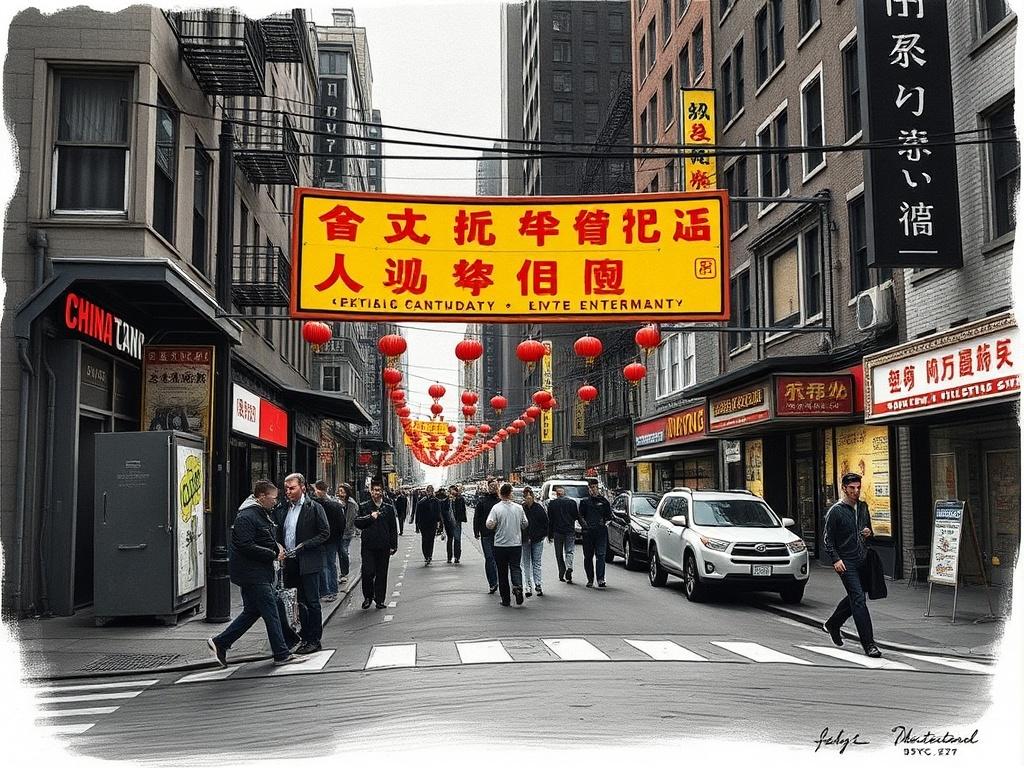
Chinatown’s story is not reducible to a catchy phrase. The shorthand “happy ending chinatown nyc” may tempt headlines, but it obscures the human and policy complexity beneath the neon.
If we want safer streets and fairer lives, the work is practical and patient. It involves clarifying laws, expanding health and legal services, supporting community initiatives, and insisting on ethical representation in media and photography. That steady, unflashy work is what changes neighborhoods for the better.
Comments are closed.