
Touch Beneath the Skyline: A Practical Guide to Therapeutic Massage in Manhattan

In a city that moves at the pace of neon and subway echoes, a well-timed massage can be the pause that resets your day. This guide focuses on legitimate, licensed therapies offered in Manhattan and the surrounding boroughs, where skilled therapists blend science with touch to release tension, restore range of motion, and nurture a sense of calm. It’s not about showy rituals or sensational headlines; it’s about real techniques, safe practices, and choosing a path that suits your body and your schedule.
What makes massage in Manhattan unique
Manhattan isn’t just a place on a map; it’s a living ecosystem of wellness spaces. From quiet boutique rooms tucked behind residential buildings to sprawling spa sanctuaries in high-rises, the options are vast and varied. The city’s density brings a mix of traditions and approaches: European-style Swedish massage, Japanese shiatsu, sports-focused modalities, and deeply therapeutic work that targets chronic pain and mobility issues. The advantage here is access to highly trained therapists who bring international training to local practice, often combining precision technique with a nuanced understanding of posture, ergonomics, and stress physiology.
Yet the abundance can be overwhelming. A good starting point is to align your choice with clear goals: relief from a specific injury, stress reduction, better sleep, or endurance for athletic training. When you know what you want to accomplish, you can compare modalities, ask about therapist specialties, and plan sessions that fit your life—commuting, meetings, or a post-work unwind. The right session feels seamless, almost like the body remembers what it needs, and the mind finds room to breathe.
Licensing, safety, and ethical standards
In New York State, massage therapists are licensed professionals. A Licensed Massage Therapist (LMT) has completed an approved program, passed a state exam, and adheres to ongoing continuing education requirements. This framework exists to protect clients and to ensure that practitioners work within evidence-informed boundaries. When you book, you should be able to verify a therapist’s license, know the facility’s accreditation status, and understand the policies around safety, sanitation, and consent.
Beyond credentials, look for transparency about technique, pressure preferences, and any medical considerations. A reputable therapist will discuss your health history, current medications, and any contraindications before the session begins. They should clearly explain what they’re doing, check in about comfort levels during the massage, and respect boundaries at all times. If you ever feel uncomfortable, you have every right to pause, adjust, or end the session. Professional ethics rests on consent, respect, and clear communication.
What to check before you book
The simplest checks often lead to the best experiences. Confirm that the space is clean, private, and well-lit, with comfortable tables and proper draping. In a licensed setting, you should expect plain draping that preserves modesty while allowing access to the area being worked on. Ask whether the therapist practices with gloves for certain procedures or if client comfort will be maintained with standard hygienic draping. If you have allergies or sensitivities, bring this up ahead of time so the therapist can adjust oils or lotions accordingly.
Another practical step is to read recent client reviews focusing on professionalism, punctuality, and the therapist’s ability to tailor sessions. Long-term relationships with a single therapist can be incredibly beneficial, but in a busy city, you may also want a trusted studio that can accommodate your schedule and route changes. The bottom line: choose a space that values safety, consent, and clear, respectful communication as core principles.
Popular modalities in Manhattan

Manhattan’s massage landscape covers a spectrum from gentle relaxation to deep structural work. Understanding the basics helps you match a session to your body’s needs while avoiding the confusion that can come with unfamiliar terms. The following modalities are among the most commonly offered in urban studios and medical clinics alike.
Swedish massage emphasizes long, gliding strokes, lighter to moderate pressure, and a focus on improving circulation and relaxation. It’s an accessible entry point for many clients, especially when stress holds the shoulders tight and the mind restless. Deep tissue work, in contrast, targets deeper layers of muscle and fascia. It’s beneficial for persistent soreness, postural problems, and injuries, but it may lead to temporary soreness as knots are released.
Sports and therapeutic massage tailor techniques to athletes or clients recovering from injuries. Expect targeted work on specific muscle groups, combined with stretching and range-of-motion work. Myofascial release and trigger-point therapy focus on fascia and tight spots that refer pain elsewhere in the body. These approaches can produce profound relief, often requiring careful communication about pressure and tolerance.
| Modality | What it targets | Typical duration | Notes |
|---|---|---|---|
| Swedish | Relaxation, circulation | 60–90 min | Light to moderate pressure; good for beginners |
| Deep Tissue | Muscle tension, adhesions | 60–90 min | Firm pressure; may cause temporary soreness |
| Sports/Therapeutic | Performance, recovery | 60–90 min | Targeted work; combines modalities |
| Trigger Point/Myofascial | Focal points, fascia | 45–75 min | Precise, sustained pressure |
Choosing the right studio or therapist in NYC
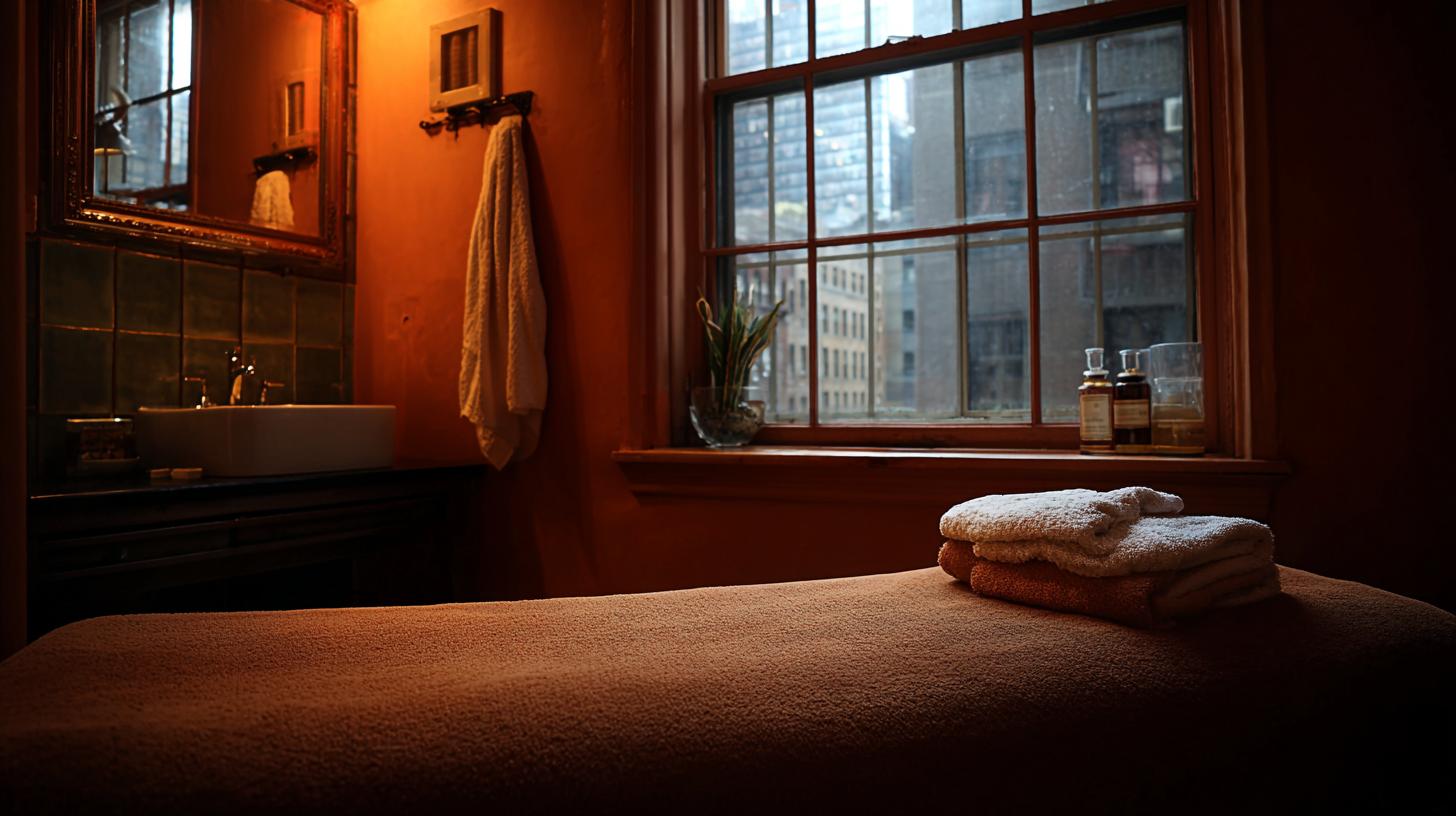
With so many options, a thoughtful approach helps you avoid misaligned experiences. Start by identifying your goals: pain relief, stress management, or performance enhancement. Then look at therapist bios to find specialists who list injuries, conditions, or activities relevant to you. Some studios emphasize medical massage or physical therapy integration, while others celebrate a holistic, relaxation-driven approach. Decide what balance of science and comfort you want for your sessions.
Before you commit, consider these practical steps. Check licensing and credentials through official state sources or trusted review platforms. Visit the facility if possible; note the cleanliness, the setup of treatment rooms, and privacy measures. Ask about the therapist’s experience with your particular condition or sport. Understand pricing tiers, cancellation policies, and what happens if you’re not satisfied with a session. A transparent studio will welcome questions and provide clear answers without pressuring you into a rushed decision.
Some clients prefer a therapist who can tailor sessions around a medical plan, collaborating with physicians, physical therapists, or trainers. Others seek a quieter, spa-like ambiance with longer sessions that emphasize relaxation and breathing. Both paths can be deeply rewarding when the practitioner communicates well, respects boundaries, and follows a client-centered approach.
What to expect in a session
A typical session begins with a brief intake and goal discussion. You’ll be asked about areas of tension, recent injuries, medications, and any sensitivities to pressure or oils. The therapist will propose a plan and confirm pressure preferences before starting. Throughout the session, you should feel comfortable asking for more or less pressure, adjusting the tempo, or focusing on a particular area.
During the work, expect a mix of strokes, kneading, and stretching techniques. Some sessions integrate light joint mobilizations or assisted range of motion, depending on your goals. The room should feel safe and respectful, with a comfortable temperature, soft lighting, and appropriate music or silence according to your preference. After the massage, a brief period of rest or gentle conversation often helps the body transition back into daily activity.
It’s common to feel a sense of looseness in the shoulders, improved breath, or a light post-session fatigue. Hydration afterward supports the cleansing processes that occur during a massage. If you have a specific plan—like a workout later in the day—mention it so the therapist can tailor the release and timing to your schedule. A well-conducted session leaves you feeling restored rather than overwhelmed.
Self-care after a session
Recovery is an essential part of the massage journey. Drink water to support lymphatic movement and tissue hydration. Gentle movement—short walks or light stretching—helps prevent stiffness and keeps circulation active. If you experience delayed soreness, a warm bath or a light heat application can ease these sensations. Most clients find that a single session provides noticeable relief, while a regular schedule compounds the benefits over weeks and months.
Nutrition, sleep, and stress management can influence the effects of massage as well. A well-nourished body processes toxins and waste products more efficiently after a release, so pair your sessions with balanced meals and steady sleep. If you’re dealing with chronic pain, maintain open communication with your therapist and your medical team to adjust frequency and techniques as needed. The routine becomes a part of your overall wellness strategy, not a one-off event.
Pricing, accessibility, and value
Pricing in Manhattan varies widely, reflecting location, facility quality, therapist expertise, and session length. Expect higher rates in luxury spas and boutique studios, with more moderate options in community centers and medical clinics. A good rule of thumb is to view price as a component of value: consider therapist qualifications, the fit of the modality with your goals, and the level of safety and professionalism offered by the studio.
Many studios offer package deals, membership programs, or introductory sessions for first-time clients. If you’re budget-conscious, consider a plan that covers essential maintenance while reserving more intensive sessions for peak recovery periods. Remember that tipping norms in the market can vary, but fair tipping often reflects the quality of care and the therapist’s attention to your comfort and results.
Wellness trends and the NYC landscape

New York remains at the frontier of wellness, with studios experimenting with new approaches that blend traditional modalities with modern science. There’s growing interest in integrative therapies that pair massage with mindfulness, breathwork, and posture coaching. Some spaces incorporate recovery technologies like compression therapy or spa water rituals to create a holistic routine rather than a single treatment. The common thread across these trends is a patient-centered ethos: listening to the body, respecting boundaries, and delivering measurable improvements in function and mood.
Another notable development is the rise of transitional spaces that bridge medical and wellness care. Clients with acute injuries or chronic conditions often navigate a spectrum of providers, from chiropractors and physical therapists to licensed massage therapists who coordinate care plans. In Manhattan, where time is a currency, the most successful studios are those that offer clear pathways for ongoing care, convenient scheduling, and consistent quality across visits.
Personal story: a writer’s note from the city
As a writer who depends on long days of research, interviews, and the occasional sprint of deadlines, I’ve learned to value sessions that restore balance rather than merely soothe fatigue. A few years ago, a therapist in a midtown studio helped me address stubborn upper-back tension caused by laptop work and travel. We developed a routine that combined gentle Swedish work with targeted stretches for the chest and neck. The effect wasn’t instant drama; it was a quiet, incremental relief that kept returning week after week. The studio’s culture—professional, private, and respectful—made it easy to show up, reset, and leave ready to engage with the city again. That experience reinforced a simple belief: good massage is less about escape and more about alignment—between body, mind, and daily rhythm.
Another moment came during a greenspace recovery day after a long run. A sports massage therapist helped loosen tight calves and IT band fibers, then explained how to extend the effects with post-run routines. It wasn’t a flashy revelation, just practical guidance that transformed training days from a grind into a sustainable rhythm. In a city built on momentum, those small, reliable improvements can be the difference between pushing through and knowing when to rest.
Practical tips for a successful visit
To maximize every session, keep a few tips in mind. Communicate your goals clearly at the start, then give feedback as the work progresses. If you’re new to a modality, ask for a brief on what to expect in terms of pressure, duration, and breathing techniques. Bring water, arrive a few minutes early to settle in, and allow yourself a moment to adjust after the session before returning to busy streets.
Respect the professional boundaries that govern the space. Do not expect or request anything that falls outside the agreed-upon scope of practice. If a studio offers add-ons or extras, verify whether they are part of the service or additional charges, and ensure that all procedures comply with current safety standards. A mindful client contributes to the integrity of the experience for everyone involved.
Table of considerations: choosing a modality for your goals

| Goal | Recommended modalities | When to book | What to ask |
|---|---|---|---|
| General relaxation | Swedish, Aromatherapy add-ons | Weekly or biweekly | Pressure preference, fragrance sensitivities |
| Chronic stiffness or pain | Deep Tissue, Myofascial, Trigger Point | 1–2 times per week initially | Injury history, previous therapies |
| Athletic recovery | Sports, Neuromuscular techniques | Post-training blocks or race season | Target areas, recovery goals |
| Pre/postural changes | Postural assessment, Manual therapy combined with stretches | Regular check-ins | Body mechanics, home exercises |
Ethics, boundaries, and best practices
Ethics are the quiet engine behind every session. A therapist’s professional demeanor, consent-driven practice, and transparent communication create a safe space for healing. If you encounter any pressure to move beyond approved boundaries, or if you sense a lack of respect for your comfort, it’s appropriate to pause and reassess. Likewise, studios should have clear policies about boundaries, confidentiality, and client privacy. Respect for these standards isn’t optional; it’s fundamental to effective care and to the city’s wellness culture as a whole.
For clients exploring massage for medical or rehabilitative reasons, coordination with healthcare providers often improves outcomes. Therapists who share notes with your physician or physical therapist, with your consent, can help ensure that techniques support your treatment plan rather than conflict with it. In Manhattan, where wellness intersects with sports, business, and art, a thoughtful, coordinated approach often yields the best results.
Conclusion without the cliché
If you’re searching for relief, balance, and a sustainable approach to well-being in a city that rarely slows down, therapeutic massage offers a practical, evidence-based path. The best experiences come from licensed professionals who listen, adapt, and respect your body’s wisdom. In Manhattan, you’re never far from a space that can help you move more freely, sleep more soundly, and approach each day with a little more ease. The key is to start with a clear goal, choose a reputable space, communicate openly, and let the body guide you toward steady improvement.
As you explore the current landscape, remember that the most powerful sessions are the ones that feel like a partnership between you and the therapist. It isn’t about quick fixes or dramatic scenes; it’s about consistent practices, growing awareness of your own patterns, and a mindful approach to care. In the end, a well-timed massage in the heart of New York can be a quiet act of resilience—an affordable luxury that keeps you engaged with life, work, and the city you call home.
Comments are closed.