
The subtle art of massage gel: glide, grip, and healing touch

Choosing the right product to bridge hands and skin can change an ordinary rub into something restorative. This article unpacks how different formulations work, what ingredients matter, how to use them safely, and even how to make simple blends at home. Read on whether you’re a massage professional, a curious partner, or someone hunting for relief from stiff shoulders.
What massage gel is and why texture matters
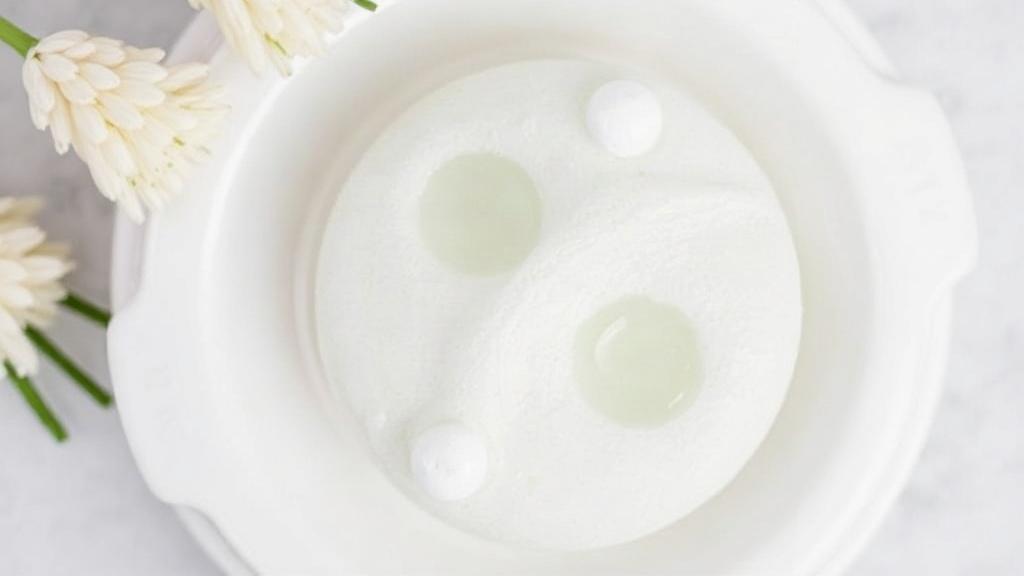
At its simplest, this category of product is a medium that reduces friction between the hand and skin while preserving enough control for targeted pressure. Texture determines whether a therapist can glide widely across a back, pin and stretch a tight muscle, or maintain precise contact over a tendon. A product that’s too slippery makes sustained pressure difficult; one that drags creates irritation.
Beyond lubrication, many formulations add cooling, heating, or anti-inflammatory agents, which can influence both sensation and therapeutic outcome. The feel matters psychologically as well; cooling menthol signals instant relief, while botanical aromas can calm a tense client. The right match between sensation and technique enhances both comfort and effectiveness.
Understanding these differences lets you select products for specific goals—loosening tight fascia, soothing inflamed tissues, or preserving a gentle, long glide in relaxation work. It also helps explain why therapists keep several jars or tubes on hand: a single product rarely fits every body and every approach. Practical choices come from knowing performance characteristics, not marketing claims.
Common types of formulations
Products fall into broad families: water-based gels, oil-based lubricants, silicone-rich serums, and hybrid emulsions that aim for the best of both worlds. Each group behaves differently on the skin, absorbs at different rates, and reacts differently to cloth, towels, or equipment such as cups and heat stones. Picking a family starts with the technique you plan to use and any skin or sanitary constraints.
Water-based gels deliver light-to-moderate glide and usually absorb faster, leaving less residue. They are a strong choice when you want a clearer hand-skin connection and easy cleanup, which is why many clinical settings prefer them. Those seeking a longer glide without frequent reapplication might favor silicone or oil blends.
Oil-based lubricants provide sustained glide but can stain fabrics and feel heavier on the skin. They often contain natural oils—almond, jojoba, or coconut—that have their own skin benefits. Silicone variants are prized for long, silky glide, low absorption, and resistance to oxidation, but they’re less compatible with some tools and can be hard to wash out of linens.
Water-based gels: features and best uses
Water-based products are typically built around humectants like glycerin and thickeners such as carbomer, giving a clear, gel-like feel. They tend to be non-greasy and rinse clean with soap and water, which makes them useful in settings where hygiene and quick turnover are priorities. For short sessions or techniques requiring quick regripping, they’re often ideal.
These gels may incorporate cooling agents or herbal extracts and can be formulated to be non-staining. Their main limitation is evaporation or absorption, which sometimes requires reapplication during long sessions. That trade-off is easy to manage if you plan your technique or keep a small pump bottle nearby.
Oil-based and natural oil blends
Oil-based options include single oils, blended carrier oil formulas, and purpose-made massage oils with botanical extracts. They provide sustained glide and a plush, nourishing feel that some clients prefer, especially for relaxation massage. Natural oils can impart skin benefits—moisturizing, softening, and creating a protective emollient layer.
Practical downsides are fabric staining and a heavier sensation that may not suit everyone. Some oils—especially nut oils—carry allergen risks, so professionals and home-users must disclose ingredients. Oils also interact poorly with certain tools and are not suited for applications requiring strong suction like some cupping approaches.
Silicone-based products and specialty serums
Silicone formulations, often containing dimethicone or cyclomethicone, deliver unmatched slide and a velvety finish that lasts without needing frequent topping up. They are especially useful for deep tissue work where long, uninterrupted glides are important and for certain instrument-assisted techniques. Their water-resistance also makes them useful for treatments that involve moisture or sweat.
However, silicones can be harder to remove from towels and may not break down easily in wastewater systems, raising environmental questions. They also create a barrier on the skin, which some may find occlusive or uncomfortable if they prefer a naked-skin sensation after a session. For these reasons, many therapists reserve silicones for specific needs.
Key ingredients and how they affect performance
Beyond the broad oil vs. water dichotomy, individual ingredients shape sensation, efficacy, and safety. Humectants attract water to the skin, oils nourish, thickeners control consistency, and active botanicals lend heating or cooling sensations. Knowing ingredient roles helps you predict how a product will act when warmed by hands or applied to a heated back.
Manufacturers layer ingredients to balance glide, absorption, shelf life, and user experience. For instance, adding a touch of silicone to a water-based gel can extend glide without shifting to an oily residue. Conversely, adding too many humectants can leave a tacky finish as they pull moisture from the surface.
Reading labels with a functional lens—asking what each ingredient contributes—keeps decisions practical rather than cosmetic. This is especially important for people with sensitive skin or allergies, where a single botanical extract might be the difference between relief and irritation.
Humectants and thickeners
Glycerin, propylene glycol, and hyaluronic acid are common humectants that help the product feel slick and maintain moisture at the skin surface. Thickeners like carbomer and xanthan gum create the gel texture and stabilize the formula. Both classes help control slip and give the product predictable handling.
Humectants can be double-edged: in low-humidity environments they may pull moisture from the deeper skin layers and leave a dry sensation, while in humid climates they feel lush. Thickeners determine whether a gel behaves like a slick fluid or a more cohesive paste, influencing how hands interact with tissue.
Oils, esters, and emollients
Carrier oils such as sweet almond, jojoba, or fractionated coconut oil supply nourishment and prolonged glide. Esters—synthetic or naturally derived—offer a lighter, less greasy feel than full oils and are often used in premium blends to simulate oil glide while absorbing more readily. Emollients buffer against irritation and leave skin feeling soft after a session.
Different oils have different lipid profiles, which affects absorption rate and residue. For example, jojoba behaves more like the skin’s natural sebum and absorbs differently than heavier oils like olive. Those details inform whether a product is best for a moisturizing spa treatment or a clinical deep-tissue session.
Active botanicals and counterirritants
Menthol, camphor, arnica, capsaicin, and eucalyptus are common additions for their cooling, warming, or anti-inflammatory properties. Menthol produces a cooling sensation by activating cold receptors, while capsaicin creates warmth by influencing heat receptors. Artemisia, arnica, and willow bark offer varying degrees of anti-inflammatory or analgesic activity, though clinical effects depend on concentration and delivery.
These actives boost perceived effectiveness but also increase risk of irritation or sensitization. Lower concentrations are conservative for general use; professionals often opt for stronger formulations only when contraindications are ruled out and the client consents. The sensory cues from these ingredients can be powerful tools when used thoughtfully.
Preservatives and shelf-life agents
Because many modern formulations contain water, preservatives such as phenoxyethanol, ethylhexylglycerin, and parabens are used to prevent microbial growth. Without adequate preservation, a gel can become contaminated and dangerous. Transparent labeling and reputable sourcing help users avoid unsafe or expired products.
Natural preservatives exist, but they often require careful formulation work to be effective. Consumers who prefer “preservative-free” products should understand that such items may have shorter shelf lives or require single-use packaging to remain safe. Storage and hygiene practices are as important as the ingredients themselves.
How to choose the right product for your needs
Selection depends on technique, client skin type, session length, and cleanup preferences. Therapists need different performance characteristics than someone giving a quick at-home shoulder rub, and both have distinct hygiene and allergy considerations. A few minutes of planning prevents mismatches between product and purpose.
Start by defining priorities: long glide, deep tissue grip, skin hydration, or minimal residue. Then narrow choices by ingredient sensitivities, whether linens must remain stain-free, and environmental or ethical considerations. Trialing a small bottle before committing to large volumes is smart and cost-effective.
When in doubt, consult the product’s technical data or ask manufacturers about specific ingredients and compatibility with tools like cups or hot stones. Professionals often keep a set of trusted staples—one water-based gel, one oil blend, and a specialty silicone or medicated option—to meet most demands without overcomplicating inventory.
For therapists and clinics
Clinics prioritize hygiene, efficiency, and cost-per-session. Products that rinse easily and don’t quickly become rancid or contaminated are preferred. Bulk buys make sense only if packaging allows hygienic dispensing and the formulation holds up across many uses.
Therapists also think about client communication: listing ingredients, noting allergen risks, and asking clients about topical sensitivities is routine. A small “product facts” sheet or label near the treatment table reassures clients and speeds intake conversations.
For home users and partners
Home users usually want simplicity: a product that smells pleasant, doesn’t stain sheets, and doesn’t irritate. Single-bottle solutions that offer mild glide and easy cleanup are often the best choice for casual use. Keep an eye on claims and avoid products that promise dramatic therapeutic outcomes without substance.
Practical concerns such as shelf life, packaging type (pump vs. jar), and whether the product will see occasional or frequent use should guide the purchase. A small pump bottle is less likely to be contaminated than a communal jar that invites repeated finger-dipping.
For sensitive skin and allergy-prone folks
If skin reactivity is a concern, choose unscented, hypoallergenic formulations with short ingredient lists. Patch testing new products becomes essential when past reactions have occurred. Avoiding common allergens—nuts, gluten-containing extracts, and strong essential oils—reduces risk substantially.
When treating children, elderly clients, or compromised skin, opt for minimal, clinically vetted formulations and consult healthcare professionals when in doubt. A conservative approach protects both client and practitioner from unnecessary complications.
Technique: how to apply and manage glide effectively
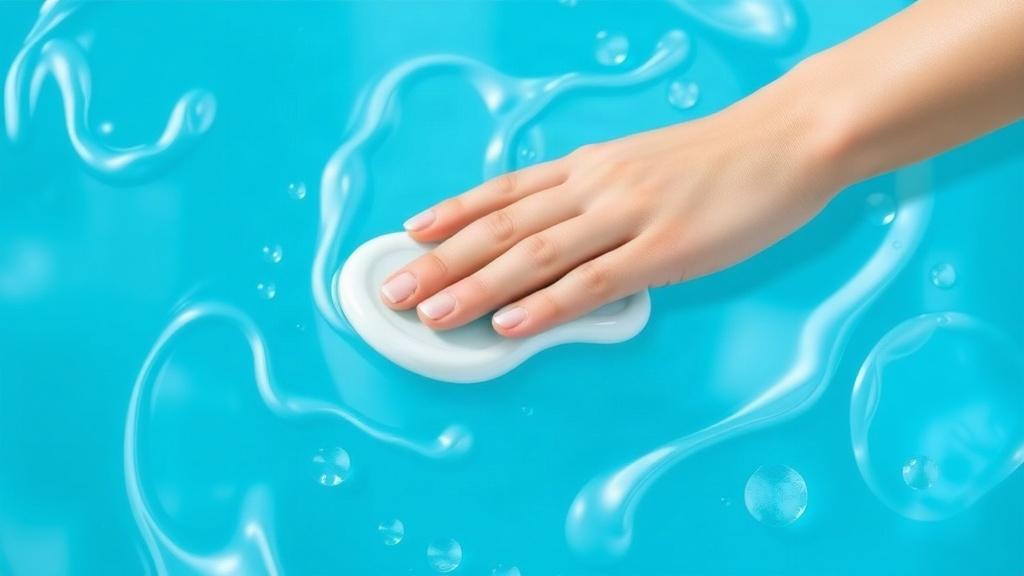
Application technique matters as much as the product. Warm the product in your palms, apply in a directional way that follows muscle fibers, and adjust pressure based on slip and tissue response. Think of the product as a partner in touch, not a substitute for technique.
Begin with a small amount and add more as needed; excess product is harder to remove than a slightly dry spot that can be topped up. Use the body’s contours to distribute glide: long forearm strokes for wide glides, fingertips and thumbs for precision, and knuckles for friction. Match stroke length and pressure to the formula’s behavior.
Be mindful of client feedback—verbal cues and nonverbal tension reveal whether the level of slip is appropriate. When active ingredients are present, warn the recipient about cooling or warming sensations and monitor for any uncomfortable burning or itching. Adjust or remove the product at the first sign of adverse reaction.
Step-by-step application for a 30-minute back session
Start by warming a small amount in your hands to avoid a cold startle on the client. Apply with broad, gentle strokes to distribute the product evenly, saving localized heavier pressure for later. Reapply in small increments rather than liberally at the beginning to maintain control over pressure and glide.
Shift from broad effleurage to focused petrissage as muscle tension warrants, adapting the amount of product as you change techniques. If you reach a dry spot during deep work, use shorter, controlled replenishments rather than sweeping on a load of new product. End the session with lighter strokes to redistribute oils and leave the skin feeling balanced rather than slick.
Tool compatibility and special considerations
Not every product plays nicely with every tool. Oils and silicones can interfere with vacuum-based cups, while thick gel residues may gum up gua sha tools. Check compatibility before using heated tools or devices that require a certain coefficient of friction. Manufacturers often provide guidance for such combinations.
When using tools, choose products with predictable behavior under pressure and movement. For example, a silicone-rich serum offers sustained glide for instrument-assisted soft tissue mobilization, whereas a water-based gel may be a better match for short, high-friction scraping. Knowing these pairings saves time and reduces equipment wear.
Safety, allergies, and patch testing
Safety begins with understanding ingredients and acknowledging individual variation. Even seemingly mild botanicals and “natural” oils can trigger reactions in sensitized individuals, and essential oils are frequent culprits. A careful intake and a small patch test are inexpensive steps that prevent larger problems.
Avoid applying products over broken or inflamed skin unless a product specifically indicates suitability for those conditions. Similarly, certain active ingredients—like capsaicin or strong menthol concentrations—are contraindicated near mucous membranes and the eyes. Always keep emergency wash provisions available in case of accidental contact.
When in a clinical setting, maintaining logs of product batches and client reactions helps track patterns and protect both client and practitioner. For home users, a record of which products caused reactions and where can inform future choices and discussions with medical providers.
How to perform a safe patch test
- Choose a small, discreet area of skin—inner forearm works well—and apply a pea-sized amount of the product.
- Cover the area with a bandage if desired, and leave the product in place for 24 hours or follow manufacturer guidance.
- Check at one and 24 hours for redness, itching, burning, or other signs of sensitivity; if any occur, wash immediately and avoid future use.
Patch testing isn’t foolproof—some delayed reactions can appear after repeated exposure—but it’s a sensible first line of defense. If serious symptoms develop, seek medical attention and report the reaction to the product’s manufacturer.
DIY recipes and precautions
Making simple blends at home can be economical and satisfying, but homemade products have short shelf lives and higher contamination risk without proper preservatives. Simple mixes are useful for single-use or small-batch applications, such as a quick post-workout rub or a weekend spa night. For anything intended to be stored long-term, proceed with caution or consult a cosmetic formulator.
Basic DIY recipes rely on a few familiar ingredients: a carrier oil for glide, a light emulsifier if you want a creamier texture, and optional essential oils for scent and function. Keep quantities small, label containers with date and ingredients, and store in a cool, dark place. Discard any mixture that smells off or changes texture.
Hygiene is critical: use clean utensils, bottles, and hands throughout preparation. Avoid using water unless you add an effective preservative system, as water invites bacterial growth. If you plan to sell or gift homemade products, familiarize yourself with local cosmetic regulations and liability considerations.
Three simple at-home blends
| Recipe | Ingredients | Notes / Shelf life |
|---|---|---|
| Soothing oil | 2 oz jojoba oil + 5 drops lavender essential oil | Good for dry skin; store 6-12 months in amber bottle |
| Cooling rub | 2 oz fractionated coconut oil + 5 drops peppermint + pinch menthol crystals | Use sparingly near sensitive areas; shelf life 6 months |
| Light glide gel | 1/4 cup aloe vera gel + 1 tbsp glycerin + 5 drops tea tree | Short shelf life; refrigerate and use within 2 weeks |
These recipes are for occasional personal use. The aloe-based gel offers a water-like feel but requires refrigeration and rapid use unless you add a preservative. Oils are longer-lasting but carry allergen considerations.
Precautions when making your own blends
Never assume essential oils are harmless; they are potent and can be sensitizing, particularly in undiluted form. Use conservative dilution ratios—typically 1% to 2% for body application—and avoid strong sensitisers in massage contexts. Pregnant people, children, and those with chronic illnesses require especially careful selection and often professional guidance.
Label everything clearly with ingredients and date prepared, and keep an eye on changes in smell, color, or texture. When doubt arises, discard. The consumer risk with DIY products tends to stem from microbial growth or unexpected allergic reactions rather than the base ingredients themselves.
Environmental and ethical considerations
Sustainability concerns increasingly influence product choice. Ingredients like palm oil have ecological impacts, while certain silicones resist breakdown in wastewater and raise questions about long-term environmental persistence. Packaging—single-use plastic versus refillable pumps—also factors into the overall footprint.
Many manufacturers offer responsibly sourced botanicals and recycled or refillable packaging; others greenwash claims without meaningful action. When sustainability matters to you, look for transparent sourcing statements, third-party certifications, and refill or bulk programs that reduce waste. Small actions—choosing refillable bottles, for example—add up.
Ethical considerations extend to animal testing and fair labor practices. Cruelty-free labels and certifications can guide consumers who prioritize those values, but do your homework: terminology and standards vary. A transparent company will provide clear policies and supply-chain information on request.
Storage, shelf life, and when to toss
Proper storage preserves performance and prevents contamination. Keep products in cool, dry locations away from direct sunlight, and use opaque packaging when possible to protect-sensitive actives. Pumps and tubes reduce direct hand contact, extending usable life compared with open jars.
Shelf life varies: water-based gels typically last 6–12 months unopened and shorter once opened, while oil-based products can remain usable for a year or longer if stored properly. Look for “best by” dates, and trust your senses—off odors, separation, or mold are clear signs to discard. Never risk applying suspect products to compromised skin.
When in a professional setting, rotate stock based on purchase date, and avoid decanting large amounts into shared containers without single-use measures. Small changes in temperature and repeated opening accelerate degradation, so plan inventory with realistic consumption rates.
How these products differ from oils and lotions
Gels occupy a middle ground between lightweight lotions and full oils: they offer palpable slip while often absorbing more quickly than pure oil. Lotions tend to be emulsion-based and more moisturizing, leaving a film that nourishes but may reduce friction over time. Oils offer maximum sustained glide but with heavier residue and staining potential.
Understanding these differences helps match product to method: choose lotions for intensive skin hydrations, oils for long continuous glide, and gels for a balance of control and cleanliness. The wrong choice can blunt technique—too much absorption and you lose glide; too little and you sacrifice control.
For certain applications—clinical assessments, cupping, or instrument-assisted work—compatibility matters as much as feel. Gels that dry to a tacky residue can interfere with suction-based therapies, while oils may prevent adequate vacuum formation. Always consider downstream treatments when selecting a base product.
Common myths and misconceptions
One myth is that more slip always equals better therapy. In truth, excessive slipperiness reduces the practitioner’s ability to target deeper tissues and can lead to overpressure in unintended areas. The skill lies in matching glide to intent, not maximizing it indiscriminately.
Another misconception is that “natural” automatically means safer. Natural components like nut oils and certain essential oils can be powerful sensitizers and allergens. Safety depends on concentration, delivery, and individual sensitivity, not the origin of the ingredient.
Finally, people often assume water-based equals gentle. While many water-based gels are designed for sensitive skin, they can contain humectants or preservatives that irritate some users. Read labels and patch test; assumptions about gentleness can mislead.
Real-life examples from practice
As a writer who has spent time shadowing clinics and practicing simple techniques at home, I’ve seen the importance of product choice firsthand. In one small clinic, the therapist kept a three-product rotation and switched depending on whether the client wanted relaxation, deep tissue, or a sports-focused session. The difference in outcomes was striking—clients reported less bruising and more targeted relief when the product matched the method.
At home, I learned to keep a lightweight water-based gel on the bathroom shelf for quick neck rubs and a small amber bottle of jojoba for weekend full-body work. A single experience—applying a cooling menthol gel after a long run—convinced me how much a targeted sensation can complement manual technique. Those small habits made casual care more effective and less messy.
Where to buy and what to avoid
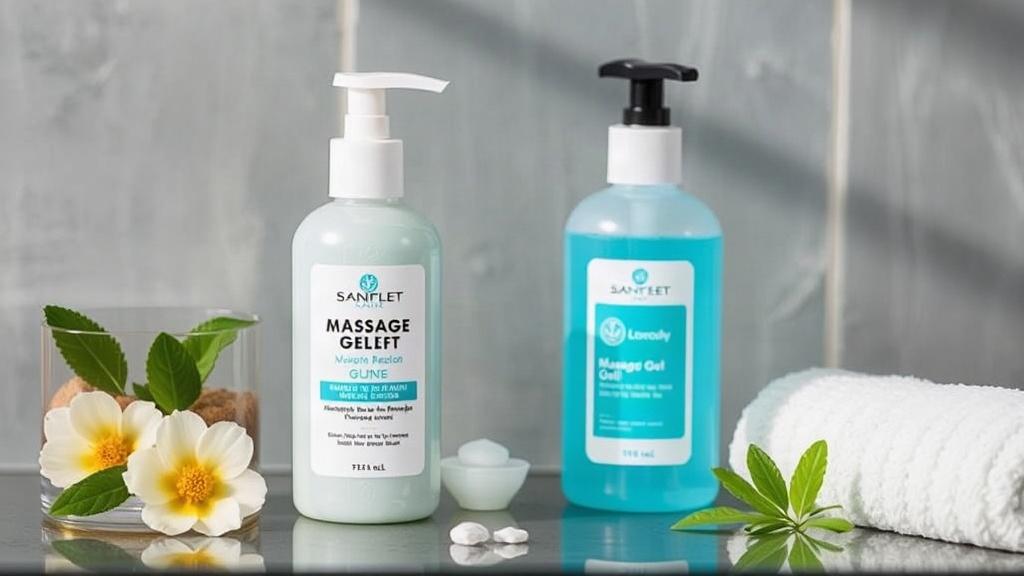
Buy from reputable suppliers with transparent ingredient lists and, if you’re a professional, suppliers that support clinical-grade formulations and bulk options. Avoid products that hide ingredients behind “proprietary blends” or that make implausible medical claims without evidence. Reviews can help but prioritize clear labeling and company responsiveness to questions.
Avoid cheap, unlabeled products from uncertain sources—especially those sold in bulk without clear preservation or manufacturing standards. For specialty needs like medicated or sports formulas, choose products tested for those uses or formulated by companies with clinical expertise. When cleanliness and client safety are at stake, cutting corners can cost more than saving a few dollars.
Wrapping your practice around what works
Deciding on the right formulation is a practical process: identify your goals, understand ingredient roles, test small, and prioritize safety and sustainability. There’s no single universal product that fits every body and every technique, which is why experience and experimentation matter. Keep a small, reliable toolkit and refine it based on outcomes and feedback.
Whether you’re a professional building a practice or someone looking to improve at-home care, informed choices lead to better results. Focus on compatibility with technique, client comfort, and responsible use, and the right product will amplify the power of touch rather than mask it. With a bit of attention, the medium becomes an elegant extension of the hands.
Comments are closed.