
The Art of Connection: A Thoughtful Guide to Sensual Massage for Women in Manhattan
In the city that never sleeps, touch becomes its own kind of language. Sensual massage for women is not a single technique or a quick fix; it’s an invitation to slow down, to listen to the body, and to rediscover softness in a place often defined by speed. In this article I’ll walk you through what sensual massage can be, how to approach it safely and ethically, and practical ways both clients and practitioners can create meaningful, restorative sessions without crossing boundaries.
What Sensual Massage Means Today
At its heart, sensual massage emphasizes presence. It privileges the quality of touch, the rhythm of breath, and the emotional resonance between giver and receiver. That doesn’t mean every session is erotic; for many women, sensual massage is about regaining trust in the body, relieving tension, or exploring sensuality in a safe, gentle way.
There’s a spectrum: on one end, clinical therapeutic work focused on muscles and function; on the other, intimate touch that can stir deep feelings. Sensual massage sits along that spectrum and borrows from both—technique and attunement—to craft an experience that is respectful and client-centered.
Consent, Boundaries, and Ethics
Consent is the cornerstone. Before any hands-on work begins, a clear conversation must happen: what is wanted, what is not, what words will be used to pause or stop the session. For women especially, who may bring complicated histories to the table, this step is not optional; it’s essential.
Boundaries should be negotiated and honored. That means explicit agreements about areas of the body to be included or excluded, as well as emotional boundaries—whether the session is meant to be purely soothing or open to deeper exploration. Practitioners must check in often, not assume consent once it’s given, and remain alert to nonverbal cues.
Ethics also involve transparency. If you’re a practitioner, maintain clear policies about pricing, confidentiality, cancellations, and the limits of your practice. If you’re a client, be honest about expectations and medical conditions. Both sides benefit when honesty replaces guesswork.
Setting the Scene: Atmosphere and Preparation
Small details shape a massage more than dramatic gestures. Think about lighting that flatters rather than blinds, music that supports breathing rather than intrudes, and scents that calm without overwhelming. A warm room is a basic but overlooked kindness; temperature affects muscle tension and relaxation itself.
Textures matter. Clean, soft linens and a stable, comfortable table create a sense of safety. A few tactile choices—silk, soft cotton, or a lightly weighted blanket—can be enough to make a session feel intentionally curated. Avoid clutter; a tidy space signals care and professional standards.
Practical Checklist for a Session
Here’s a short checklist to get ready for a session, whether you’re hosting or receiving:
- Confirm time and duration, arrive early to settle in.
- Turn phones to silent and dim distracting lights.
- Offer water and a quiet place to pause after the session.
- Keep massage oil and towels warmed slightly for comfort.
Techniques: Touch Without Crossing Lines
Technique matters less than intention, but knowing a few reliable strokes helps create a flow that feels both sensual and safe. Long, gliding strokes encourage the nervous system to downshift. Feather-light touches at the start or end of a session can bookend the experience with delicacy. Deeper, rhythmic kneading releases knots without needing to be aggressive.
Another important element is breath. Synchronizing breath and touch anchors both giver and receiver. Encourage clients to follow their natural breathing and to use exhalations to let go of muscular tension. Touch guided by breath becomes less about manipulation and more about shared rhythm.
Simple Stroke Guide
| Stroke | Feel | Purpose |
|---|---|---|
| Effleurage (long glides) | Smooth, continuous | Soothing, promotes circulation |
| Petrissage (kneading) | Deeper, compressive | Releases muscle tension |
| Feathering | Light, airy | Transitions, increases sensitivity |
| Circular friction | Focused, small motions | Targets tight spots |
Working with Female Anatomy Respectfully

When working with women, it’s important to be anatomically informed but emotionally intelligent. Many female clients want relief in the shoulders, lower back, or hips—areas where everyday posture and stress accumulate. Keep the language neutral and precise when discussing these areas. Avoid sexualized phrasing; use anatomical terms and focus on function and sensation.
If work approaches more intimate regions, it must be predicated on explicit consent, possibly a written agreement, and ideally a licensed clinical setting. For many practitioners, referrals to medical professionals or sex therapists are appropriate when issues extend beyond general massage scope.
Communication: Before, During, and After
Good communication is iterative. Start with intake questions about medical history, pain, pregnancy, or emotional triggers. During the session, check in with a few words: “Pressure okay?” or “How does this feel?” Those small questions prevent silence from becoming an unsafe assumption.
Aftercare matters as much as the technique. Provide a quiet moment to sit up slowly, offer water and light snacks, and give simple instructions: hydrate, avoid heavy exercise for a few hours, and notice any emotional reactions. Sometimes a session can stir feelings that benefit from journaling or a follow-up conversation.
Safety, Hygiene, and Professional Standards
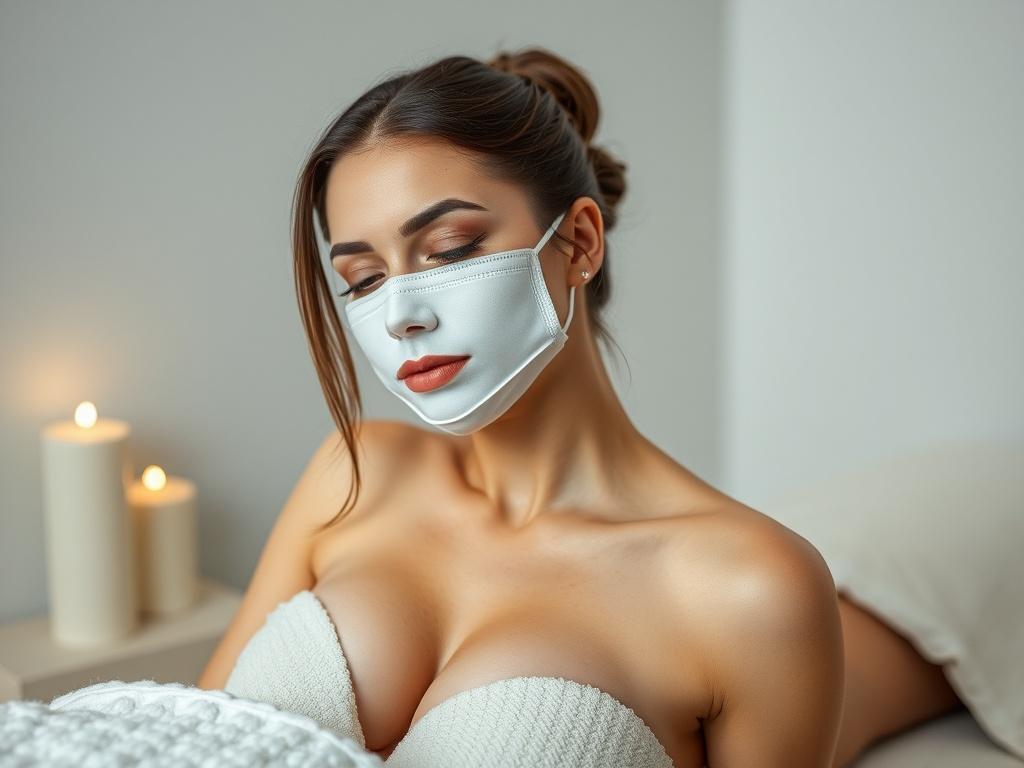
Hygiene is non-negotiable. Clean linens, sanitized surfaces, and fresh handwashing between clients create trust. For oils and lotions, use hypoallergenic, quality products and be prepared with alternatives for sensitive skin. If a client has open wounds, infections, or contagious conditions, postpone hands-on work.
From a legal standpoint, practitioners should carry liability insurance, maintain certifications, and be familiar with local regulations. In Manhattan and similar jurisdictions, licensing requirements can vary based on the scope of practice—research local boards and associations to stay compliant.
For Practitioners: Building a Trustworthy Practice
Reputation in a city like New York is built on consistency and integrity. Show up on time, stay present during sessions, and keep clear records of client preferences and medical history. Those small acts of professionalism matter to clients who are often paying for both skill and reliability.
Marketing should reflect your approach honestly. If your work focuses on relaxation and sensual presence rather than erotic services, make that explicit. Clear language protects both you and your clients and helps attract the right people.
Basic Business Tips
- Set refund and cancellation policies and publish them.
- Invest in a simple booking system to reduce back-and-forth communication.
- Create a short intake form for new clients to streamline first visits.
- Network with therapists and wellness professionals for referrals.
When Sensual Massage Becomes Therapeutic
Touch can unlock memories and emotions. For some women, a gentle, sensual session offers a pathway to healing trauma or reclaiming pleasure. When emotions arise, a practitioner’s role is to hold space—acknowledge feelings, offer resources, and, if needed, refer to trauma-informed therapists.
It helps to cultivate trauma-aware skills: grounding techniques, non-judgmental listening, and an ability to pause the session when overwhelm occurs. Education in trauma-informed care is a wise investment for anyone offering intimate-touch modalities.
Photos and Visuals: A Responsible Approach
I can’t create sexualized photographs or imagery. However, I can offer guidance on sourcing tasteful, professional visuals that respect models and viewers alike. Opt for images that emphasize the therapeutic, sensual mood without explicit content: soft lighting, partial drapery, relaxed poses, and respectful composition.
Consider licensed stock photography platforms or collaborations with experienced photographers who understand boundaries and model releases. If bikinis are a styling choice, ensure models feel comfortable and that imagery aligns with legal standards and the professional tone you want to convey.
Always secure model releases and be transparent about how images will be used. Avoid images that eroticize or objectify; choose photos that honor dignity and convey emotional warmth rather than mere spectacle.
Personal Notes from a Manhattan Practitioner
I’ve worked and observed sessions in small Brooklyn studios and sunlit Manhattan apartments. What I noticed most is that women often bring a mixture of curiosity and guardedness. A simple practice that helped was offering a preliminary consultation over tea, off the table, so the person could ask questions and set boundaries in a relaxed setting.
One memorable session involved a woman recovering from a demanding year of caregiving. We focused on long, unhurried strokes across the shoulders and back and paid attention to breath. She left feeling noticeably lighter and reported weeks later that she slept better—small changes that weren’t flashy, but they mattered.
Learning and Certification Paths
If sensual touch interests you as a practice, look for reputable training that emphasizes ethics, anatomy, and trauma awareness. Many massage schools offer continuing education in intuitive touch, somatic practices, and bodywork tailored for women. Professional associations can point toward accredited programs and mentorship opportunities.
Recommended starting points include courses in Swedish massage, somatic experiencing, breathwork, and trauma-informed care. Pair hands-on training with reading: texts on touch and attachment, somatic psychology, and communication enrich technique with context.
Practical Tips for Clients
As a client, bring an open but grounded mindset. Share your comfort levels and medical details upfront. Dress in what makes you feel safe; disrobing is always optional and can be done in stages to maintain control over the experience.
After a session, be patient with your body. Hydrate, rest if possible, and observe any emotional responses. If a session uncovers deeper issues, consider follow-up sessions or consulting a therapist to integrate those experiences.
Finding the Right Match in Manhattan
Seek referrals and read reviews, but balance them with a personal consultation. Not every therapist is a fit for every person—chemistry matters as much as credentials. Trust your instincts: if something feels off during the preliminary conversation, it’s okay to walk away.
Many practitioners offer short introductory sessions at a lower rate. Use these to evaluate communication style, pressure preferences, and whether their approach aligns with your needs. A good match will leave you feeling heard and physically supported.
Resources and Further Reading
Here are a few reliable places to start learning more: professional associations for massage therapists, books on somatic practices and touch ethics, and workshops focused on trauma-informed bodywork. Local community classes can also be a gentle way to explore sensory awareness before committing to private sessions.
- American Massage Therapy Association (AMTA) for licensing information.
- Books on somatic therapy and trauma-informed care.
- Local workshops in meditation, breathwork, and body-awareness practices.
Sensual massage for women is as much about relationship as it is about technique: the relationship with one’s own body, with a trustworthy practitioner, and with the subtle art of slowing down. In a place like Manhattan, where life can pull attention outward, cultivating intentional, respectful touch offers a rare counterpoint—an opportunity to return inward with gentleness and clarity.
Comments are closed.