
Thai massage: understanding the line between sensual and therapeutic
Thai massage often arrives in conversation wrapped in two very different impressions: a centuries-old healing art, and a whispered idea of something more sensual. Both perceptions can be true depending on context, but conflating them leads to misunderstandings and uncomfortable situations. This article walks through history, technique, etiquette, safety, and the subtle reasons people sometimes label Thai massage as sensual, so you can make informed choices whether you seek therapy, relaxation, or something shared with a partner.
What is traditional Thai massage?
Traditional Thai massage, or nuad bo-rarn, evolved over a thousand years with roots in Ayurvedic and Chinese medical thought as well as indigenous healing practices from the region. It blends acupressure, rhythmic compression along energy lines, and assisted yoga-like stretches to increase mobility, reduce tension, and balance the body’s energy. Sessions usually take place on a mat on the floor with the client fully clothed in loose, comfortable attire rather than on a table with oil.
The practice emphasizes a combination of pressure applied with hands, thumbs, elbows, knees, and feet and systematic stretching that resembles passive yoga poses. Practitioners work along sen lines—channels of energy—rather than focusing solely on isolated muscles, which gives the treatment a whole-body scope. For many recipients, this produces a sensation of deep release and lengthening rather than only localized relief.
Thai massage training historically included training in anatomy, healing philosophy, and often spiritual or meditative practices, depending on the lineage. Modern training programs vary greatly in length and depth, from short courses to yearlong apprenticeships, and the level of skill you experience will reflect that. When practiced well, it is an intensive, mindful modality rather than a superficial rubdown.
Why some people describe Thai massage as sensual

Physical contact, attentive touch, and the slow, rhythmic flow of movements can feel intimate, especially for people unused to prolonged non-sexual touch. The combination of close proximity, stretches that open the chest or hips, and the quiet, focused atmosphere of many spas can create a heightened bodily awareness that some interpret as sensual. That perception is not inherent to the technique but depends on context, practitioner intention, and client sensitivity.
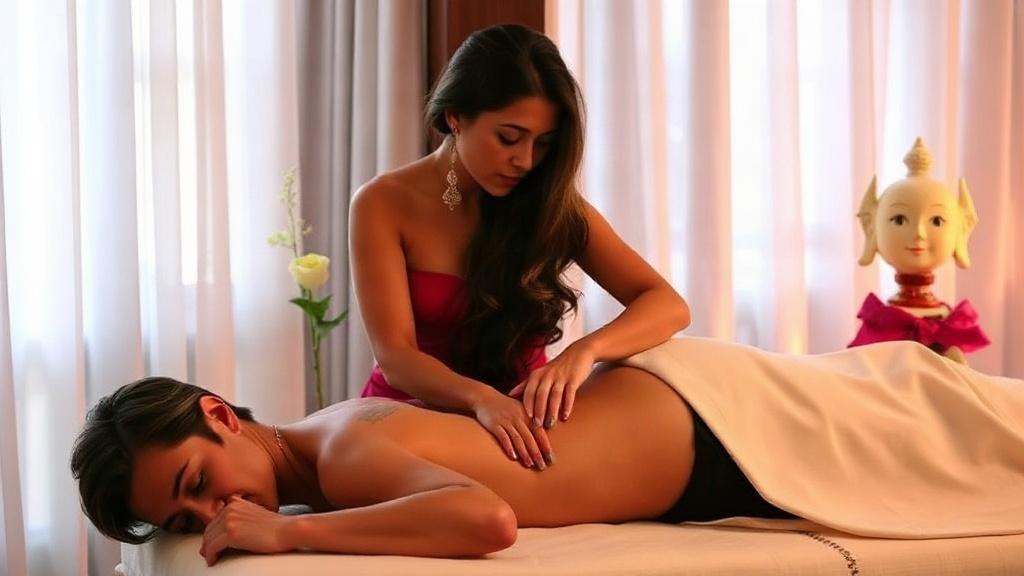
Ambiance plays a role: dim lighting, soft music, fragrant oils in adjoining treatment rooms, and gentle conversation can set a mood that feels private and personal. While traditional Thai massage typically does not use oils or a table environment, many contemporary spas blend styles, and those hybrid experiences can be perceived as more indulgent. Marketing and imagery also shape expectations, which is why searches for terms like “thai massage sexy” sometimes appear—people are trying to reconcile photos and promises with what actually happens in a session.
Culture and personal history influence interpretation, too. In cultures where touch is less common, a touch-based therapy can feel novel and emotionally charged. Similarly, past experiences—both positive and negative—inform how someone responds to close, intentional touch. Recognizing this helps avoid assumptions: what feels sensual to one person will feel purely therapeutic to another.
Separating therapeutic practice from erotic services
Clear boundaries and professional standards are the most reliable ways to keep Thai massage therapeutic. A competent practitioner communicates expectations before a session, asks about health conditions, explains the techniques they will use, and secures informed consent. They maintain a professional demeanor throughout and provide draping or clothing guidelines to preserve client comfort and safety.
Erotic services and therapeutic massage are distinct both ethically and legally in most places. Licensed therapists adhere to codes of conduct that prohibit sexual contact and require a safe, respectful environment. If a practitioner hints at or invites sexual activity, it is a red flag that the setting is not a legitimate therapeutic practice. Knowing the difference protects both client safety and the integrity of the massage profession.
If you encounter mixed messages—suggestive advertising, ambiguous pricing, or an unclear acceptance of requests that cross boundaries—trust your instincts and walk away. Ask questions up front about what is and isn’t included in a session, where the therapist trained, and whether the establishment is licensed or affiliated with recognized professional bodies. Transparency is a hallmark of professionalism.
How to choose a reputable therapist or spa
Start with credentials and referrals. Look for therapists who have completed accredited training programs or who are certified by recognized Thai massage associations. Word-of-mouth recommendations from friends, healthcare providers, or local wellness groups are invaluable because they reflect real experiences rather than marketing language.
Read reviews critically. Online platforms can reveal patterns—consistent mentions of professionalism, clear communication, and steady technique indicate a reliable establishment. Conversely, a preponderance of vague praise or oddly suggestive comments should prompt further inquiry. Don’t hesitate to call the spa and ask specific questions about the session format, what to wear, and the therapist’s background.
Observe the environment if you visit in person. A well-run clinic will offer a clean, calm waiting area, clear signage, and professional intake paperwork. Therapists who conduct proper consultations, document health history, and explain contraindications demonstrate standards of care that reduce risk and improve outcomes.
What to expect during a Thai massage session
Sessions commonly last between 60 and 120 minutes, with longer sessions allowing a fuller, more unhurried flow across the body. The therapist will usually begin with a brief intake to learn about pain points, injuries, medications, and areas to avoid. You’ll also be asked about your comfort with specific stretches and about pressure preferences so the session can be tailored to your needs.
Clients remain fully clothed in loose, comfortable garments such as yoga pants and a T-shirt. The practitioner moves through a choreographed sequence of compressions, joint mobilizations, and assisted stretches, adjusting pace and pressure according to feedback. Silence, soft music, or guided breathing may be part of the session, depending on the therapist’s style.
At the end of the treatment the therapist typically offers water and brief aftercare advice—hydration, rest, and suggestions for self-care stretches. They may suggest a follow-up schedule if chronic issues were addressed. This debrief is an important part of responsible practice because it consolidates gains and reduces the chance of soreness after a deep session.
Session types and what they include
Not all Thai-style sessions are the same. Some spas offer a “traditional Thai” mat treatment, while others provide “Thai oil” or “fusion” sessions that incorporate elements of Swedish or deep-tissue massage with oils and table work. Choose the style that matches your goals—mobility and stretching, guided relaxation, or deeper soft-tissue work.
Below is a simple reference table showing common session types and what to expect. Use it as a starting point for questions when booking so you understand the environment and the modality you will receive.
| Session type | Typical setting | Primary focus |
|---|---|---|
| Traditional Thai | Floor mat, fully clothed | Stretching, acupressure, mobility |
| Thai with oil (fusion) | Table, oil applied | Relaxation, soft-tissue work, flow |
| Deep-tissue Thai fusion | Table or mat, mixed techniques | Targeted release for chronic tension |
Safety, hygiene, and medical considerations
Always disclose major health issues before a session: recent surgery, fractures, pregnancy, blood clotting disorders, high blood pressure, and certain skin conditions are examples that influence safety. Therapists should ask these questions and be prepared to modify or decline techniques that pose a risk. Open communication protects both parties.
Hygiene standards matter. Clean linens, hand washing, and a tidy treatment space signal that a spa cares about client health. If a practitioner uses oils in a fusion session, they should ask about allergies and offer alternatives. Personal boundaries around undressing, draping, and touch must be respected at all times.
If you experience unexpected pain during a stretch or sustained pressure, speak up immediately. A knowledgeable therapist welcomes feedback and will ease up or change approach. Discomfort from a deep session can be normal, but sharp or radiating pain is a warning sign that the technique should stop and the area should be reassessed.
Consent, boundaries, and communication
Consent is continuous and not a single hurdle cleared at booking. Therapists should obtain verbal consent before beginning new positions or techniques, and clients have the right to withdraw consent at any time. Clear, simple scripts—”Is this pressure okay?” or “I’m going to stretch your arm now”—help normalize communication in the room.
Establish boundaries beforehand: mention any areas you prefer not to be touched and whether you want more or less pressure. Likewise, therapists should explain their draping policy and the reasons behind it. Mutual respect reduces awkwardness and ensures the work stays therapeutic.
Nonverbal signals also matter. If you feel hesitant about speaking up, agree on a signal, such as raising a hand to indicate discomfort. Practitioners who encourage both verbal and nonverbal feedback create an environment where consent is practiced rather than assumed.
Techniques and positions without sexualization
It’s useful to demystify some common techniques so they lose any misplaced erotic connotation. Thai massage uses passive stretches—think of being guided through a supported yoga pose—alongside rhythmic compressions and pressure point work. These maneuvers aim to release tension and improve joint range of motion rather than to stimulate sensual arousal.
For example, the therapist might guide a gentle forward fold while supporting the hips, then apply palm pressure along the back. That sequence emphasizes aligned movement and spinal decompression rather than intimacy. Much of the work is mechanical and mindful: precise angles, breath, and timing matter more than any suggestion of seduction.
Using clear, clinical language about what will happen reduces ambiguity and helps maintain a professional tone. Replace vague promises of “intense sensations” with concrete descriptions like “hip opening stretch” or “shoulder release.” That clarity reduces the chance of misinterpretation.
Cultural context and respect for Thai traditions
Thai massage is part of a cultural and healing lineage that deserves respect. In Thailand it developed in temples and healing centers and is often connected to Buddhist ideas of compassion and service. When practiced abroad, it is important to acknowledge and preserve the modality’s origins rather than exoticize or commodify it.
Respect extends to learning venues and practitioners: support schools that teach traditional curriculum and communities that offer authentic training. Ask whether a spa donates to or supports Thai cultural organizations if you are particularly interested in ethical consumption of the practice. Cultural humility enhances the integrity of the experience for both client and therapist.
Language matters—avoid marketing language that sexualizes or fetishizes the tradition. Instead, celebrate the technique for its complexity and history, and seek out practitioners who convey that lineage through their practice and teaching.
Exploring sensual touch with a partner: guidelines
If you and a partner want to explore sensual touch using Thai-style techniques, do so with clear consent, slow pacing, and attention to each other’s comfort. Framing the experience as exploratory and mutually guided avoids assumptions about intent. Use the techniques to build trust—gentle stretching, palm compressions, and synchronized breathing can deepen connection without crossing boundaries.
Start with short sessions and check in frequently. Keep communication specific—ask about pressure, pacing, and what feels good versus what feels too intense. Treat the session like a collaborative experiment rather than an invitation for sexual activity unless both partners explicitly agree otherwise.
Consider taking a couples’ workshop together. Many schools offer classes designed for partners that teach safe, effective ways to apply Thai-style techniques at home. Learning together provides a shared language for touch and reduces the risk of accidental harm or miscommunication.
Finding a practitioner who respects boundaries
A trustworthy therapist will welcome questions about their training, draping policies, and how they handle consent. They should be willing to describe the session in plain terms and explain what areas they will and will not work on. If a therapist evades questions or becomes defensive, consider that a warning sign.
Look for signs of accountability: clear cancellation policies, written consent forms, and affiliations with professional organizations. Therapists who document client intake and maintain records demonstrate a commitment to safe practice. These administrative details may seem mundane but they reveal how seriously a provider takes their professional obligations.
When in doubt, ask for a brief consultation or a shorter introductory session. A 30-minute consult lets you assess rapport and technique without a large time or financial commitment. Trust your sense of safety: a comfortable fit between client and practitioner is essential for effective therapeutic work.
Dealing with uncomfortable situations
If you feel uncomfortable during a session, the first step is to speak up immediately and ask the therapist to stop or modify the technique. Clear statements like “I need you to stop” or “Less pressure, please” are appropriate and should be respected. Professional practitioners will respond without judgment and adjust accordingly.
If verbal feedback is ignored or if the therapist behaves unprofessionally, leave the space as soon as you can and report the incident to the spa management or relevant licensing body. Document details of the session—time, location, therapist’s name, and what happened—so you can file a clear complaint. Reporting protects you and future clients.
It’s also worth following up with a trusted friend or a healthcare provider if the experience leaves you shaken. Emotional reactions to boundary violations or ambiguous touch are valid, and getting support helps you process the event. Self-care after an unsettling session is not optional; it’s an important step toward closure.
Common myths and misconceptions
One common myth is that massage therapists are inherently open to sexual advance because their work involves touch. This falsehood creates unsafe situations and contributes to the harassment of practitioners. Massage is a skill-based therapy, and touching for therapeutic reasons does not imply sexual consent.
Another misconception is that all Thai massage is “erotic” because some establishments blur lines to attract customers. This conflation harms authentic practitioners and undermines public understanding of the modality. Equating traditional practice with erotic services erodes trust and creates stigma for therapists who adhere to ethical standards.
Finally, some people assume that a light or sensual-feeling touch means the practitioner is unskilled. In reality, subtlety can reflect deep expertise: skilled therapists can access layers of tension and mobility without heavy force. Assess skill by outcomes—range of motion improvements, reduced pain, and clearer posture—rather than by whether the experience felt intensely vigorous.
Legal and ethical considerations across regions
Laws about massage and erotic services vary widely between countries and even between cities, so it’s important to know local regulations. Many jurisdictions require therapists to hold licenses or certifications, and spas may be subject to inspections. Understanding these rules helps you choose compliant providers and avoid risky situations.
In some places, erotic massage is illegal and clearly separated from licensed therapeutic practice. In others, enforcement is uneven and the market includes both legitimate clinics and illicit operations. When traveling, research reputable institutions and consider contacting your embassy or local expat groups for recommendations. Local health departments and professional associations often publish lists of licensed practitioners.
Ethical practice includes transparent billing, informed consent, and clear boundaries about sexual behavior. Therapists who violate these norms risk legal penalties, loss of licensure, and harm to clients. Holding providers accountable preserves public trust in therapeutic touch as a valid healthcare option.
When to avoid Thai massage
Certain conditions make Thai massage inadvisable. Acute inflammation, open wounds, recent fractures, severe osteoporosis, unstable cardiovascular conditions, and uncontrolled hypertension are examples. If you’re pregnant, consult a medical professional and seek a practitioner trained in prenatal modifications before scheduling a session.
Fever, contagious skin conditions, and certain neurological disorders also contraindicate deep stretching or sustained pressure. If you’re on blood thinners or have a history of blood clots, notify your therapist since strong compressions may pose risk. A responsible intake process will identify these red flags and suggest alternatives when necessary.
If in doubt, ask your primary care provider for guidance and request a modified session or a gentler modality. Many practitioners can offer seated or light-touch alternatives that provide relaxation without the risks associated with deep stretches or heavy pressure.
Learning Thai massage: training and workshops
For those interested in learning Thai massage, reputable schools offer stages of training: basic foundations, intermediate sequencing, and advanced therapeutic applications. Workshops range from weekend introductions to multi-month apprenticeships with supervised practice. Seek programs with experienced instructors and opportunities for hands-on feedback rather than purely theoretical courses.
Cultural immersion can enhance study—travel programs to Thailand or partnerships with Thai instructors deepen understanding of the lineage and nuance of the technique. However, short tourism-oriented “certificates” should be evaluated critically; depth of study matters in a modality that uses complex body mechanics and energetic concepts.
If you plan to work professionally, check local licensing requirements and consider taking complementary courses in anatomy, ethics, and client communication. Combining Thai massage skills with a strong clinical foundation reduces risk and improves client outcomes.
Practical tips before your first session
Arrive hydrated and avoid heavy meals immediately before a session to reduce discomfort during stretching. Wear loose clothing or bring a change of clothes if the spa provides them. Plan for a little downtime afterward—some sessions produce a calming aftereffect that benefits from low activity for an hour or two.
Communicate about pain, prior injuries, and your goals before the therapist begins. If you want a relaxing, slow-paced session, say so; if you prefer more therapeutic, targeted work, specify areas of concern. Being explicit about expectations keeps the session focused on your needs and avoids surprises.
Bring a trusted friend’s recommendation or read a few recent reviews to confirm the practitioner’s style and professionalism. A little research up front pays off in a safer, more satisfying experience that aligns with your intentions.
Author’s experience: a mindful, non-sexual Thai session
I remember my first full-length Thai massage like an unexpected conversation with my body. The therapist moved with deliberate calm, cueing each stretch and asking permission before increasing pressure. The effect was muscular clarity: areas that had felt chronically tight loosened in a way that surprised me, and the experience felt restorative rather than romantic.
What stayed with me most was the emphasis on breath and pacing. The therapist guided each stretch with an instruction to breathe into the tension and let go, which made the work feel meditative. That atmosphere—quiet, consensual, and professional—resolved any initial awkwardness and underscored the therapeutic intent.
That session taught me to separate feeling close from feeling sexual. Intimacy in this context meant trust and attunement, not arousal. Carrying that insight forward helped me choose practitioners who prioritize skill and consent, whether at home or abroad.
Self-care follow-up and maintenance
After a deep Thai session, expect some tiredness or mild soreness, especially if you haven’t stretched regularly. Drink water, rest, and apply heat or gentle mobility work to support recovery. Light walking or a gentle yoga class the next day can help integrate the benefits without provoking soreness.
For chronic issues, a series of sessions spaced appropriately—often weekly or biweekly at first—can create lasting change. Therapists often recommend short daily stretches or breathing practices that complement in-clinic work and empower clients to maintain gains between appointments. Consistency matters more than intensity when it comes to bodywork.
If an area becomes persistently painful after a session, contact the therapist to discuss modifications. Persistent or worsening symptoms warrant a medical evaluation to rule out unrelated causes and ensure you receive appropriate care.
Summary of practical takeaways
Thai massage is a complex, therapeutic system that can feel intimate because of prolonged, attentive touch, but intimacy is not the same as eroticism. Respectable practitioners emphasize consent, draping, and clinical intent; ambiguous marketing or suggestive environments are not signs of genuine therapy. Knowing what to expect, asking clear questions, and choosing accredited providers reduce risk and improve outcomes.
When exploring sensual touch with a partner, prioritize communication and education so that touch becomes a shared, respectful practice rather than a source of confusion. And if you’re curious about training, invest in reputable programs that teach both technique and professional ethics. Skill and integrity travel together in effective bodywork.
Whether you pursue Thai massage for mobility, stress relief, or connection with a partner, enter the experience informed and intentional. With clear boundaries, mutual respect, and thoughtful practitioner selection, Thai-style bodywork can be powerful, restorative, and wholly nonsexual—or a gentle, consensual way to deepen intimacy when both parties agree. The choice is yours; make it with care.
Comments are closed.