
Thai massage for women: reclaim your body with an ancient touch

Walking into a Thai massage studio for the first time can feel like stepping into a different tempo: deliberate, grounded, and quietly attentive. Many women discover that the practice offers more than relaxation; it can be a route to greater bodily awareness, relief from chronic tension, and a form of self-care that honors movement as medicine.
This article explores the origins, methods, benefits, safety considerations, and practical advice for women interested in Thai massage. Whether you are curious about a first session, considering prenatal options, or looking to integrate stretches at home, you’ll find detailed, experience-based guidance here.
Where Thai massage comes from and how it evolved
Thai massage traces its roots to a blend of influences: Ayurvedic theory from India, Chinese medicine, and indigenous Southeast Asian stretching traditions. It is commonly associated with Jivaka Kumar Bhaccha, a physician of the Buddha, whose healing work became woven into Thailand’s therapeutic lineage centuries ago.
Over time, this healing art evolved in royal courts, temple complexes, and village clinics, adapting to local needs and bodily philosophies. Practitioners preserved a hands-on approach focused on pressing, stretching, and rhythm, making it both physically rigorous and deeply restorative.
Today Thai massage exists in many forms: traditional mat work performed on the floor, modern adaptations on massage tables, and specialized routines for athletes and pregnant women. The modern spa environment often emphasizes relaxation, while clinics dedicated to traditional practice maintain the original sequences and energetic focus.
Core principles and techniques explained
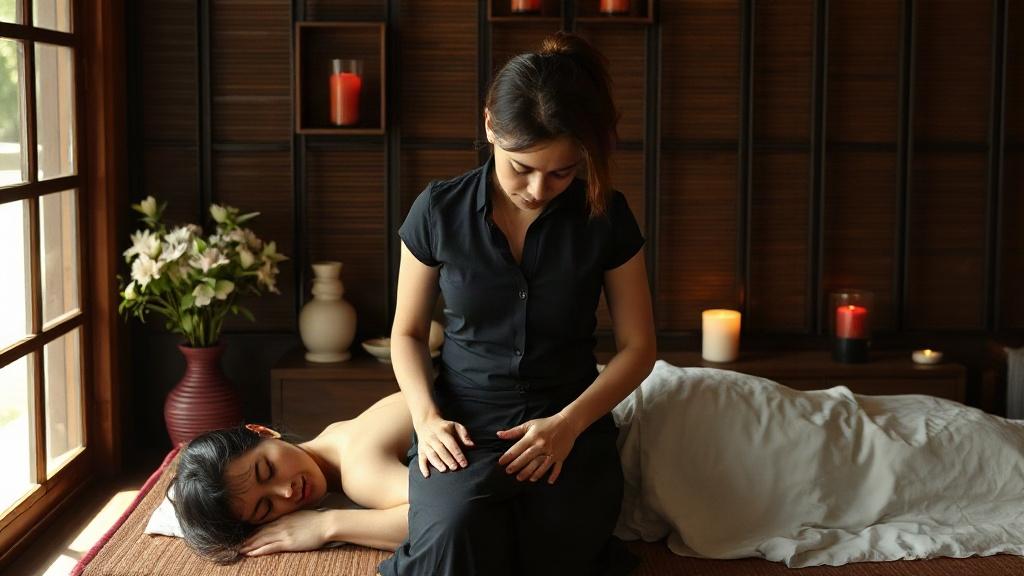
At its heart, Thai massage uses the body as a lever and the therapist’s hands, elbows, knees, and feet as tools to mobilize joints and soften muscles. The work alternates between sustained pressure, rhythmic rocking, and partner-assisted stretches that resemble passive yoga poses.
The approach is systematic: sequences follow pathways thought to carry vital energy, and sessions typically move from the feet upward in a whole-body progression. This structure allows therapists to locate tightness and restrictions, then release them through controlled leverage and breath-synchronized movement.
Practitioners often use body weight rather than brute force, allowing them to apply deep pressure without fatigue while maintaining sensitivity to the client’s responses. The combination of compression, traction, and long lever stretches creates a unique sensation—part mobilization, part massage—that can produce immediate changes in posture and ease of movement.
Understanding sen lines and energy work
Traditional Thai massage refers to sen lines, which are energetic pathways somewhat analogous to meridians in Chinese medicine or nadis in Ayurveda. These lines form a scaffold for many of the stretching sequences and pressure points used in practice.
Therapists trained in the traditional model will often speak about unblocking sen lines to restore balance, but the practical outcome is often measurable in improved range of motion, less localized pain, and a sense of energetic lightness. Whether you interpret sen work as energetic or biomechanical, the patterns of touch tend to produce consistent physical responses.
Postures, leverage, and partner-assisted stretches
Thai massage features many assisted stretching postures that might feel familiar to anyone who practices yoga: spinal rotations, hip openers, hamstring lengtheners, and shoulder mobilizations. The therapist supports and moves the client through each position, allowing a deeper and safer stretch than passive stretching alone.
These stretches can be adapted for strength, flexibility, and sensitivity, making them useful across life stages. A good practitioner reads tension and adjusts leverage so stretches remain therapeutic rather than jolting, and they encourage slow, measured breathing to help the nervous system relax into each movement.
Why many women are drawn to Thai massage
Women often report that Thai massage offers practical relief for issues that traditional oil massage may not address as effectively. The emphasis on joint motion, spinal decompression, and hip mobility can help with chronic back pain, tight hamstrings, and pelvic tension—areas commonly affected by repetitive postures and caregiving roles.
The modality also invites a new relationship with movement. Instead of simply receiving touch, clients are guided through a restorative physical dialogue that highlights what their bodies can do. That shift—from passive relaxation to embodied participation—can be empowering for women whose lives demand both strength and endurance.
Because sessions typically last longer and cover the whole body, many women feel their needs are better met than by isolated treatments. The cumulative effect of regular sessions can be improved posture, reduced pain, and a clearer sense of somatic boundaries.
Hormonal and reproductive health considerations
Thai massage can be supportive for menstrual discomfort through gentle abdominal support, hip opening, and lumbar decompression. Many women describe less cramping and fewer headaches after a session that focuses on the pelvis and lower back.
For women dealing with cyclical mood changes or menopausal transitions, the rhythmic quality of Thai massage can stabilize the nervous system and improve sleep quality. However, therapists must avoid aggressive abdominal work around menstruation unless the client explicitly requests it and feels comfortable.
When considering work around fertility, conception, or gynecologic conditions, it’s wise to consult both medical providers and an experienced therapist who understands relevant contraindications and modifications. Open communication about cycles and symptoms leads to safer, more effective sessions.
Mental health and stress relief
The combination of movement, touch, and mindful breathing in Thai massage can ease chronic stress and help regulate the autonomic nervous system. Many women say they experience a steadying calm rather than a fleeting sense of relaxation.
Sessions create space to notice held tension and habitual protective postures—things that accumulate quietly over years. By addressing those patterns physically, Thai massage often supports emotional processing and clearer mental focus in daily life.
What a typical Thai massage session looks like
Sessions can vary from a focused 60 minutes to comprehensive 120-minute treatments. Traditional sessions are performed on a firm mat while the client wears loose, comfortable clothing designed for movement and stretching.
After a brief consultation about history and goals, the therapist usually begins with the client lying on their back and gradually moves through supine, side-lying, prone, and seated positions. Pressure points are interwoven with stretches, and the session often ends with gentle rocking and passive spinal traction.
Modern spas sometimes offer table-based Thai-style treatments that blend oil work with assisted stretches. Those are more familiar to guests used to Western spa environments but may reduce the full range of traditional floor-based techniques.
Traditional mat versus table-based Thai massage
| Feature | Traditional mat | Table-based |
|---|---|---|
| Movement range | Full-body stretches and rotations | Limited, more focus on localized work |
| Clothing | Loose, movement-friendly clothing | Often undressed with oil or clothed depending on spa |
| Pressure tools | Hands, elbows, knees, feet | Hands, forearms; less use of knees and feet |
| Recommended for | Mobility, sports, chronic tension | Relaxation-focused clients and spa-goers |
This simple comparison highlights why some women prefer the mat experience for mobility work while others favor table-based sessions for comfort and relaxation. If mobility is your primary goal, the mat gives the therapist more leverage and options.
Choosing a practitioner who understands women’s needs
Finding the right therapist is as much about compatibility as it is about credentials. Women—especially those who have experienced trauma, pelvic issues, or pregnancy—benefit from a practitioner who listens and offers clear explanations about techniques and boundaries.
Search for therapists with formal Thai massage training and ongoing education in areas relevant to women’s health, such as prenatal massage, pelvic floor awareness, or trauma-informed care. Ask about their experience with modifications and whether they routinely work with women in your life stage.
If you have a strong preference for a female or male therapist, specify that when booking. Many women feel safer or more comfortable with a practitioner of a particular gender, and most reputable clinics will accommodate that request without friction.
Safety, contraindications, and how to avoid harm
Thai massage involves powerful stretches and deep pressure, so certain conditions require caution. Acute injuries, recent surgeries, blood clotting disorders, severe osteoporosis, and uncontrolled high blood pressure can make deep Thai work inadvisable.
Pregnancy requires clear modification and often a specialist: later-trimester clients should avoid compression on the abdomen and certain positions that stress the pelvis. Therapists trained in prenatal Thai techniques use side-lying sequences and gentler traction to keep work safe and effective.
Always communicate existing medical conditions and medication use before the session. A skilled practitioner will adapt intensity, avoid risky positions, and suggest alternatives rather than forcing a technique that could exacerbate a problem.
Thai massage during pregnancy and postpartum care
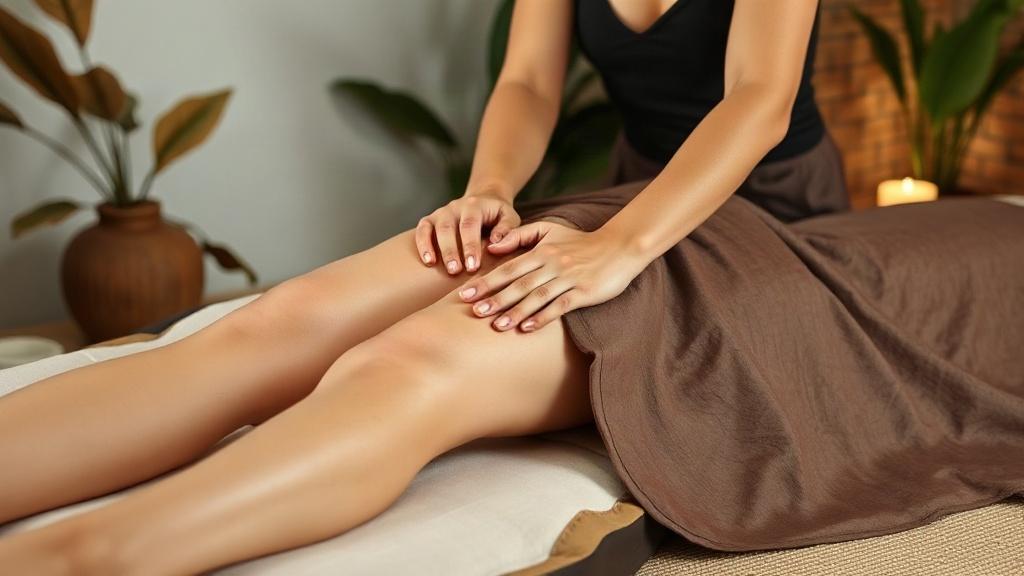
When performed by a practitioner trained in prenatal care, Thai massage can relieve common pregnancy complaints like lower back pain, sciatica, and pelvic tightness. Side-lying positions and supportive bolsters allow for safe stretching without direct abdominal pressure.
In the postpartum period, gentle Thai sequences help restore pelvic balance, release shoulders strained from feeding and carrying, and ease the neck and upper back. Timely work—introduced when medically cleared—can support functional recovery and emotional well-being.
Women recovering from cesarean or complicated births should wait for medical approval and choose therapists familiar with postnatal modifications. A thoughtful plan balances mobilization with respect for healing tissues and the new demands of caring for an infant.
Self-care techniques women can use between sessions
Thai massage teaches awareness of breath, alignment, and joint mobility—skills easily transferred into daily self-care. Short, consistent routines can maintain session gains and reduce the intensity of recurring tension.
Below are several practical stretches and solutions you can do at home. Each entry is simple, takes a few minutes, and supports the kinds of patterns Thai massage addresses in the clinic.
- Seated spinal twist: Sit tall, inhale to lengthen, exhale to turn gently toward one side. Hold four to six breaths and repeat on the other side to maintain thoracic mobility.
- Hip opener on chair: Cross one ankle over the opposite knee while seated, hinge forward with a flat back to feel a controlled stretch in the glute and outer hip.
- Calf and hamstring mobilizer: With a strap or towel around the foot, lie on your back and lift the leg, keeping the knee soft. Rock the ankle and flex the foot to relieve posterior chain tightness.
- Shoulder squeeze: Stand or sit and draw both shoulder blades together slowly, hold for three breaths, and release to counteract rounded posture from screen work.
Perform these moves daily for short segments rather than long sessions sporadically. Small, regular practice preserves flexibility and keeps aches from accumulating into chronic problems.
Training, certification, and what credentials matter
Training pathways for Thai massage vary globally. In Thailand, formal schools teach traditional sequences and hands-on practice, often requiring hundreds of hours and apprenticeships. Outside Thailand, programs may mix Thai techniques with other bodywork systems, so checking curricula is important.
Look for practitioners who studied under recognized teachers, completed substantial supervised practice, and maintain continuing education. Membership in professional associations offers an additional layer of accountability and adherence to ethical standards.
If you plan to train, seek programs that emphasize anatomy, contraindications, and hands-on mentorship. Knowledge of functional biomechanics prevents harm and deepens therapeutic effectiveness.
Etiquette, communication, and cultural sensitivity
Thai massage comes from a specific cultural context, and respectful engagement is part of a good experience. Simple etiquette—arriving on time, communicating health history, and following the therapist’s instructions—creates a cooperative atmosphere.
Be mindful of cultural differences if you’re receiving traditional work: some gestures or verbal cues that feel ordinary may be interpreted within the therapist’s training as important signals. Likewise, tipping practices vary; when in doubt, ask the studio or follow local customs.
Honor modesty and consent. Modern practitioners prioritize clear explanations and permissions before initiating stretches or pressure on sensitive areas. If anything feels uncomfortable, speak up; a skilled therapist will adjust immediately.
Personal reflections: clients and moments that linger
In my experience working alongside therapists and from occasional sessions myself, I’ve seen how a single Thai massage can re-pattern postural habits that people have carried for years. A woman I knew had persistent shoulder pain from carrying a toddler; after several sessions she reported sleeping through the night and standing without the usual slouch.
Another client, a long-distance runner, used Thai sessions strategically to maintain hip rotation and avoid injuries during a busy race season. The assisted stretching provided ranges of motion hard to achieve alone, reducing downtime and keeping performance consistent.
These examples underline a practical truth: Thai massage is not magic, but a skilled intervention that can change daily function. Consistency, honest communication, and realistic goals produce the best outcomes.
Integrating Thai massage into a broader wellness routine
Thai massage pairs well with complementary practices: yoga, Pilates, strength training, and mindful breathing routines enhance the mobility gains and body awareness built during sessions. Pairing work helps prevent relapse into old patterns and supports a resilient body.
Consider scheduling sessions strategically—around intense training blocks, before physically demanding trips, or as part of a recovery plan after injury. Regular maintenance sessions can be shorter and targeted, while occasional full sessions provide deeper resets.
Nutrition, hydration, and sleep amplify the benefits. Muscles and connective tissues respond more favorably to manual work when the body is well-rested and fueled, so think of Thai massage as one component of an ecosystem of care.
Practical tips for first-time visitors
Wear comfortable, stretchable clothing and avoid heavy meals just before a session. Bring a list of medications and a brief medical history so the therapist can safely plan the session.
Come with specific, realistic goals: “I want less lower-back pain when I pick up my child” is more actionable than “fix my back.” Good practitioners will build a plan of sessions or home strategies tailored to those aims.
Arrive curious but discerning. A competent therapist explains techniques, checks in with intensity, and offers aftercare suggestions. If something doesn’t feel right, ask for modifications. Trust and communication are the foundations of a productive therapeutic relationship.
When to seek medical advice alongside Thai massage
If you experience unexplained swelling, numbness, sudden severe pain, or fever, seek medical evaluation before receiving deep manual therapy. Persistent neurological symptoms, unexplained weight loss, or a history of malignancy also warrant medical clearance.
Thai massage complements medical care when used appropriately and with full disclosure to your healthcare team. Many women find a collaborative approach—therapist and clinician communicating where possible—delivers safer, more integrated outcomes.
Final thoughts and next steps
Thai massage offers a rich, movement-centered path for women seeking physical relief and renewed body awareness. Its unique combination of assisted stretching, rhythmic pressure, and whole-body sequencing makes it particularly useful for pelvic and spinal complaints, postural imbalances, and stress-related tension.
Begin with a clear conversation about your goals and health history, choose a practitioner who respects your needs, and treat sessions as part of a wider plan that includes movement, sleep, and hydration. With sensible precautions and consistent practice, Thai massage can become a powerful ally in reclaiming comfort and ease of movement.
For those ready to try it, book a session with an experienced therapist, or attend a beginner’s workshop to learn basic self-care techniques. Over time, the practice rewards patience with tangible improvements in mobility, posture, and a quieter, more attentive relationship with your body.
Comments are closed.