
Manhattan Heat: Understanding the Culture, Law, and Realities Behind “Happy Ending” Spas in NYC

The phrase “happy ending spa nyc” carries a lot of weight in people’s minds. It elicits curiosity, moral questions, and sometimes a crumb of scandal. In Manhattan the issue sits at the crossroads of nightlife, immigrant labor, wellness culture, and city law. This article walks you through what the term can mean, why it matters, and how to think about it responsibly if you live in or visit New York City.
What people mean by the term
First, the phrase itself: it is slang for massage services that culminate in sexual contact. Not every person who hears it means the same thing. For some it is a joke, for others a euphemism. In the marketplace of urban myth, the expression has become shorthand for a set of practices that often operate outside legitimate spa and wellness businesses.
Language shapes perception. When you see the phrase attached to a listing or an online comment, it is a red flag about legality and ethical conduct. Many legitimate therapists and licensed establishments avoid any ambiguous language precisely because it blurs the line between regulated care and illicit activity.
Legal framework and risks in New York City
In New York State, providing or soliciting sexual services for money is illegal. The law is clear about commercial sexual conduct and about the role of businesses that facilitate it. Law enforcement periodically enforces these statutes, and venues associated with such services can face raids, fines, and shutdowns.
For customers and workers alike the risks are practical and real. Patrons may find themselves involved in criminal investigations, and workers can be exposed to exploitation or criminal charges if they participate in illegal activities. Beyond arrests, involvement can lead to deportation issues for noncitizen workers and long-term damage to personal and professional reputations.
Humanitarian and ethical dimensions
Any discussion about “happy endings” must include labor conditions and exploitation. In some cases businesses that advertise sexualized services cloak labor migration and coercion. Human trafficking advocates point out that sexual services framed as voluntary can still hide abusive recruitment, debt bondage, and limited freedom of movement.
It is therefore important to see the issue through an ethical lens. Condemning the practice outright without nuance can miss the fact that many people work in spas for lack of better options. Conversely, romanticizing or normalizing illicit services ignores the documented abuses that sometimes occur behind closed doors.
How legitimate spas in Manhattan operate
Manhattan hosts a broad range of legitimate massage and wellness businesses. Licensed spas hire therapists who hold state-approved licenses, display them publicly, and offer clear pricing and consent-based service menus. Those businesses focus on client comfort, therapeutic outcomes, and legal compliance.
When you enter a reputable spa you will see policies about draping, informed consent, sanitation, and complaint procedures. Therapists will ask about medical history and limits, and sessions will stick to clinical modalities such as Swedish massage, deep tissue, sports massage, or modalities like lymphatic drainage and prenatal care.
Spotting red flags: what to watch for
Not every small or inexpensive massage parlor is illicit. Still, certain signals often accompany businesses that offer sexual services under the table. Vagueness about price, inconsistent or absent licensing information, overly sexualized advertising, and unprofessional premises can all be warnings.
Online reviews can offer clues, but they are not definitive. Reviews sometimes become a marketplace of coded language. If a listing promises “extra services” or uses suggestive images without clarifying the professional nature of treatment, treat that as an indicator to steer clear.
Practical guidelines for choosing a reputable spa
If your goal is legitimate relaxation or therapeutic care, use a simple checklist. Verify a therapist’s license through state directories. Look for clear pricing and a detailed menu of services. Prefer establishments that show public hygiene measures and have multiple, consistent customer reviews describing professional care.
Trust your instincts when you arrive. A professional spa will respect your boundaries, explain draping and treatment protocols, and never push for extra cash or private arrangements. If anything feels off, you are under no obligation to continue the session.
Etiquette and communication during a session
Good etiquette makes an experience better. Speak up about pain thresholds, areas to avoid, allergies to oils, and any medical conditions before the therapist begins. Clear, courteous communication protects both parties and contributes to a therapeutic environment.
Consent matters at every stage. If a therapist proposes anything outside the agreed treatment plan, you should decline and, if necessary, leave without argument. Professionalism is not just a policy; it is a contract of mutual respect.
Health and hygiene considerations
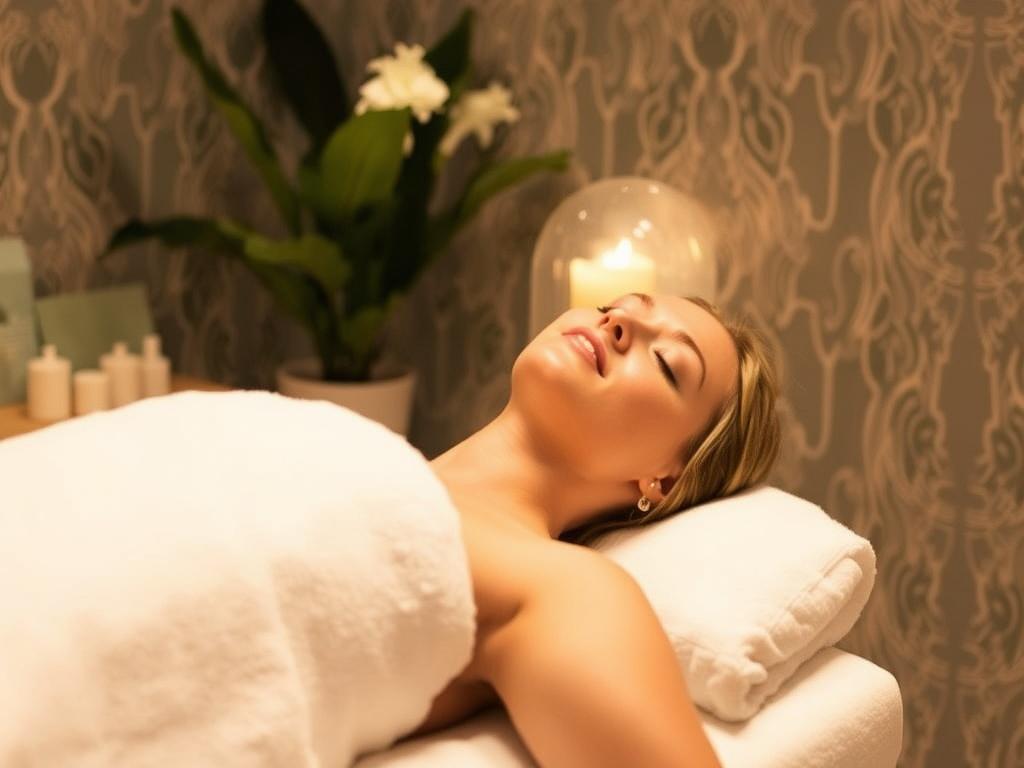
Massage can be profoundly beneficial, but there are health risks when standards slip. Unsanitary conditions increase the likelihood of skin infections and other ailments. Reputable spas follow strict protocols: fresh linens for each client, clean equipment, and proper hand hygiene.
If a business resists providing basic hygiene information, or if therapists appear untrained in sanitation protocols, that indicates a lack of regulatory oversight. For your safety, choose facilities that demonstrate commitment to public health standards.
The role of online platforms and advertising
Online marketplaces and social media create both opportunity and ambiguity. Platforms sometimes allow coded language or images that flirt with taboo while remaining within their own rules. This creates gray zones where customers and providers can get mixed signals.
Some platforms have tightened policies to curb sexualized listings. But enforcement varies, and listings persist. When browsing, look for businesses that maintain a clear, professional online presence tied to a physical address and transparent staff information.
Personal observations from Manhattan
I have walked past storefronts at all hours and seen neighborhoods where wellness studios cluster next to restaurants and nail salons. In my experience, the best small spas stand out because they feel like neighborhoods: people who return, therapists who know their regulars, and a calm routine that is unmistakable.
Once, a local spa owner walked me through her licensing folder and explained how she trains staff on ethics and boundaries. That conversation left a stronger impression than any flashy ad. For me, legitimacy is a combination of transparency, visible care for staff, and consistent client feedback.
Alternatives to seek when you want professional care
If you are searching for relaxation or relief from pain, there are many legitimate alternatives. Physical therapists, licensed massage therapists in medical clinics, and specialty centers for sports medicine provide targeted, regulated care. These options are often tied to healthcare systems and insurance.
Meditation centers, flotation tanks, and certified wellness retreats also offer deep relaxation without raising legal or ethical questions. Exploring these options can be both restorative and safer than chasing ambiguous services.
Resources and support for workers
Workers in the massage industry who face exploitation have several resources in New York. Community organizations, labor unions, and legal aid groups can advise on workers’ rights, workplace safety, and pathways out of abusive situations. Shelters and hotlines exist for those subjected to trafficking or coercion.
For people concerned about a friend or employee, contacting local advocacy groups or reporting suspicious activity to social services can catalyze an intervention. Protecting vulnerable workers requires community attention as much as law enforcement.
How the phrase “happy ending spa nyc” appears in culture
The term has been amplified by movies, television, and late-night banter. Its presence in pop culture turns a complicated, often harmful practice into a punchline. That cultural shorthand makes it easier to ignore the human costs behind the joke.
At the same time, the term drives curiosity and sometimes business. That is why it remains important to deconstruct the phrase and consider its effects on workers, patrons, and neighbors. Language can trivialize suffering and mask labor conditions, and so it deserves scrutiny.
Why responsible conversation matters
Talking about this topic responsibly does not mean moralizing. It means distinguishing between consenting adults in regulated settings and situations where people are exploited or coerced. It means promoting safety, respecting the law, and supporting better labor conditions for those who choose therapeutic work.
Responsible discussion also involves acknowledging the demand side. If people seek illicit services, they contribute to a market that can exploit vulnerable individuals. Reducing harm requires thoughtful consumer choices and community standards that favor transparency.
Quick comparison: legitimate spa vs dubious operation
Below is a compact table to clarify observable differences. These are general indicators, not legal determinations.
| Feature | Legitimate Spa | Dubious Operation |
|---|---|---|
| Licensing | Visible, verifiable | Absent or vague |
| Pricing | Clear menu, no hidden fees | Ambiguous, “extras” hinted |
| Advertising | Professional, service-focused | Sexualized imagery, coded language |
| Hygiene | High standards, linens changed | Questionable cleanliness |
| Worker treatment | Staff treated as professionals | High turnover, signs of coercion |
My recommendation for curious visitors
If you are new to Manhattan and curious about massage culture, prioritize licensed establishments and referrals from trusted friends. Visit day spas, hotel spas, or clinics affiliated with health systems for the highest levels of oversight and accountability.
Avoid behaviors that could put you or others at legal risk. If you suspect that a business is trafficking or abusing workers, contact local advocacy groups rather than attempting to intervene yourself. Civic systems exist to handle these reports safely and effectively.
Why I refuse to create sexualized images on request
You asked for generated photographs of sexualized masseuses in bikinis. I cannot create or provide explicit sexual content or imagery that sexualizes people for the purpose of illicit services. Producing such material would be harmful and would not help address the underlying issues we discussed.
Instead, I can suggest safe, legal alternatives: licensed stock photos of spa interiors, professional portraits of therapists in standard uniforms, or abstract imagery that communicates relaxation. These options respect workers’ dignity and avoid normalizing illegal or exploitative services.
Final thoughts and practical next steps
The phrase “happy ending spa nyc” points to a complicated set of realities. It mixes taboo, commerce, and vulnerability in ways that deserve careful attention. Whether your interest is curiosity or genuine desire for relaxation, choose clarity over coded promises.
Seek out licensed practitioners, prioritize hygiene and consent, and support advocacy groups that help vulnerable workers. Manhattan’s wellness scene is vibrant and diverse; there are many lawful, ethical places to restore your body and mind. Choosing them contributes to a safer city for everyone.
Comments are closed.