
Inside the calm: understanding Japanese massage service and its traditions

Japanese bodywork blends centuries-old practice with practical, modern care for the body and mind. This article takes you beyond labels and into the techniques, history, etiquette, and real-life experience of receiving Japanese-style massage. Read on if you want clear guidance on what to expect, how methods differ, and how to find a practitioner who suits your needs.
A concise history of Japanese bodywork
Japanese approaches to touch did not appear overnight; they evolved from folk remedies, military medicine, and court therapies. Early texts describe anma and other manipulative arts used for fatigue, pain, and spiritual balance across different periods.
Contact-based healing merged with ideas from Chinese medicine and indigenous Shinto beliefs, producing unique practices that emphasize rhythm, pressure, and the whole person. Over time, these methods moved from the household into professional clinics and, more recently, urban spas.
In the 20th century, shiatsu gained international recognition and was systematized by practitioners who framed it with Western anatomy while preserving tactile principles. Today, you’ll find a spectrum—from traditional anma to medically oriented manual therapy—under the broad umbrella of Japanese bodywork.
Key techniques and how they differ
Japanese bodywork is not a single uniform technique. Instead, it contains several distinct methods that share a focus on balance, touch, and pressure but differ in intent and application. The most frequently encountered styles are shiatsu and anma, each with its own character.
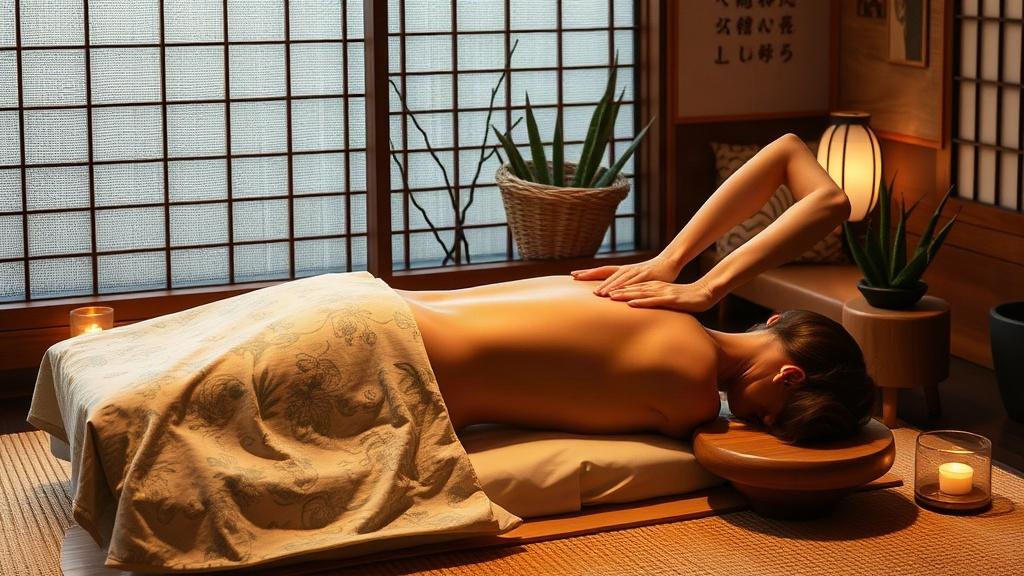
Shiatsu uses finger and palm pressure along meridians and specific points, often with the receiver fully clothed and on a futon or mat. Anma, older and sometimes more vigorous, emphasizes kneading, rubbing, and joint manipulation, frequently performed on a massage table.
Beyond those core styles, you’ll encounter related approaches such as tui na-influenced methods, reflexology, and newer fusion techniques that borrow from Western sports massage. Understanding these distinctions helps you choose a session suited to your body and goals.
Shiatsu: pressure mapped to the body
Shiatsu is often described as “acupressure with structure.” A practitioner applies rhythmic pressure along meridian lines, aiming to release tension and restore flow. Sessions prioritize alignment, breath, and a steady cadence rather than deep, localized work alone.
Therapists may incorporate stretches, gentle joint mobilizations, and sustained holds. Because it leans on knowledge from East Asian medicine, shiatsu sessions sometimes include a short verbal assessment of sleep, digestion, and energy levels.
Shiatsu can be gentle or firm depending on the practitioner and the client’s condition. For many people, the technique feels grounding; for others, it resolves chronic tension in areas that respond poorly to conventional Western massage.
Anma: a hands-on tradition
Anma predates shiatsu in Japan and has a more straightforward focus on mechanical manipulation of tissues. Movements are rhythmic and continuous—kneading, rolling, and tapping—reminiscent of what many Westerners expect from a deep-tissue session.
Historically, anma served as a practical treatment for samurai and laborers, aimed squarely at reducing stiffness and improving mobility. Modern anma remains highly effective for sore muscles and postural imbalance when applied by an experienced practitioner.
Unlike table-based therapeutic massage, anma sometimes has a vigorous tempo and a series of direct strokes designed to warm and mobilize large muscle groups quickly. It suits people who prefer more dynamic pressure and hands-on work.
Other related forms you might encounter
Japan’s massage landscape also includes reflexology, which targets foot zones linked to organs, and medical massage used in rehabilitation contexts. Many contemporary practitioners synthesize elements from multiple traditions to address specific client needs.
For example, a session might begin with gentle shiatsu work to settle the nervous system, segue into anma-style kneading for soft-tissue release, and finish with stretching to restore range of motion. These permutations make for practical, customized care.
Knowing this helps you ask smarter questions when booking: Do you want relaxation, pain relief, or support for recovery? Naming your goal clarifies which blend of techniques will be most useful.
What a typical session feels like
Appointments often begin with a brief intake, where the practitioner asks about current pain, medical history, and your goals for the session. This conversation sets safety boundaries and helps target the most relevant areas.
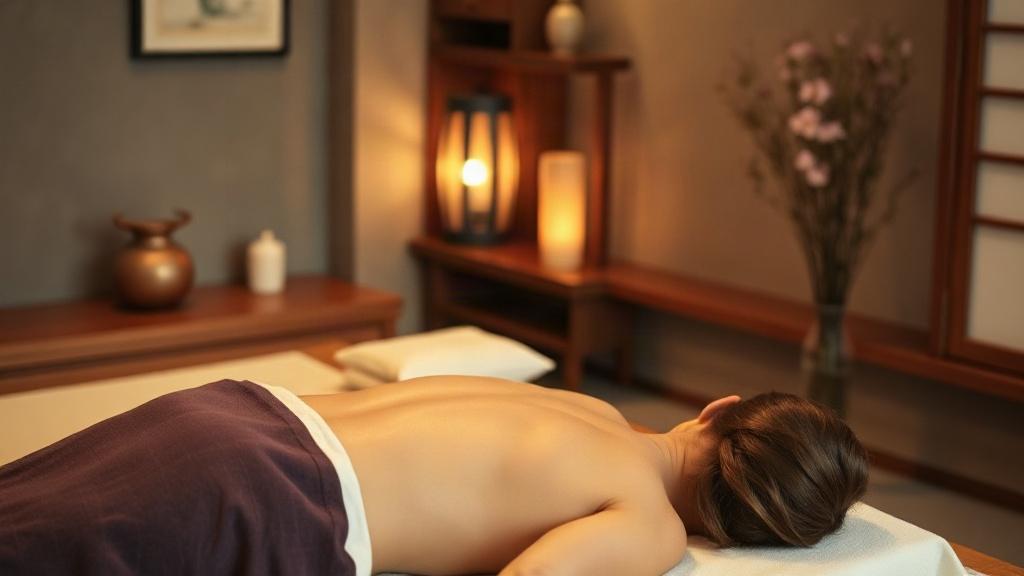
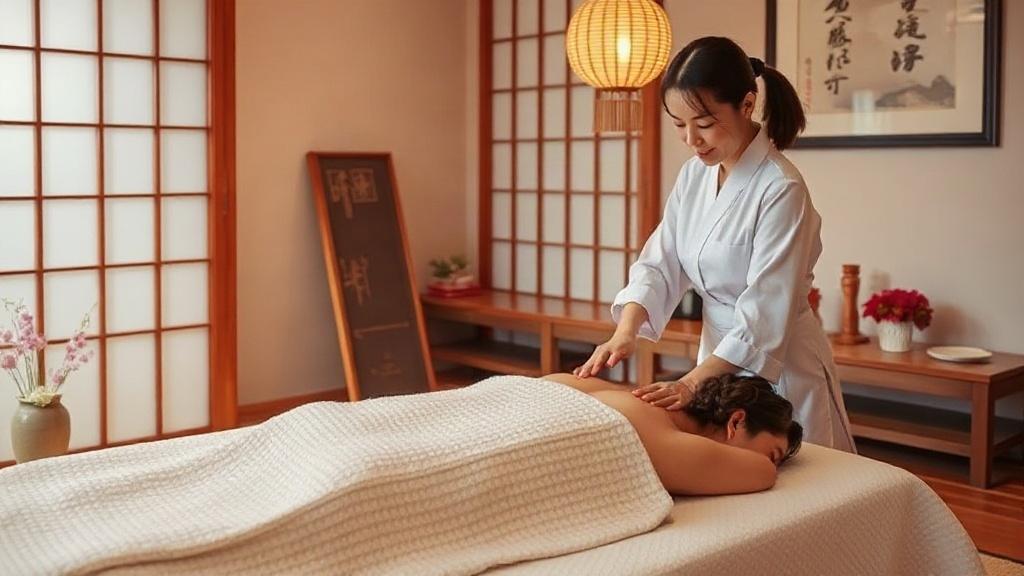
Rooms are usually quiet and minimally decorated, with natural or soft lighting to encourage relaxation. In traditional settings, you’ll lie on a futon on the floor; in clinics and many modern spas, a massage table is the rule.
Expect the session to include a mix of sustained pressure, rhythmic strokes, and passive movements. Unlike oil-based Swedish massage, some Japanese methods work through light clothing or using minimal oil, depending on the style and the therapist’s training.
Length, intensity, and customization
Standard sessions run from 30 to 90 minutes. Short sessions are useful for addressing a few stubborn areas, while full-length sessions allow for a comprehensive whole-body approach. Intensity is adjustable; communicate openly if pressure is too much or too light.
A skilled therapist will adapt in real time, modulating pressure and technique as tissues respond. They’ll also offer aftercare suggestions—hydration, rest, and simple stretches—to prolong session benefits.
For chronic issues, a sequence of sessions spaced over weeks is often more effective than a single intensive appointment. Practitioners commonly recommend follow-ups to monitor progress and refine technique.
Health benefits supported by evidence
Research on specific Japanese techniques is mixed but generally encouraging. Studies show shiatsu can reduce pain, improve function for certain musculoskeletal conditions, and alleviate stress-related symptoms in some populations.
Mechanistically, these therapies combine mechanical effects—improved circulation, reduced muscle tension—with autonomic nervous system modulation, which helps lower stress hormones and promote relaxation. Clinical outcomes depend on the condition treated and the practitioner’s skills.
It’s worth noting that for serious medical conditions, Japanese-style work is often an adjunct, not a replacement, for conventional medical care. Communication with your healthcare provider ensures safety and proper integration.
Illustrative table: common benefits and evidence level
| Benefit | Typical supporting evidence | Applicability |
|---|---|---|
| Pain relief (low back, neck) | Moderate—small randomized trials and case series | Good for chronic mechanical pain when combined with exercise |
| Stress and anxiety reduction | Moderate—physiological markers and self-report improvements | Useful as part of stress-management plans |
| Improved circulation and mobility | Limited—physiological rationale, some clinical reports | Helpful for stiffness and postural issues |
How to choose a practitioner
Finding the right therapist is as much about personal fit as it is about credentials. Start by verifying formal training, such as certifications in shiatsu, recognized massage therapy licenses, or healthcare backgrounds for clinical work.
Read reviews and seek recommendations from people whose needs resemble your own. A practitioner who specializes in sports rehabilitation might not be your best match if you’re seeking gentle relaxation and vice versa.
Trust your intuition during an initial conversation. A good practitioner will listen carefully, explain their approach, and respect your boundaries. If they pressure you into a technique you don’t want or dismiss your concerns, keep looking.
Questions to ask before booking
Short, direct questions save time and set expectations. Ask about training and years of experience, common client conditions they treat, session structure, and hygiene protocols. Inquire whether they work through clothing or use oil.
If you have specific medical conditions—pregnancy, cancer, recent surgery, or anticoagulant medication—ask whether they have relevant experience and what modifications they’ll make. Safety comes first in any therapeutic setting.
A transparent therapist will be comfortable outlining contraindications and may suggest a physician’s clearance for high-risk situations. That openness signals responsibility and professional care.
Etiquette, cultural expectations, and communication
Cultural norms vary between Japan and other countries, so local practice settings may blend traditions. In Japan, formality and respect are emphasized; in Western spas, the experience might be more conversational and relaxed.
Regardless of location, clear communication about modesty, pressure, and areas to avoid is essential. If you feel uncomfortable during a session, it’s appropriate to speak up or ask for a different approach.
Tip: If you’re visiting a traditional clinic, arrive on time and be prepared to remove shoes. Many Japanese practices value punctuality and considerate conduct during sessions.
Risks and contraindications
While generally safe when performed by trained therapists, manipulative therapies carry risks when applied inappropriately. Excessive force, unrecognized pathology, or inadequate pre-screening can cause harm or aggravate existing issues.
Contraindications include acute infections, uncontrolled hypertension, deep vein thrombosis, recent fractures, and certain stages of pregnancy unless the practitioner is specialized. Always disclose your full medical history before receiving treatment.
If you experience sharp pain, numbness, or prolonged worsening after a session, contact your healthcare provider. Good practitioners monitor client response and make adjustments to avoid adverse effects.
Preparing for a session
Preparation enhances the experience and outcome. Wear loose, comfortable clothing, avoid heavy meals immediately beforehand, and hydrate well. These small steps make treatments more effective and comfortable.
Bring a list of medications and any relevant medical reports if you have complex health issues. This helps the therapist plan appropriate pressure levels and decide which areas need to be avoided or treated gently.
Set realistic goals before the session—relief from tension, better sleep, improved mobility—and share them. Clear objectives guide the practitioner and make your sessions more purposeful.
Aftercare: extending session benefits
After a treatment, tissues continue to adapt. Gentle movement, walking, and light stretching can help integrate the session’s effects. Many practitioners recommend boosted hydration and a restful period.
Avoid intense exercise and alcohol for several hours after a deep session to minimize soreness and maximize recovery. If soreness occurs, a warm shower or local heat application can ease the discomfort.
Document changes in pain or mobility between sessions. This record helps the therapist fine-tune future treatments and identify trends that suggest when to modify the approach.
Self-care practices inspired by Japanese techniques
Not every moment of relief requires a practitioner. Several simple practices borrow from Japanese bodywork principles and fit easily into daily life. These methods focus on breath, pressure, and mindful movement.
Foot reflexology-style self-massage using a ball can release tension accumulated from standing or commuting. Aiming steady pressure to tender spots while breathing slowly for one to two minutes yields surprising relief.
For neck tension, gentle chin tucks followed by slow, supported rotations loosen the upper shoulders. Pair these moves with diaphragmatic breathing to downregulate stress and deepen the effect.
Short self-massage routine
Begin seated in a chair with feet flat and breath slow. Use the palms to apply circular pressure to the trapezius muscles for thirty seconds on each side.
Then, with a tennis or lacrosse ball against a wall, press the ball into tight spots on your upper back while moving slowly to find and soften tender points. Finish with shoulder rolls and deep breaths.
These micro-practices take five to ten minutes and fit into breaks during workdays. Regular micro-interventions prevent small tensions from becoming chronic problems.
Case study: a session that changed my approach
I once visited a small Tokyo clinic after months of desk-related neck pain. The therapist used shiatsu to press along meridian lines and paired it with gentle joint mobilizations I had never experienced before.
Within two sessions, stiffness eased and my sleep improved. What surprised me most was the therapist’s emphasis on posture adjustments and simple at-home movements—tools I still use daily to prevent recurrence.
That experience shifted my expectations: massage isn’t only about hands-on relief. It’s an educational process in which the therapist offers sustainable strategies for self-care and long-term change.
Integrating Japanese methods into modern spas and clinics
Spas and clinics often integrate Japanese elements to offer diverse treatment options. The key to successful integration is preserving the method’s integrity while adapting to clients’ expectations and local regulations.
Training staff in cultural context, proper technique, and client communication avoids superficial or misapplied treatments. Authenticity comes from understanding principles, not just mimicking strokes or brand names.
Clinics that combine evidence-based assessment with Japanese techniques tend to produce better outcomes. A clear evaluation at intake, followed by targeted therapy and follow-up advice, yields the most value for clients.
Business considerations for practitioners
For therapists, specialization—such as shiatsu for office workers or anma for athletes—helps carve a niche. Professional development and supervised practice increase skill and credibility.
Insurance, scope of practice, and local licensing must be carefully navigated. Offering therapeutic benefits while remaining within legal and ethical boundaries protects both client and practitioner.
Marketing that educates potential clients about what makes these methods different encourages realistic expectations and attracts the right people to your practice.
Myths and misconceptions
Common myths include the idea that deeper pressure is always better or that these techniques are mystical rather than practical. Both are misleading. Effective therapy is tailored and evidence-informed, not one-size-fits-all intensity.
Another misconception is that all practitioners are interchangeable. Training, experience, and personal touch vary widely and matter for outcomes. Take time to match your needs with a therapist’s strengths.
Finally, some assume Japanese methods are only for relaxation; in reality, they can be clinically useful for mobility, pain management, and stress regulation when applied appropriately.
Combining with other therapies
Japanese bodywork often complements physiotherapy, chiropractic care, and mindful movement practices like yoga or tai chi. Coordinated care multiplies benefits when practitioners communicate and align interventions with shared goals.
For example, a physical therapist might use manual techniques to address structural issues while a shiatsu therapist helps modulate nervous system activity and encourage relaxation. This multidisciplinary approach can speed recovery.
Discuss any complementary therapies you use with your therapist to avoid conflicting recommendations and ensure a coherent plan. Integration works best when care is collaborative.
How to get started—practical steps
Begin by deciding your primary aim: stress reduction, pain relief, or mobility. That clarity will guide your search and improve your conversation with potential practitioners. Make a short list of local therapists or clinics and check credentials.
Look for introductory offers or shorter sessions to sample a therapist’s style before committing to a longer series. Many practitioners welcome new clients with trial sessions and informative consultations.
Track responses: how you feel immediately after and in the days following a session. This feedback helps determine whether to continue, change techniques, or explore a different practitioner.
Ethical considerations and boundaries
Respect for client autonomy is central. Practitioners should seek consent for techniques, explain risks, and stop if a client expresses discomfort. Professional boundaries protect both parties and are non-negotiable.
Privacy, dignity, and informed consent are essential components of ethical care. If any part of your interaction feels coercive, unprofessional, or invasive, consider reporting to a licensing board or finding another provider.
Therapists who maintain ongoing education and supervised practice are more likely to adhere to high ethical standards. Ask about continuing education if that matters to you.
Traveling and finding authentic experiences abroad
If you travel to Japan or areas with established communities, seeking authentic treatments can be rewarding. Look for clinics with local lineage, professional memberships, or recommendations from trusted guides.
Language barriers can complicate communication; selecting a place with bilingual staff or clear written explanations helps. Simple gestures—arriving punctual, being polite, and following clothing guidelines—go a long way.
Remember that traditional clinics may be conservative about gender roles and privacy. If you have specific needs, check in advance about accommodations and expectations to avoid awkwardness.
Costs and insurance considerations
Prices vary widely by location, therapist experience, and clinical setting. Urban centers and specialized clinics charge more, while community clinics or training schools may offer reduced rates. Evaluate cost relative to expected benefit.
Some insurance plans cover therapeutic bodywork when provided by licensed practitioners for specific diagnoses. Keep detailed receipts and practitioner credentials for claims, and always verify coverage beforehand.
Consider cost-effectiveness over time: shorter, targeted sessions repeated at intervals can often outperform one-off long treatments both therapeutically and financially.
Frequently asked questions
How many sessions will I need? It depends on the condition. Acute issues might respond in a few visits; chronic problems often require a longer plan with periodic maintenance sessions. Your therapist can provide a realistic timeline after assessment.
Will it hurt? Comfortable pressure varies. Some discomfort during deep release is normal, but sharp pain is a warning sign. Communicate constantly—therapists should adapt instantly.
Can I combine bodywork with medication? Generally yes, but disclose all medications. Blood thinners, for example, require modified pressure. Your practitioner will adjust accordingly for safety.
Resources for further learning
Seek out books written by experienced practitioners, peer-reviewed articles on manual therapies, and continuing education offered by accredited schools. Reliable information helps you become an informed consumer and partner in your care.
Local workshops and short courses give hands-on exposure and reveal the subtleties of different techniques. Participating in a workshop can also teach you simple self-care moves to use between sessions.
Professional associations provide directories and standards for practice. Use those resources to verify training and find practitioners committed to quality care.
A final thought on choosing what’s right for you
Japanese bodywork offers a rich palette of techniques that balance practical touch with mindful principles. Whether you seek relaxation, recovery, or a combination, matching your goals to the right practitioner makes all the difference.
Try an introductory session with clear objectives and keep a simple journal of outcomes. Over time, you’ll build a personalized plan that blends hands-on care with movement and lifestyle adjustments for lasting benefit.
Above all, prioritize safety, communication, and respect—qualities that reveal the true value of the practice beyond any single label or phrase. Your body will tell you what works; trust that feedback and adjust accordingly.
Comments are closed.