
Happy endings in New Jersey: law, risks, and safe alternatives

Talk of “happy endings” carries a lot more than a wink and a shrug—especially in New Jersey, where the line between licensed bodywork and illegal sexual services is closely policed. This article looks beyond the joke and offers clear information about the law, public-health concerns, how to recognize legitimate massage therapy, and healthier alternatives for people seeking intimacy or relaxation.
What people mean by the phrase and why it matters

The term is slang for a sexual act delivered at the end of a massage, and it has been used for decades in popular culture. Because the phrase is loaded and often tied to illegal activity, it has real consequences for businesses, practitioners, and clients alike.
Understanding why the phrase provokes law-enforcement attention helps explain the broader stakes: when a spa or parlor becomes a front for prostitution, it puts vulnerable workers at risk, invites criminal penalties, and can damage the reputation of legitimate therapists. That’s why clarity matters—both for seekers of legal services and for people who care about worker safety.
The legal landscape in New Jersey

In New Jersey, providing sexual services in exchange for money is illegal. Municipalities and state authorities enforce laws against prostitution, solicitation, and related offenses, and penalties can include fines, arrest, and criminal records that carry long-term consequences.
At the same time, massage therapy is a regulated profession. Licensed therapists operate under state education and licensing requirements, and a legitimate facility adheres to local health codes and business regulations. This creates a dual landscape: lawful, regulated wellness centers alongside illicit operations that attempt to appear the same.
Law enforcement in many areas focuses not just on illegal transactions but on distinguishing consensual adult activity from human trafficking and exploitation. Over the past decade, agencies and nonprofit organizations have increasingly coordinated to identify victims and direct resources toward recovery and support, rather than treating everyone involved as a criminal.
How licensing works for massage professionals
The state requires formal training, supervised hours, and successful completion of licensing exams for practitioners who want to advertise as massage therapists. Boards or licensing agencies set the scope of practice and the standards a facility must meet, including sanitation and recordkeeping.
Clients who want to verify a therapist’s credentials can consult the state’s consumer affairs or professional licensing website to confirm an active license and any disciplinary actions. A marked distinction exists between licensed practices with visible credentials and informal operations without documented credentials.
Enforcement, outreach, and modern approaches
Law enforcement tactics vary across jurisdictions, but many departments now balance sting operations with victim-centered outreach. That means that when an illegal operation is suspected, officers may work with social-service organizations to assess whether exploitation is involved and to provide services to potential victims.
Municipalities also regulate businesses through zoning, occupancy permits, and health inspections. A credible local government will act on complaints about illicit activity while giving legitimate businesses a pathway to compliance and protection under the law.
Spotting the difference: legitimate spa versus illicit parlor
For a customer trying to make a responsible choice, distinguishing a reputable spa from an illicit operation is not always intuitive. Certain red flags tend to appear repeatedly in illicit settings, while respectable practices show consistent professional markers.
Look for clear evidence of licensing, professional signage, transparent pricing, and a welcoming environment where therapists are introduced by name and license. Legitimate spas have written consent forms, clear policies about scope of treatment, and no ambiguity about sexual contact being outside their scope.
By contrast, establishments operating illegally often advertise vaguely, request cash-only payments, operate with windows covered or without proper signage, and use coded language online. Those patterns should prompt caution and a decision to seek services elsewhere.
Quick checklist: what reputable massage businesses show
A small checklist helps when you’re unsure: visible licenses, a posted price list, professional intake forms, an atmosphere of privacy without secrecy, and therapists who decline to perform services outside the agreed scope. If any of these are missing, walk away.
- Visible therapist credentials and business license
- Transparent, itemized price list and payment options
- Written intake and consent forms that specify scope
- Clean, well-lit environment with appropriate signage
- Refusal of sexual contact and clear, private discussion of boundaries
Common signs that a parlor may be operating illegally
Recognizing patterns rather than singular oddities is more reliable. Sometimes a single factor is innocent or explainable, but a combination of several warning signs should raise concern.
| Sign | What it might indicate |
|---|---|
| No visible licensing | Unregulated practice or avoidance of oversight |
| Cash-only, no receipts | Attempts to avoid traceable business records |
| Coded online ads or ambiguous language | Marketing sexual services while avoiding explicit terms |
| Window coverings and restricted access | Secrecy to prevent scrutiny |
| Offer of sexual services as a matter of routine | Operation crossing into prostitution |
Health and safety: for clients and workers
Health considerations go beyond sexually transmitted infection risk. Proper massage therapy supports physical rehabilitation, stress reduction, and pain relief; however, sexual contact in a clinical setting undermines those goals and can introduce both physical and emotional harm.
From a medical standpoint, sexual activity can increase the risk of certain infections if safe practices are not followed, and workers offering sexual services may lack access to regular health screenings or worker protections. Respect for boundaries and consent are fundamental in any therapeutic relationship.
Consent and professional boundaries
A licensed therapist is trained to maintain professional boundaries and to obtain informed consent for specific therapeutic techniques. Any proposition that blurs the line between therapy and sexual activity is a red flag and violates the standard of care expected in regulated practice.
Clients should expect—and insist upon—clear communication before a session begins, an explanation of techniques to be used, and a comfortable space for declining any contact that feels inappropriate. Therapists should proactively set boundaries and redirect conversations that suggest sexual services.
Worker vulnerability and trafficking concerns
Not every person working in illicit operations is there by choice, and law enforcement as well as advocacy groups recognize that trafficking can be hidden behind massage parlors and similar businesses. That’s one reason why community responses emphasize survivor services as part of enforcement.
Victims of trafficking may face coercion, debt bondage, threats, and confiscation of identity documents. Outreach programs work to identify signs of coercion—such as limited freedom of movement, inconsistent stories, or third-party control—and to connect people with legal, medical, and social services.
Resources for workers seeking help
If someone suspects a coworker or acquaintance is being exploited, they should reach out to local victims’ services or national hotlines for guidance. These organizations can advise on safety, legal options, and routes to confidential support without immediate law-enforcement action if that’s the safer path for the person involved.
The National Human Trafficking Hotline (1-888-373-7888 or text HELP to 233733) is a confidential resource that operates 24/7 and can connect callers to local services. Local victim-service organizations in New Jersey also provide culturally competent assistance and can help navigate immigration and legal concerns when necessary.
Why some workers choose illicit settings and the economic context
Economic pressures, immigration status, and barriers to licensing drive some individuals into informal or illicit work. The cost and complexity of certification, language barriers, and limited employment options can all push people toward riskier income streams.
Addressing these root causes means improving access to affordable training, offering multilingual resources for licensing, and expanding legal employment opportunities so that people can earn a living without exposure to coercion or criminal penalties.
Alternatives for those seeking intimacy or erotic experiences legally
People seeking erotic contact should be mindful of the law and of personal ethics. There are lawful pathways to exploring intimacy that don’t involve illegal transactions, and these options can provide safety and emotional support without criminal risk.
Couples’ therapy, sex therapy, and licensed intimacy coaches can help partners explore boundaries and desires within a therapeutic frame. For individuals, consensual dating, escorts in jurisdictions where escorting is legal and regulated, or adult entertainment venues may be safer alternatives—but it’s important to know local laws before engaging.
Wellness alternatives that are legal and fulfilling
Tantric workshops, breathwork sessions, and guided intimacy classes focus on connection and sensation without promising sexual services. These offerings are often framed as education and personal growth rather than as sexual transactions, and they can be a respectful way to explore erotic expression.
Always verify the credentials of practitioners offering these services; look for clear educational outlines, client testimonials, and transparent policies. Legitimate programs emphasize consent, safety, and emotional support rather than secrecy or “unofficial” extras.
How to find a reputable massage therapist in New Jersey
Start with state licensing board directories and professional associations that list certified practitioners. Word-of-mouth recommendations, verified online reviews, and referrals from healthcare providers can also point you to safe, skilled professionals.
When you call to book, ask straightforward questions: Are you licensed? What qualifications and training do your therapists have? What is your cancellation and privacy policy? Reputable businesses will answer these queries clearly and promptly.
Questions to ask before booking
- Can you confirm the therapist’s license number and training?
- Do you have a written intake form and treatment consent?
- Is the pricing posted and itemized?
- What is your policy on sexual contact and boundaries?
- Are you affiliated with any professional massage therapy associations?
What to do if you accidentally encounter an illicit proposition
If you’re ever offered sexual services at a massage establishment and you didn’t expect or request that, the simplest, safest response is to decline and leave. Avoid confrontations that could escalate; your personal safety matters most in those moments.
If you feel threatened or if the situation involves coercion, contact law enforcement or a local crisis line immediately. If you suspect trafficking or exploitation rather than consensual illegal activity, notify the National Human Trafficking Hotline so trained advocates can respond.
Reporting concerns and protecting your community
Reporting suspected illegal activity helps law enforcement and social services intervene when exploitation is involved. Most jurisdictions allow anonymous tips to city or state police, and consumer affairs divisions often receive complaints about unlicensed businesses.
If your concern is about health-code violations or unlicensed practice rather than clear criminal behavior, local health departments and the state licensing board are appropriate contacts. They can inspect facilities and enforce regulatory standards without criminal charges in many cases.
Legal consequences for patrons
Patronizing prostitution can lead to criminal charges, fines, and the possibility of a criminal record. While enforcement priorities differ across municipalities, the risk of legal consequences should be considered by anyone contemplating illegal transactions.
Beyond immediate legal risk, engaging in illicit services can have reputational and employment consequences if charges are brought. A cautious approach is to avoid establishments that show any signs of unlawful activity and to choose licensed, transparent professionals instead.
How communities and regulators can reduce harm
Community-based efforts that combine regulation with social services have the best track record of reducing harm. That means supporting pathways to licensure, providing language access and job training, and funding shelters and counseling for survivors of exploitation.
Regulatory agencies can prioritize inspections and create clear, accessible routes for small business compliance so that legitimate practitioners are not mistakenly penalized and can compete fairly in the marketplace.
Privacy, discretion, and the digital age
Online review sites and social platforms complicate the picture: illicit services sometimes use coded language online, while legitimate businesses rely on broad visibility and open advertising. Learn to read signals critically and prefer sources that verify professional credentials.
Keep in mind that posting or sharing explicit content or details about a provider can jeopardize privacy and safety for workers and clients alike. If you have a complaint, use official channels rather than public shaming to resolve serious concerns.
My experience as a consumer and observer
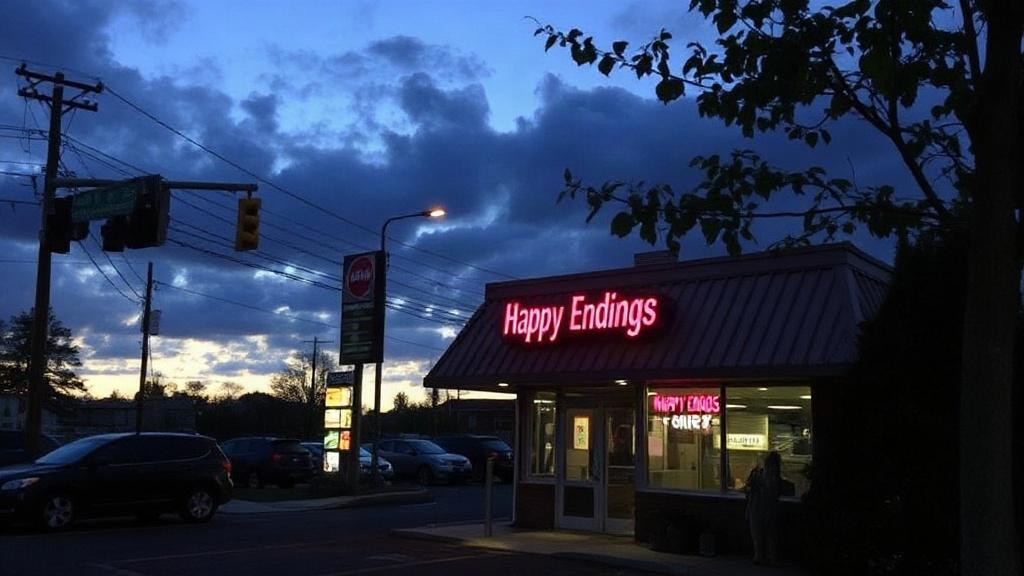
In my years researching wellness practices, I visited many massage clinics and spoke with therapists, owners, and regulators. The reputable places almost always had an open-door policy for questions and were transparent about training and scope of care, which made me comfortable returning.
I also encountered smaller, murkier operations during field visits. Those places had inconsistent messaging, scarce paperwork, and staff who seemed uncomfortable answering basic licensing questions. Observing those differences taught me to trust the tangible markers of professionalism rather than glossy photos or suggestive advertising.
Case studies: what happened when communities acted
In towns that invested in licensing outreach and victim-support services, coordinated crackdowns on illicit parlors were followed by measurable declines in reported trafficking and a rise in licensed practitioners. These efforts combined law enforcement, social work, and community education.
Conversely, areas that focused solely on arrests without support for vulnerable workers often saw a cycle of closure and reemergence: illicit businesses shuttered briefly and then reopened under new names. Sustainable change requires more than enforcement; it requires alternatives and support systems for those affected.
Frequently asked questions
Is hiring a masseuse for sexual services illegal everywhere in New Jersey? Yes—exchanging money for sexual services generally falls under prostitution or solicitation laws. Local enforcement practices may vary, but the legal risks remain.
Can a licensed therapist legally provide erotic or sexual services if both parties consent? No. Professional standards and licensing rules separate therapeutic services from sexual activity, and crossing that boundary can lead to license suspension and criminal exposure.
What should I do if a practitioner offers sexual services to me? Decline and leave. If you believe coercion or trafficking is involved, report the situation to authorities or the human-trafficking hotline so trained professionals can respond.
Resources and contacts
For suspected trafficking or exploitation, call the National Human Trafficking Hotline at 1-888-373-7888 or text HELP to 233733. For licensing verification and complaints about massage therapists, consult the New Jersey state licensing board or Division of Consumer Affairs website.
Local health departments can answer questions about sanitation and business compliance, while community-based organizations provide counseling, legal aid, and shelter services for those affected by exploitation.
Practical tips for respectful behavior at a spa
Arrive on time and communicate health conditions or injuries up front so therapists can tailor treatment appropriately. Respect the therapist’s time, training, and clearly stated scope of practice—this mutual respect keeps sessions professional and effective.
If you’re ever uncertain about whether a practice is legitimate, ask for credentials, request to see a license, and prefer establishments that offer clear, written policies. If something feels off, trust your instincts and leave without confrontation.
The larger conversation: sex work, legality, and public policy

Society’s debates about decriminalization, regulation, and harm reduction are complex and ongoing. Some advocates call for policy shifts that would provide legal protections and labor rights for sex workers, while others emphasize the need to combat exploitation and trafficking.
Whatever your viewpoint, the immediate priorities that reduce harm tend to be practical: accessible healthcare, pathways to legal employment, robust victim services, and clear regulatory standards that separate lawful therapeutic practice from illegal activity.
Final thoughts
The phrase carries cultural baggage, legal risk, and human stories that are more complicated than a punchline. Whether as a consumer or as a community member, your best bet is to prioritize safety, verify credentials, and support policies that protect vulnerable people while preserving legitimate wellness services.
When in doubt, choose transparency over secrecy, licensed professionals over ambiguous offers, and resources that center consent and care. That approach keeps both individuals and communities healthier, safer, and more dignified in the long run.
Comments are closed.