
Finding calm, alignment, and relief: navigating bodywork in Manhattan

Manhattan moves at a particular speed: fast, bright, and sometimes unforgiving to the body. For many people who live or work here, bodywork becomes more than a treat—it’s a practical strategy for staying functional, managing pain, and finding release from chronic tension. This article maps the landscape of therapeutic bodywork in Manhattan, explains how to choose a practitioner, describes common techniques, and offers concrete tips for getting the most from each session.
What “bodywork” really means
“Bodywork” is an umbrella term that covers hands-on therapeutic approaches to the human body. It includes conventional massage, structural integration like Rolfing, myofascial release, craniosacral therapy, movement-based systems such as Feldenkrais, and energy-influenced practices like Reiki or shiatsu. Each modality targets the body in different ways—mechanically, neurologically, or energetically—so understanding the differences helps you pick the right fit.
Some methods are primarily mechanical: they manipulate soft tissue and joints to restore mobility and ease pain. Others emphasize the nervous system, using gentle touch and positioning to reset patterns of tension. Still others combine movement education with hands-on work to create lasting changes in posture and movement habits. In practice, many practitioners blend techniques to suit individual needs.
Why Manhattan is unique for therapeutic services
Space constraints, high demand, and cultural diversity shape how bodywork is delivered in this borough. Small studio spaces, boutique clinics, and multidisciplinary wellness centers all coexist, giving clients a range of options from a neighborhood massage to a multidisciplinary clinic where bodyworkers collaborate with physical therapists and acupuncturists. That variety can be an advantage—but it also means you have to be selective.
Manhattan’s clientele is varied: desk-bound tech workers, performers, delivery cyclists, executives, and long-time New Yorkers all appear on the schedule. That broad mix encourages practitioners to develop specialized skills: pediatric bodywork, prenatal care, postural rehabilitation, or sports-focused services. When you book a session here, you’re likely to find someone who understands the specific biomechanical demands of your lifestyle.
Different modalities you’ll encounter
Below is a concise overview of common approaches you’ll see in Manhattan studios and clinics. Knowing these basics will help you interpret a practitioner’s description and make an informed choice.
| Modality | Primary focus | Typical session feel |
|---|---|---|
| Swedish massage | General relaxation, circulation | Long, flowing strokes; calming |
| Deep tissue | Chronic tension, scars, adhesions | Firm pressure; can be intense |
| Myofascial release | Fascial restrictions, mobility | Slow, sustained pressure; subtle releases |
| Structural integration (Rolfing) | Posture, whole-body alignment | Deep, session series-based work |
| Craniosacral therapy | Nervous system regulation | Very light touch; calming, internal |
| Thai/Shiatsu | Stretching and meridian-based balance | Clothed, assisted stretches and pressure |
These descriptions are simplified, but they capture the essence of each approach. Practitioners often combine modalities, tailoring intensity and technique to your body’s responses during the session.
How to choose the right practitioner
Choosing a therapist is part research and part intuition. Start by clarifying what you need: a one-off relaxation session, relief for a pinched nerve, or a long-term plan to correct postural imbalances. That goal will guide whether you look for a relaxation-focused massage therapist or a practitioner trained in structural integration or physical rehabilitation.
Credentials matter, but they aren’t the whole story. Verify basic training and certification, then look for continuing education in approaches relevant to your issue—sports massage for athletes, prenatal training for pregnancy work, or neuromuscular therapy for chronic pain. Reviews and word-of-mouth are helpful, but a brief phone or email exchange can reveal tone, availability, and whether the practitioner’s style aligns with your expectations.
- Check training and certifications relevant to the modality.
- Ask about experience with your specific condition or demographic.
- Clarify session length, cancellation policy, and fees up front.
- Request a brief intake before your first session when possible.
What to expect from your first session
Most reputable practitioners begin with an intake to gather health history, current complaints, and objectives. Expect questions about medications, surgeries, injuries, and your daily activities. This conversation not only informs the treatment plan but also establishes safety parameters and consent for techniques used during the session.
The physical session can vary widely. Some therapists prefer undraped access to the area being worked on, while many will use draping and position changes to respect privacy and comfort. Communicate openly about pressure, discomfort, and areas you want them to avoid. A skilled practitioner will adjust and check in, blending intention with hands-on responsiveness.
Pricing and what is customary in New York
Therapeutic session prices in Manhattan reflect neighborhood rents and practitioner experience. As a general range, a 60-minute massage or bodywork session often runs from the low end of mid-range to premium rates depending on the clinician’s credentials and studio location. Package deals and memberships can reduce per-session cost for regular clients.
| Session length | Typical Manhattan price range |
|---|---|
| 30 minutes | $50–$90 |
| 60 minutes | $100–$220 |
| 90 minutes | $150–$320 |
Tipping is customary for massage and bodywork sessions received in private studios and spas, typically 15–20% of the service price if you are satisfied. If a practitioner works within a larger clinic that pools tips differently, they will usually explain the policy. Always ask about gratuity and whether payment by card or cash is preferred.
Studio types you’ll find in Manhattan
Manhattan offers several venue types for bodywork: boutique wellness studios, clinical practices that share space with physiotherapists and clinicians, hotel spas, and private practitioners who rent rooms by the hour. Each environment affects the experience—boutiques may emphasize ambiance and relaxation, while clinical settings focus on therapeutic outcomes and documentation.
Smaller studios often provide personalized attention and a quieter atmosphere. Clinical multi-disciplinary centers can be valuable if you need coordinated care—say manual therapy plus exercise prescription. Hotel spas are convenient for visitors but vary widely in therapist training, so check credentials if you need therapeutic work rather than recreation.
Legal and safety considerations

Regulatory frameworks and licensing can change, so it’s wise to verify current local and state requirements for massage and bodywork practitioners. Ask a practitioner where they trained and whether they carry liability insurance. Responsible therapists document health histories and maintain sanitation and hygiene standards in their space.
Safety also means knowing when to refer out. A competent practitioner will recognize red flags—certain neurologic symptoms, infectious conditions, or recent surgeries—and either modify the session or suggest a medical evaluation. Always disclose existing medical conditions and medications before a session to reduce risks and optimize care.
When bodywork is an effective tool
Hands-on therapy can help with a wide range of issues: muscular tension, headaches related to neck tightness, low back pain, scar tissue restrictions, and conditions related to repetitive strain. It can also function as a preventative practice that keeps connective tissue pliable and movement patterns efficient. For many people, combining bodywork with exercise and ergonomics amplifies the benefits.
Bodywork can be particularly effective when integrated into a plan that includes strengthening, mobility work, and lifestyle changes. A one-time massage may relieve acute pain, but lasting change usually requires a program: regular sessions, targeted movement practice, and attention to daily posture and activity patterns.
When to see a doctor first
There are clear situations when medical evaluation should precede a bodywork session. Sudden severe pain, signs of infection (fever, redness, warmth), recent fractures, uncontrolled hypertension, and certain cardiovascular conditions warrant medical clearance. If your symptoms include neurological deficits such as progressive numbness, weakness, or loss of bladder or bowel control, seek immediate medical attention.
If you’re managing chronic illness, cancer, or pregnancy, ask your physician for guidance and inform your therapist. Many clinicians welcome collaboration—once cleared, you can work with a therapist who has experience supporting those specific medical contexts to create a safe, supportive plan.
How to prepare for a session
Preparing is simple and pays off in comfort and results. Hydrate beforehand, avoid heavy meals right before a session, and wear loose clothing if you’re getting a modality that works with you clothed, like Thai or shiatsu. Arrive a few minutes early to complete intake forms and settle in—rushing can elevate stress, which makes your body resist relaxation.
Bring pertinent medical information: a list of medications, any recent imaging reports that clarify an issue, and notes on movements or positions that aggravate or alleviate your symptoms. This practical context can help the practitioner design a more effective session from the outset.
Communication and consent: the most important tools
Clear communication during sessions is essential. Use specific language about pressure—“too much,” “a bit deeper,” or “perfect”—and describe sensations rather than vague terms. Good practitioners ask for feedback and explain what they’re doing and why. If something feels wrong, say so immediately; consent is ongoing, and you can stop or modify the session at any time.
Consent extends to draping, undressing preferences, and hands-on placement. If you’re uncomfortable with certain techniques or private areas being worked on, state your boundaries clearly. A reputable therapist will honor those limits and offer alternative approaches to address your needs while respecting comfort.
Common misconceptions about therapeutic bodywork
A frequent myth is that “no pain, no gain” always applies. While some therapeutic work can be intentionally intense, pain is not a reliable or necessary indicator of benefit. The nervous system responds to the quality of sensations; sometimes gentle, strategic work yields more change than brute force. A competent practitioner tailors intensity to your nervous system’s tolerance and clinical goals.
Another misconception is that longer is automatically better. While longer sessions allow more comprehensive work, quality matters more than duration. Consistent sessions with appropriate techniques and follow-up home practices typically produce better outcomes than sporadic long treatments without integration strategies.
Integrating bodywork with exercise and ergonomics
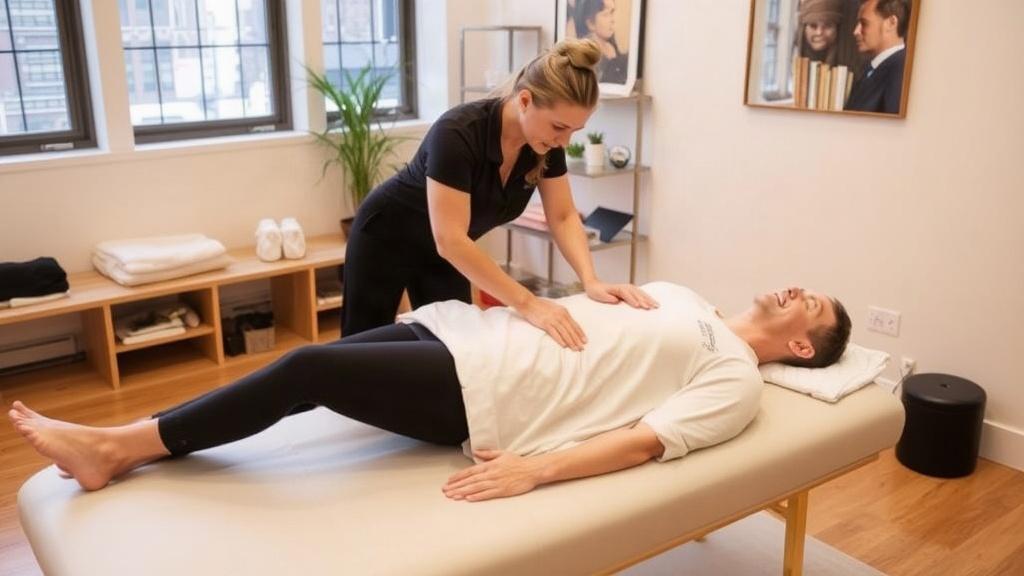
Bodywork is most powerful when it complements movement practice and ergonomic adjustments. Manual therapy can reduce the immediate barriers to movement—tightness, pain, restricted range—while progressive strengthening and mobility work reprogram patterns so improvements stick. Think of hands-on work as the reset; exercise is the practice that sustains the reset.
Small workplace changes can multiply the effect of sessions. Simple adjustments—monitor height, chair support, keyboard position, and scheduled movement breaks—reduce repetitive stress and maintain the gains you get from the table. Many practitioners will coach clients on micro-habits that matter far more than occasional heroic training sessions.
Self-care strategies to use between sessions
After a session, your body continues to adapt. Drink water to help metabolic clearance and allow tissues to rehydrate. Gentle movement—walking, easy cycling, or a short mobility routine—keeps tissues moving and prevents re-skewing into compensatory patterns. Avoid heavy, intense workouts for 24 hours if you’ve had deep, structural work.
Micro-practices can preserve your progress: five minutes of diaphragmatic breathing to calm the nervous system, brief hip or thoracic mobility drills, and mindful posture checks during the workday. These small acts accumulate and support the longer-term structural changes you’re seeking.
Finding specialized services in different Manhattan neighborhoods
Different neighborhoods lean toward specific offerings. Midtown and the Financial District often serve commuters and offer brief, convenient sessions that fit lunch breaks. Neighborhoods like the West Village and SoHo tend to host boutique studios with a focus on restorative experiences and personalized care. Tribeca and Chelsea have several multidisciplinary clinics where bodyworkers partner with physical therapists or Pilates studios.
It helps to align your needs with the neighborhood vibe. If you want a quiet, restorative experience, seek independent studios known for longer sessions and attention to ambiance. If you need coordinated care with rehabilitation professionals, look for clinics that explicitly list collaborative services and shared records.
Technology, apps, and booking in a busy city
Booking platforms and apps have made scheduling much easier, but they’re not the only consideration. Online platforms can help you compare reviews and prices quickly, but they may not capture a practitioner’s depth or specialty. Use apps to find options and then review practitioner bios and certifications before committing.
Respect cancellation policies—demand is high and time slots are limited in Manhattan. If a platform offers memberships or multi-session discounts, calculate total cost and commitment to determine if that model fits your schedule. Some practitioners also offer telehealth consultations for intake conversations and follow-up guidance, which can be efficient between hands-on sessions.
How to communicate chronic issues effectively
When you see a therapist for a long-standing problem, bring clarity to the intake. Describe onset, triggers, and patterns: when the pain started, what activities worsen or relieve it, and any previous treatments. If you’ve had imaging, physical therapy, or injections, share that history—context speeds diagnosis and avoids redundant work.
Keep a symptom diary before your session if possible. Noting times of day when pain spikes, sleep disturbances, or activities that exacerbate symptoms gives the therapist real data to construct targeted interventions. Over time, this documentation helps both of you track progress and refine the plan.
Working with athletes and performers in the city
Athletes and performers often need a blend of rapid recovery techniques and movement re-education. In Manhattan, this clientele benefits from practitioners who understand periodization—how to modulate intensity and technique based on training cycles. Sports-related bodywork focuses on range of motion, scar tissue management, and return-to-performance strategies.
Many clinics offer pre- and post-event services like quick warm-ups, soft-tissue mobilization, and recovery sessions. If you’re training for an event, coordinate with your therapist on timing—sometimes a session the day before competition is counterproductive, while targeted work earlier in the week pays dividends.
Working with pregnancy and postpartum bodies

Pregnancy bodywork requires additional training and sensitivity to changing physiology. Practitioners trained in prenatal massage know positioning accommodations, pressure adjustments, and contraindications for certain techniques. Postpartum work may focus on abdominal rehabilitation, pelvic floor awareness, and scar mobilization after cesarean sections.
If you are pregnant or recently postpartum, ask about specific prenatal or postpartum certification. Some therapists also collaborate with pelvic health physical therapists to ensure safe and effective rehabilitation. A coordinated approach tends to yield the best outcomes for returning comfort and function.
Energy-based and nervous-system-focused approaches
Modalities like craniosacral therapy, Reiki, and some forms of shiatsu emphasize subtle touch and nervous-system regulation. These approaches are often slower and gentler than deep tissue work and can be powerful for conditions where stress, anxiety, or dysregulation play a major role. Clients often report a sense of calm and increased body awareness after sessions.
Not everyone resonates with energy-based work, and that’s fine. If you’re open to it, try a short session with a practitioner who explains their method and invites feedback. If you prefer biomechanical interventions, say so and seek a therapist focused on structural techniques and movement integration.
Evidence and outcomes: what research says
Clinical research supports the use of various manual therapies for pain reduction, improved range of motion, and short-term functional gains in many musculoskeletal conditions. Evidence varies by modality and condition, with stronger support for some approaches—such as manual therapy combined with exercise for low back pain—than for others. The therapeutic alliance and regular, goal-directed sessions are often strong predictors of positive outcomes.
Practical wisdom matters too. Therapists who stay current with research, take continuing education, and adapt their practice to client feedback often produce more consistent results. Discuss expected outcomes and a realistic timeline during intake to set shared objectives and avoid unrealistic expectations.
Real-life examples and lessons learned
I once worked with a client who had persistent shoulder pain from years of hunched desk work. We combined myofascial techniques to release tight layers, structural integration to address posture, and a simple daily mobility routine. Within a few months, the client reported reduced pain and improved sleep. The key was consistent practice between sessions and small workplace adjustments that prevented relapse.
Another client, a violinist, suffered neck strain that flared with long rehearsals. Short, frequent sessions focusing on nervous-system calming and targeted release produced better results than occasional deep work. This reinforced a lesson: often frequency and precision trump one-off intensity.
Red flags to watch for in a practice
Be wary of practitioners who dismiss medical concerns, refuse to communicate about techniques, or insist that a single treatment will permanently fix complex chronic issues. Other red flags include poor hygiene, a lack of documentation for informed consent, and pressure to purchase excessive packages before you try one session.
Trust your instincts. If the therapist’s approach feels too forceful, confusing, or dismissive of your questions, politely end the session and seek another professional. Good clinicians welcome questions and explain their reasoning in clear, accessible terms.
Practical packing list for your session
Bring comfortable clothes for after the session, a water bottle, and any relevant medical records or notes. If you take vitamins or medications that affect circulation or blood pressure, list them for your therapist. Having a small towel or a slip-on layer can be handy for quick post-session comfort while you leave the studio.
- List of medications and medical history
- Relevant imaging or therapy notes
- Loose clothing and a water bottle
- Payment method and a small tip if you prefer cash
How to make the most of repeat sessions
Track changes between visits and report them honestly. Note what improved and what felt different after a session; these observations guide adjustments and help your practitioner refine techniques. If something deteriorates, let your therapist know immediately so the plan can be altered or medical referral considered.
Gradually shift from symptom-focused sessions to maintenance and performance optimization. Early work may concentrate on acute relief, but later sessions can focus on prevention, movement quality, and resilience-building to minimize future issues.
Where to look for reputable information and training
Professional associations and accredited training programs provide useful directories and standards. Look for therapists who engage in continuing education and who can cite specific, evidence-informed training relevant to your condition. Local workshops and practitioner meetups are good ways to test a practitioner’s teaching and communication style before committing to a series.
If you’re curious about training yourself, weekend workshops and short intensives in popular Manhattan studios can be an affordable way to learn basic self-care techniques and understand the theory behind different approaches. Practical exposure helps you make better choices when selecting a therapist.
Budgeting for therapy: ways to make care sustainable
Regular bodywork can add up in an expensive city, but several strategies help make it sustainable. Pre-paid packages reduce per-session cost, sliding-scale clinics and community centers offer lower-cost care, and some employers provide wellness stipends or health plans that reimburse therapeutic services. Ask your practitioner about payment plans and discounts for recurring bookings.
Another approach is alternating bodywork with other supports: a professional massage every few weeks, complemented by weekly self-care routines and targeted physical therapy when needed. Creating a blended plan that mixes professional sessions with affordable daily practices stretches your budget while preserving benefits.
A few final practical tips
Start with one clear goal for your first session so both you and the practitioner can measure progress. Bring realistic expectations—improvement is possible, but chronic tissue changes often take time and a multi-pronged approach. Prioritize communication: your feedback is the single most effective tool for guiding safe and beneficial treatment.
Manhattan has a wealth of skilled therapists; finding the right one is a process of alignment between your needs and a practitioner’s expertise and personality. With thoughtful choices, consistent practice, and clear communication, bodywork can be a powerful ally in managing pain, improving function, and helping you move through the city with less friction and more ease.
Comments are closed.