
Find the right touch: navigating the best massage downtown

Walking into a downtown spa can feel like stepping into a different tempo — one that slows your shoulders and softens your stride. This guide walks you through how to find a high-quality, effective massage in the heart of the city, what to expect, and how to get the most from your time on the table. Whether you want tension erased after a long commute or targeted therapy for a nagging injury, these pages will help you choose wisely and walk out looser than you came in.
Why a downtown massage matters more than you might think
City life compresses time, posture and calm. A massage downtown is not just about luxury; it’s a practical tool for reversing the cumulative toll of sitting, commuting, and racing between meetings. Done well, a single session can reduce pain, improve sleep, and boost focus for days afterward.
The downtown setting adds convenience. Close proximity to work or transit makes it easier to build regular appointments into your week, and frequent sessions compound benefits. Therapists who work in busy urban clinics often have a broad mix of clients and experience treating conditions that arise from office work, travel and athletic cross-training.
What to look for when choosing a downtown spa
Not all spas are created equal, and the differences matter. Look beyond glossy websites and into details: therapist training, cleanliness, clear pricing, and a transparent intake process. Those elements point to a place that values outcomes over overnight trends.
Another important marker is communication. A therapist who asks smart questions about your pain history, daily routine, and goals will design a session that actually helps. If intake forms are short or the therapist skips the consultation, you might get a pleasant massage that misses the problem.
Credentials and professional standards
Licensed therapists have education that covers anatomy, contraindications and safe techniques. Licensing varies by state, so check local requirements and whether the spa posts therapist credentials. Advanced certifications—such as orthopedic massage, myofascial release, or sports therapy—are additional pluses for specific needs.
Also consider whether the clinic participates in continuing education and professional associations. Those indicate a commitment to current best practices, which translates into safer, more effective care for clients with complex issues.
Modalities and what they actually do
Massage today is a toolbox of techniques, each with a purpose. Swedish massage promotes relaxation and circulation; deep tissue targets chronic knots and adhesions; sports massage focuses on performance and recovery; myofascial release addresses connective tissue restrictions. Understanding the basics helps you ask the right questions when booking.
A therapist who listens will tailor pressure and methods rather than offering a one-size-fits-all approach. If a spa catalogs every technique under the sun but can’t explain when to use each one, that’s a red flag. Practical, down-to-earth explanations are what you want.
Ambiance, privacy and accessibility
Ambiance matters for the simple reason that relaxation is partly sensory. Soundproofing, clean linens, adjustable lighting and a comfortable treatment table are small details that add up. A downtown clinic should create a quiet bubble, even if city noise is banging just outside its doors.
Accessibility is part of good design too. Check for elevator access, clear directions, and staff trained to assist clients with mobility limitations. Inclusivity—from gender-neutral intake forms to therapists experienced with diverse bodies—signals a spa that accommodates real people, not just idealized clients.
Price structures: what you pay for and when to splurge
Urban massages come with price variance for good reasons: location, therapist experience and treatment length all affect cost. High price alone doesn’t guarantee better therapy, but extremely low rates can indicate inexperienced staff or rushed sessions. Aim for a balance between therapist qualification and fair pricing.
Consider value rather than sticker shock. A skilled therapist who can address a chronic shoulder issue in three sessions offers more long-term benefit than a cheaper, pleasant but ineffective hour. If you’re managing a condition, investing in expertise pays off.
Location and scheduling convenience
A downtown massage’s practical benefit is being easy to fit into your day. Look for clinics with flexible hours, online booking, and proximity to your commute or workplace. A 45-minute session two blocks from your office is more likely to happen regularly than a two-hour drive to a destination spa.
Also check how they handle walk-ins and late cancellations. Busy urban clinics often have tight schedules, so transparent cancellation policies keep things fair for everyone and help you plan responsibly.
What to expect during your first downtown session
Your first visit sets the tone. Expect an intake that covers medical history, medications, injuries and current symptoms. A competent therapist will use that information to tailor pressure, positioning and techniques to your needs and safety.
Draping and privacy are standard practice. Therapists will explain how to disrobe to your comfort level and which areas will be worked on. If anything feels invasive or uncomfortable, speak up; a good therapist will adjust immediately.
Communication during the session matters. You should feel comfortable asking for more or less pressure, pausing for breaks, or requesting more focus on a problem area. Therapists who check in periodically usually deliver better outcomes by staying aligned with your feedback.
Common techniques used by urban therapists
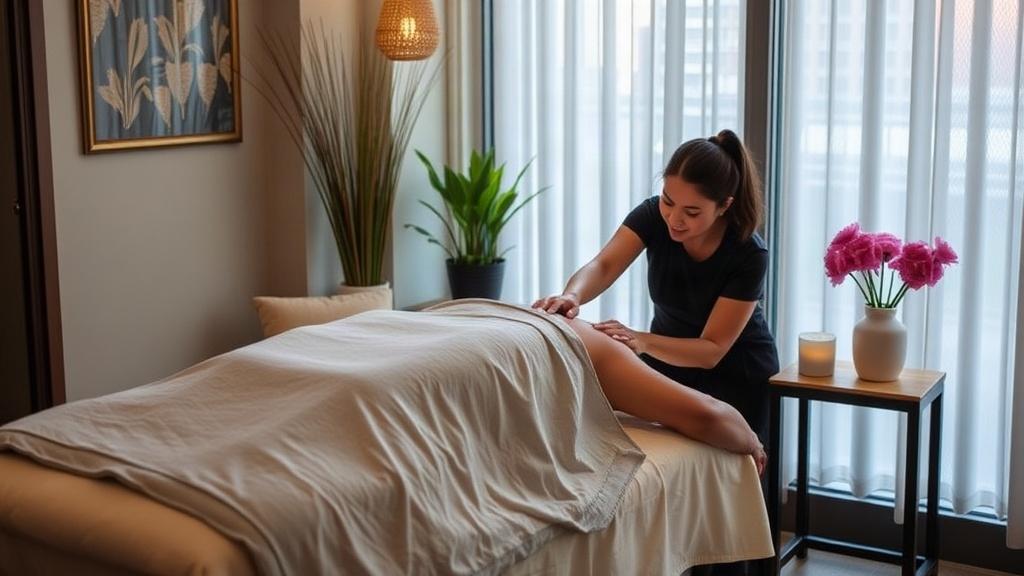
Nearly every clinic offers Swedish and deep tissue, but many downtown practices layer in specialized techniques. Trigger-point therapy seeks out hyperirritable spots and uses sustained pressure to reduce referred pain. Myofascial release works gently to free tight connective tissue, often with surprising long-term gains.
Sports massage combines range-of-motion work and targeted pressure for athletes or anyone with repetitive motion injuries. Lymphatic drainage is lighter and helps with swelling and detoxification. Hot stones, aromatherapy and cupping are available too, though their therapeutic value varies and depends on the practitioner’s skill.
A quick reference table of common therapies
| Technique | Primary aim | Typical pressure | Good for |
|---|---|---|---|
| Swedish | Relaxation, circulation | Light to moderate | Stress, general soreness |
| Deep tissue | Chronic tension, adhesions | Firm | Neck/shoulder knots, back pain |
| Sports | Performance, recovery | Moderate to firm | Runner’s hip, tennis elbow |
| Myofascial release | Connective tissue mobility | Light to moderate, sustained | Postural restrictions, chronic tightness |
| Lymphatic drainage | Reduce swelling, fluid flow | Very light | Post-surgical swelling, edema |
Use this table as a starting point when discussing options with a therapist. Real treatment plans often combine techniques to suit individual needs, rather than sticking to a single box.
How to prepare for a session and what to bring
Preparation improves outcomes. Hydrate in the hours before your appointment and avoid heavy meals immediately prior. Comfortable clothing helps you relax and makes pre- and post-session movement easier.
Bring any relevant paperwork—X-rays, physical therapy notes, or a letter from your doctor if you’re working on a specific condition. If you’re new to massage, a short list of current medications and a note about recent surgeries will speed the intake process and improve safety.
Etiquette and communication tips
Be on time; therapists schedule clients back-to-back and a late arrival shortens your treatment. Turn off your phone or set it to airplane mode so the session can remain undisturbed. If you’re anxious, say so; a good therapist can guide you into relaxation with pacing and softer techniques.
Discuss your pain levels openly. If pressure is painful in a way that’s sharp, burning or radiating, that’s different from the deep, dull discomfort of pressure working through a knot. Clear, specific feedback helps the therapist choose the safest approach.
Aftercare: what to do once you leave the table
Post-session habits influence how long the benefits last. Drink water to flush metabolic byproducts from tissues and support circulation. A gentle walk after the massage helps keep tissues loose and prevents stiffness.
Expect some soreness, especially after deep work; it should ease within 24–48 hours. Use heat or light stretching to support recovery, and avoid intense workouts for 24 hours to give treated tissue a chance to settle. If unusual or worsening pain occurs, contact your therapist or health provider.
Simple stretches that extend the benefit
A few targeted stretches can prolong relief. For neck stiffness, gently tilt your head toward each shoulder and hold for 20–30 seconds. For low back discomfort, a supine knee-to-chest stretch eases tension without loading the spine. Ask your therapist for specific moves tailored to what they treated.
Consistency trumps intensity. Ten minutes of daily mobility work preserves the gains from a high-quality session far better than occasional extreme stretching. Make those small routines a habit and you’ll see steady improvement.
Finding reputable downtown options: search strategies that actually work
Start with referrals from people whose judgment you trust—trainers, physical therapists, coworkers and friends. Word-of-mouth narrows the field quickly because it reflects real outcomes. When you don’t have a referral, investigative browsing helps.
Read recent reviews with an eye for patterns. Multiple comments about pressure, communication, and consistent appointments are more informative than one-off praise. Watch for clinics that respond to negative feedback professionally—that demonstrates accountability and customer care.
Questions to ask before you book
- What are the therapist’s credentials and years of experience?
- Do you carry insurance and what infection control measures do you follow?
- Can you tailor the session to my specific pain and goals?
- What is your cancellation policy and do you offer shorter trial sessions?
- Is the environment quiet and private, and is there accessible entry?
These questions clarify the clinic’s procedures and help you decide if it’s a good fit. A transparent business will answer openly and without pressure.
Real-life examples: what worked for me and people I’ve known
I once worked through persistent shoulder pain caused by a combination of desk posture and a weekend of heavy lifting. A downtown clinic with therapists trained in orthopedic massage evaluated my movement patterns and used a mix of deep tissue and myofascial release. After three sessions spaced a week apart, my overhead range improved and the nagging pain faded.
Another client, a cyclist, had recurring IT band irritation that resisted stretching alone. A sports-massage therapist focused on glute activation, hip mobility and cross-fiber friction on the thigh. Combined with a brief strength program, monthly maintenance sessions kept the problem at bay and improved race times.
These stories highlight a theme: the right therapist with targeted techniques plus a modest home program often beats a single indulgent treatment that lacks specificity. Downtown clinics that offer integrated care—massage plus referrals to PT or trainers—deliver measurable results faster.
Memberships, packages and how to budget
Many downtown spas offer memberships that reduce per-session costs and encourage consistency. If you plan monthly maintenance, a membership or package often saves money and secures priority booking. Consider how often you realistically can go before committing.
Ask about what packages include and whether unused sessions roll over. Some clinics bundle services—bodywork with cupping or stretch sessions—that provide variety and targeted benefit at a lower total cost than single hourly visits.
Insurance, medical massage and referrals
Some medical massage may be covered by insurance when prescribed by a physician for a documented condition. Policies differ widely, so check your coverage. If your issue is beyond routine soreness—like post-surgical scarring or a chronic orthopedic problem—ask your doctor for a referral to a clinic that accepts medical billing.
Clinics that coordinate with local health providers tend to handle more complex cases well. They’re used to documenting treatments, communicating with physicians, and integrating massage with broader care plans, which is crucial for long-term recovery.
Safety, contraindications and telling your therapist the truth
Honesty at intake is a safety issue. Conditions like blood clots, uncontrolled high blood pressure, certain cancers, and recent surgeries may make some techniques unsafe. Tell the therapist about medications that thin blood, autoimmune conditions, or any recent changes in your health.
Therapists should screen for red flags and modify or refuse certain interventions when necessary. If anyone suggests a treatment that feels risky and they can’t justify why it’s safe, seek a second opinion. Safety trumps novelty every time.
Trauma-informed and inclusive massage practices
More clinics are adopting trauma-informed approaches that prioritize consent, predictable procedures and client choice. These practices can be crucial for clients with a history of trauma who need clear boundaries and communication. Ask whether therapists are trained in trauma-informed care if it matters to you.
Inclusivity also shows up in subtle ways—pronoun usage, nonjudgmental language about bodies, and openness to diverse gender identities. A downtown clinic that commits to these norms creates a safer environment which in turn improves therapeutic outcomes.
Accessibility considerations in the city core
Downtown buildings can be inaccessible, but many clinics take steps to be user friendly. Confirm elevator access, parking options, and whether the clinic can accommodate a mobility device. Small touches, like a bench to sit while removing shoes, make a big difference for some clients.
If you require a therapist who uses a specific table height or needs an assistant for transfers, call ahead. Reputable clinics will explain how they can meet your needs or refer you to someone who can.
How often should you go? Setting a realistic schedule
Frequency depends on goals. For acute pain, twice-weekly sessions for a short period can accelerate recovery. For maintenance, once every two to four weeks commonly prevents the return of chronic tension. Your therapist should recommend a plan that balances progress with your schedule and budget.
Pay attention to how your body responds. If you notice steady improvement and longer-lasting relief, you’ve likely found the right cadence. If symptoms return quickly, discuss alternative techniques or a combination of therapies with your practitioner.
Packing a downtown session into a busy day
Time management makes downtown massage practical. Book during a lunch break, early morning, or right after work so traffic and errands don’t eat into your session. Allocate an extra 15 minutes for intake and a few minutes afterward to adjust before returning to the day.
Consider scheduling your session at a time when you can follow with restorative activities—a quiet commute, a gentle meal, and sleep—rather than jumping straight into strenuous tasks. That buffer increases the value of your treatment.
How to test a new therapist without a big commitment
Many clinics offer shorter trial sessions or “tune-up” appointments that last 30 minutes. Use those to sample communication style, pressure and environment without a full-hour cost commitment. This approach reduces buyer’s remorse and helps match you with a therapist you trust.
Ask for a consult first if you’re unsure. A 10- to 15-minute consultation can reveal whether the therapist understands your issues and can explain a plan. If you leave the consult confident, you can schedule a full session with less risk.
Common mistakes and how to avoid them
Skipping the consultation, expecting pain to be cured in one session, and ignoring post-treatment instructions are frequent missteps. Addressing these early saves time and money. Treat massage as part of a broader self-care plan, not a magical one-off fix.
Another mistake is focusing solely on relaxation when structural problems need targeted therapy. If your goal is performance or rehabilitation, ask for therapists who specialize in orthopedic or sports massage rather than defaulting to a spa-style treatment.
Combining massage with other downtown wellness options
Downtown wellness ecosystems often cluster—studios, PT clinics, and yoga spaces close together. Combining services can amplify benefits. For instance, a therapist and a local Pilates instructor collaborating on a plan can correct movement patterns that cause recurring tightness.
Look for clinics that have formal partnerships with movement specialists or one that makes thoughtful referrals. Integrated care saves you time and leads to more lasting change than isolated treatments.
Final practical tips for getting the most from your downtown massage
Be proactive about communication: tell your therapist when something helps or hurts, and follow their homecare advice. Schedule the next appointment before you leave if you found value; consistency compounds benefit. Little changes in routine—hydration, short daily stretches, and sleep—make therapy stick.
When searching, don’t chase a single “best” label. The ideal therapist is one who understands your body, has the right skills for your problem, and fits into your life. With a few thoughtful choices, a downtown massage can become a reliable tool for staying functional, focused and firmly in charge of your own well-being.
Comments are closed.