
Discovering Japanese massage in Manhattan: tradition tuned to the city’s tempo
Manhattan moves fast — a constant hum of subways, deadlines, and foot traffic that can compress your shoulders into a permanent shrug. Finding a calm, skillful touch in that rush is an art in itself, and Japanese bodywork offers a clear, rooted alternative to hurried options. This article walks you through the styles, etiquette, locations, and what to expect when seeking a restorative session here in the city.
What makes Japanese massage distinct?
Japanese forms of bodywork emphasize balance, pressure, and an understanding of how energy and structure interact. Rather than focusing solely on muscle kneading, many traditions use compression, joint mobilization, and precise finger pressure to address both surface tension and deeper alignment.
Two well-known methods, shiatsu and anma, reflect that philosophical blend. Shiatsu applies sustained finger pressure to specific points along meridians; anma leans more on rhythmic kneading and movement to restore flow. The common thread is intention: each technique is practiced with awareness of breath, rhythm, and the body’s response.
Brief history and cultural roots
Japanese massage did not appear overnight. It is the product of centuries of medical thinking, folk practice, and interaction with Chinese and indigenous healing methods. By the Edo period, massage techniques had become codified and widely practiced in Japan in both medical and everyday contexts.
Over the 20th century, Japanese styles traveled abroad and adapted. Practitioners refined pressure points and systemized sequences, which made these treatments easier to teach and integrate into clinical settings. Modern practitioners often blend traditional forms with current anatomical knowledge, creating a disciplined, accessible approach.
Shiatsu: the most recognized name
Shiatsu is the best-known Japanese modality outside Japan. It draws on meridian theory similar to acupuncture but uses fingers, thumbs, and palms instead of needles. Sessions typically involve light-to-firm pressure applied along energy pathways to release stagnation and support overall balance.
Technically, shiatsu can be performed on a mat on the floor or on a massage table, depending on the practitioner’s training and the client’s needs. The pace is deliberate; you’ll often notice the practitioner waiting calmly over a point while feeling for micro-movements in the tissues.
Anma and other traditional techniques
Anma predates shiatsu in many ways and influenced its development. It uses kneading, rubbing, and tapping motions, and was historically practiced for both therapeutic and comfort purposes. In contemporary practice, anma is sometimes incorporated into relaxation-focused sessions to enhance circulation and elasticity.
Other techniques you may encounter include amma (a short-form tradition oriented to chair massage) and seitai (which focuses on skeletal alignment and posture). Each carries its own logic for how touch affects structure and function, but they all value attentiveness and the practitioner’s sensitivity.
Why Manhattan is fertile ground for these practices
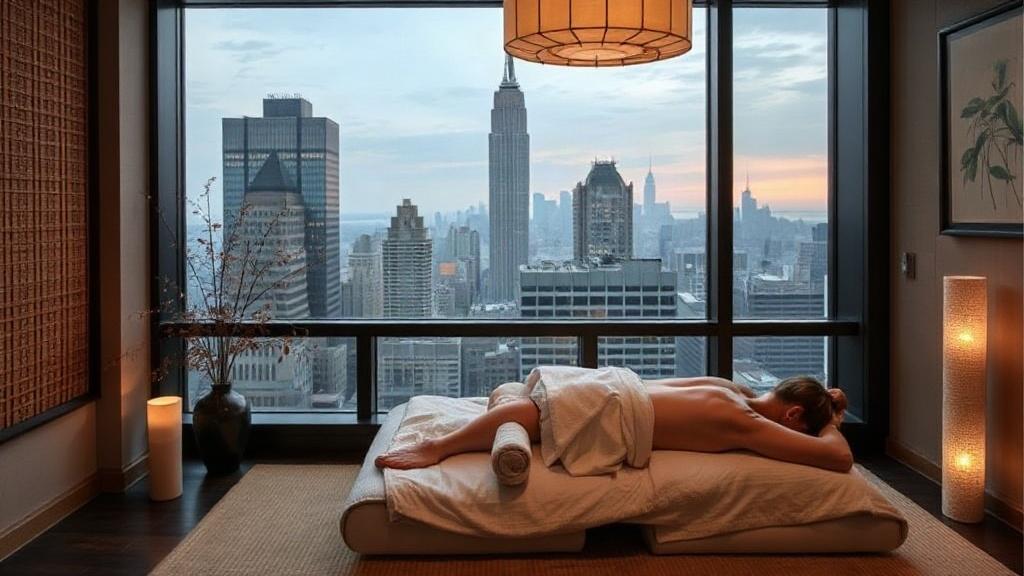
The city loves specialization. Manhattan’s vast wellness scene supports niche offerings that entwine traditional practices with modern lifestyles. Japanese bodywork thrives here because it suits busy people who need efficient, deep work that respects their schedules and bodies.
Studios in Manhattan often combine authentic techniques with contemporary comforts: private treatment rooms, appointment flexibility, and integrative services. That mix appeals to professionals, creatives, and anyone seeking a reliable respite from urban strain.
What to expect during your first session
Booking a session usually means choosing a duration and style. Many studios offer 30-, 60-, and 90-minute options. For newcomers, a 60-minute appointment gives enough time for assessment and a thorough treatment without feeling rushed.
On arrival you’ll typically fill out a brief intake form noting injuries, medications, and areas of concern. The practitioner will ask a few targeted questions about sleep, stress, or chronic pain, and then outline the plan for the session. Communication early on helps set pressure levels and treatment goals.
Session structure and pacing
A typical session begins with light palpation and breathing cues to help you relax. The practitioner may work across meridians or specific muscle chains, alternating focused pressure with broader strokes. Movements are often rhythmic, and you might notice purposeful pauses where the therapist senses a release.
Unlike some Western massages that focus purely on muscle relaxation, many Japanese sessions include joint mobilizations and gentle traction. These components aim to restore range of motion as well as relieve tension, which can be especially helpful after long hours at a desk.
Clothing and modesty
Many Japanese-style treatments are performed with the client clothed, especially shiatsu and some forms of anma. Lightweight, loose clothing like a T-shirt and sweatpants usually suffice. If a therapist needs to work on an area that requires direct skin contact, they will ask permission first and provide draping.
If you prefer a table massage that uses oils, that can be arranged too, though it leans more into Western massage conventions. Always tell the receptionist your preference when booking so the therapist can prepare appropriately.
How to choose the right practitioner in Manhattan
Credentials matter, but so do presence and fit. Look for practitioners with formal training in shiatsu, anma, or related modalities, and check reviews for consistency rather than perfection. A therapist who listens, explains clearly, and adjusts pressure to your feedback is worth prioritizing over one with flashy certifications but poor bedside manner.
Affiliations with reputable bodies — such as national shiatsu associations or licensed massage therapy boards — indicate a commitment to standards. However, small independent practitioners can be outstanding when they bring years of experience and a thoughtful touch.
Questions to ask before you book
- What is your training and how long have you practiced this technique?
- Do you specialize in pain management, relaxation, or both?
- How do you handle medical conditions or injuries?
- Is the treatment usually clothed or with oils?
- Can I request stronger or lighter pressure during the session?
These questions help you anticipate a good fit and prevent awkward surprises. Reputable studios welcome them and will tailor the session to your needs.
Etiquette and tipping in Manhattan studios
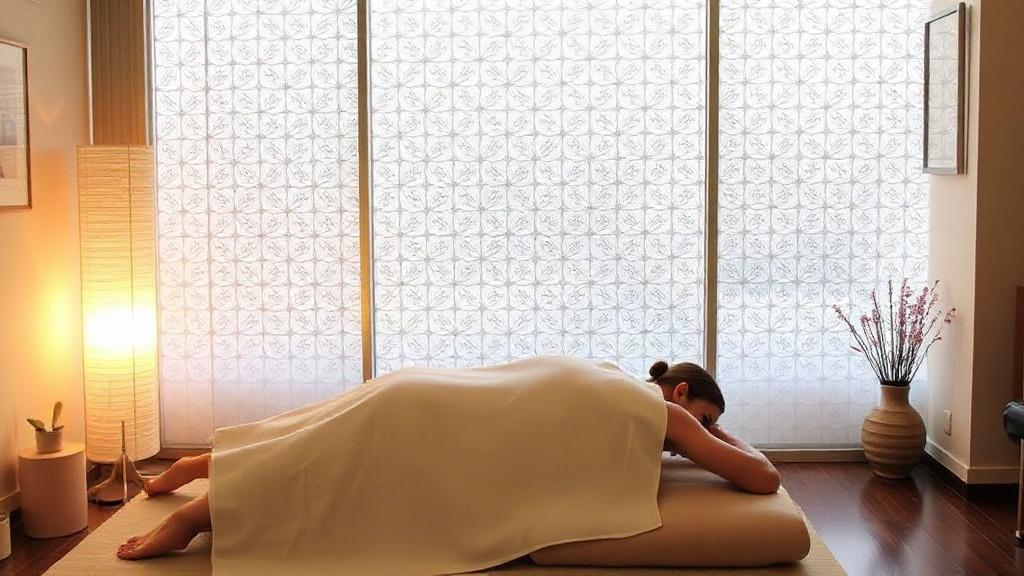
Manhattan inherits certain customs from both spa culture and medical settings. Arrive a few minutes early to complete forms and settle in. If you need to cancel, call at least 24 hours in advance — many places enforce late cancellation fees.
Tipping is common but varies by setting. For independent practitioners or boutique studios, a 15–20% tip is typical for good service. Larger medical or institutional settings may discourage tipping; check the studio policy if you’re unsure.
Pricing: what you’ll typically pay
Prices in Manhattan reflect location, therapist experience, and studio quality. Expect a 60-minute shiatsu or anma session to range from moderately priced neighborhood studios to higher rates in luxury spas. Packages and memberships can reduce per-session costs if you plan regular visits.
Some clinics offer sliding scales or community nights to make treatments accessible. If cost is a concern, call studios directly and ask about promotions or introductory rates before booking.
Sample price range
To give you a practical sense, here’s a compact overview of typical price points you might see in Manhattan. Exact numbers shift, but this table captures broad expectations.
| Session length | Neighborhood studio | High-end spa |
|---|---|---|
| 30 minutes | $45–$75 | $80–$120 |
| 60 minutes | $75–$130 | $140–$260 |
| 90 minutes | $110–$180 | $220–$380 |
Comparing Japanese massage to other modalities
Compared with deep-tissue or sports massage, Japanese modalities concentrate on pressure points and meridian flow. They can be equally effective for chronic pain but often incorporate more breath-awareness and structural adjustments. The net effect tends to be systemic rather than merely local relief.
Compared to relaxation-focused Swedish massage, Japanese techniques can feel firmer and more targeted. Yet many therapists skillfully blend calming strokes with focused acupressure to produce both relaxation and functional change.
When to pick which style
- If you need improved mobility and joint function, consider a practitioner trained in seitai or shiatsu with mobilization experience.
- If chronic knots and circulation issues are your main complaint, anma combined with targeted pressure can be effective.
- For pure relaxation after a long week, request a gentler, Swedish-influenced session with elements of Japanese work.
Personal preference and clear communication guide the best choice. Ask the therapist to explain why they’re using certain techniques and how those choices serve your goals.
Safety, licensing, and what to watch for
Manhattan regulators require massage therapists to hold appropriate licenses and to operate in hygienic, safe environments. Confirm that the studio visibly posts licensing information and maintains clean linens and equipment. Reputable places will also follow basic safety protocols for infection control.
Be cautious if a practitioner makes medical claims beyond general wellness or asks you to remove clothing beyond what’s needed for the session. Trust your instincts: a professional will explain their approach and obtain informed consent before doing anything unexpected.
Where to find authentic experiences in Manhattan
Authentic Japanese-style sessions are available across Manhattan, from the East Village to Midtown and the Upper West Side. Neighborhood clinics tend to emphasize affordable, technically strong treatments, while destination spas might dress the experience in luxury. Each neighborhood offers a different vibe, so think about whether you want quiet efficiency or an indulgent escape.
Word-of-mouth and targeted searches help. Look for practitioners who consistently mention formal shiatsu or anma certification, or who have studied in Japan. Community forums and local wellness groups are useful resources for real, current recommendations.
Neighborhood highlights
The East Village and West Village host many small, focused clinics favored by creative professionals and long-time locals. Midtown contains destination spas that blend traditional techniques with modern amenities, making them appealing for visitors. The Upper East and West Sides often balance clinical and luxe approaches, serving families and commuters.
Try exploring areas that match your energy: choose a quiet village clinic if you value intimacy, or a Midtown spa if convenience and amenities matter most.
Booking, packages, and frequency
Decide how often you want sessions before committing to a package. For chronic issues, weekly or biweekly sessions often produce measurable improvement in posture and pain levels. For maintenance, monthly visits can sustain gains and prevent re-tightening.
Many studios offer packages that reduce the individual cost and lock in consistent scheduling — which is helpful if your weeks are unpredictable. When buying packages ask about expiration policies and the ability to gift or transfer sessions in case life disrupts your plans.
Personal experience: my first shiatsu in Manhattan
I still remember the first time I tried shiatsu in a compact studio near my office. I was skeptical: could a clothed treatment in thirty minutes really make a dent in months of desk-related stiffness? The therapist began by listening carefully and then used slow, firm pressure that felt more like a conversation than a manipulation.
By the end of the session my neck had unclenched and my breath felt broader. I left with a simple home routine the practitioner recommended — a few stretches and a mindful breathing drill — and those two small habits extended the session’s benefits for days. That combination of hands-on work plus usable takeaways is what keeps me returning.
Simple self-care and aftercare tips
After a session, hydrate and move gently. The body often releases metabolic byproducts as tissues relax, and water helps flush that through. A gentle walk or light stretching later in the day helps integrate changes and prevents a sudden return to old patterns.
Avoid heavy exercise immediately after a deep session; give your system a few hours to settle. If you feel transient soreness the next day, that’s usually a sign tissues recalibrating. If pain is sharp or increasing, contact your practitioner for guidance.
Short daily routine to complement sessions
- Morning: two minutes of diaphragmatic breathing to set a calm baseline.
- Midday: seated spinal twist and chest opener for 60 seconds each side.
- Evening: gentle neck rolls and shoulder shrugs while breathing slowly for three minutes.
These habits are small but effective when paired with regular professional care.
Common questions people ask
People often ask whether these treatments are painful or whether they require special clothing. Pain is not the intended outcome; practitioners aim for a therapeutic intensity that you can tolerate while remaining relaxed. Good therapists check in constantly to calibrate pressure.
Regarding clothing, many Japanese-style sessions keep you clothed in comfortable garments. The studio will advise on appropriate attire when you book. If oil work is needed, you’ll be told in advance so you can plan accordingly.
Quick FAQ
Is shiatsu safe during pregnancy? Some techniques are adapted for pregnancy, but always consult your healthcare provider and inform the practitioner. Are sessions covered by insurance? Some plans cover therapeutic sessions when a physician prescribes them; check your policy and ask the studio for the necessary documentation.
Finding value beyond the session
Great practitioners offer more than hands-on time: they provide education. A therapist who explains why certain areas tense up, offers simple home practices, and helps you notice patterns in daily posture increases the long-term value of each appointment. That educational element is often the most powerful return on investment.
Consider therapists who collaborate with other professionals — chiropractors, acupuncturists, or physiotherapists — when your issues require a multi-disciplinary approach. Manhattan’s dense professional network makes those referrals easy to find.
Final thoughts before you book
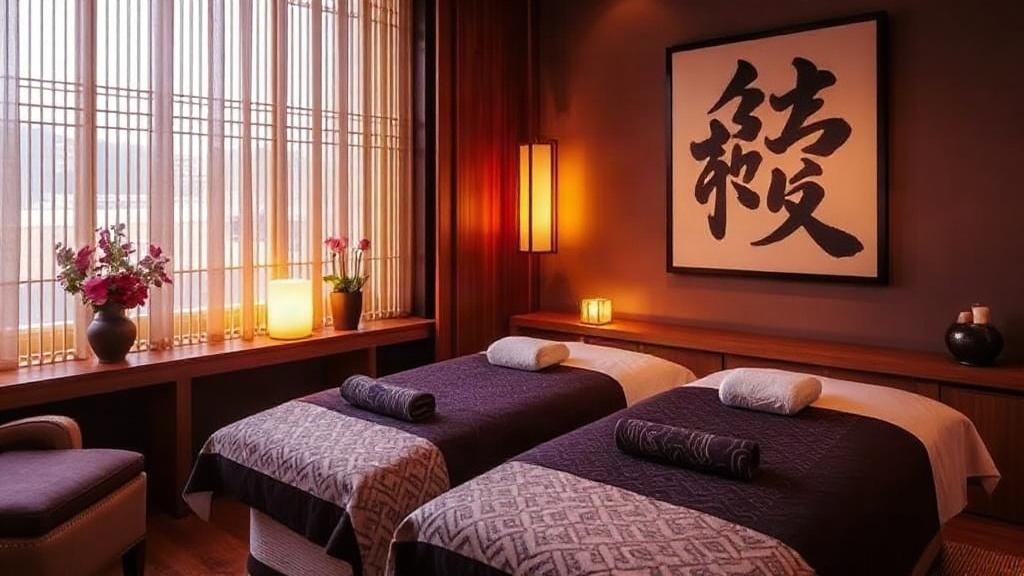
Exploring Japanese bodywork in Manhattan is as much about finding the right match as it is about the technique. Prioritize clear communication, a sense of comfort with the practitioner, and a studio whose ethos aligns with your needs. When those pieces fall into place, a single session can rewrite how your body carries the city.
Whether you want targeted relief, a mindful pause, or a sustainable routine for long-term mobility, the thoughtful approach of Japanese methods is worth sampling. Book a session that suits your schedule, arrive with an open mind, and treat it as a short investment in long-term function and calm.
Comments are closed.