
discovering bold flavors: a practical guide to exotic rubs

Walk into any well-stocked spice aisle and you feel the promise of something new: aromas that suggest distant markets, smoky kitchens, and recipes scribbled in margins. This guide takes that promise seriously, showing you how to translate unfamiliar spices into home-cooked triumphs. Whether you want to dress a simple chicken breast or to reinvent weekend barbecue, the tools and techniques here will help you create balanced, adventurous blends without losing control of the final dish.
what we mean by “exotic”
“Exotic” can be a slippery word, slipping between novelty and otherness. For our purposes it means flavor combinations and ingredients that are uncommon in everyday American kitchens—things like grains of paradise, dried hibiscus, or smoked urfa biber—used thoughtfully and contextually.
Labeling a spice as exotic says more about the cook than the spice; what is exotic to one family is everyday fare to another. The important part is respecting the culinary traditions these spices come from and learning how to blend them so they enhance rather than overpower.
In the pages that follow I’ll show how to borrow techniques and flavor motifs from other cuisines while keeping each rub grounded and usable. The goal is to broaden your pantry and sharpen your instincts so you can make confident choices at the stove or grill.
essential flavor building blocks
A good rub is a small architecture of tastes: salt for structure, acid for brightness, sugar for caramelization, heat for momentum, and aromatics for identity. Understanding these roles helps you design blends that perform across cooking methods and proteins.
Salt is the foundation; it seasons and extracts moisture. Sugars—brown sugar, palm sugar, or even jaggery—create a desirable crust, but balance is crucial to avoid burning. Heat can be direct, from chiles and black pepper, or implied, from spice combinations that stimulate the palate.
Aromatics like cumin, coriander, star anise, or cardamom provide the personality of a rub. Use them sparingly at first: toasting whole seeds lightly amplifies their fragrance and smooths harsh edges. Finally, a small umami element—dried mushroom powder, ground anchovy, or kelp—can deepen a rub without making it overtly savory.
spices, herbs, salts and modifiers: a quick reference
Below is a compact table to help you match spice types to the sensations they typically deliver. Use it as a creative prompt when assembling your own blends or adapting a recipe.
| Ingredient | Primary note | Typical use |
|---|---|---|
| Sumac | Citrus, tangy | Brightening grilled meats, salads |
| Smoked paprika | Smoky, sweet | Barbecue rubs, roasted vegetables |
| Berbere | Warm, complex heat | Stews, lamb, chicken rubs |
| Jamaican allspice | Clove-like, peppery | Caribbean-style rubs, pork |
| Gochugaru | Fruity heat | Korean-style ribs, tteokbokki seasoning |
regional inspirations: turning cultural motifs into usable blends
Every cuisine offers patterns of flavor you can borrow. The trick is to extract the motif—the balance, the rhythm of heat and acid—and reapply it in ways that respect the source. Below I walk through several regions and their hallmark spice combinations, showing how they translate into approachable rubs.
I use the word “motif” deliberately; you want the echo of a cuisine, not a caricature. When I first began experimenting, I learned to taste and identify what made each regional profile distinct before attempting to replicate it in a rub.
North African and Middle Eastern motifs
North African blends often layer warm, aromatic spices with floral and bitter notes: cumin, coriander, cinnamon, and preserved lemon are common partners. Harissa and ras el hanout inspire blends built for lamb, eggplant, and slow-roasted vegetables.
To adapt these flavors into a dry rub, focus on toasted seeds for depth and a small pinch of floral spice—like rose or lavender—only if it’s subtle. Adding a citrus element, such as dried lemon powder or sumac, brightens the final result and offsets the richness of long-cooking meats.
South Asian complexity
South Asian cooking favors layered cooking methods—tempering spices in fat, then building sauces. For a dry rub, capture that layered approach by toasting and grinding whole spices, then mixing them with ground chiles and a touch of sugar to promote caramelization.
Fenugreek, curry leaves (dried and crumbled), and asafoetida are potent: small amounts go a long way. If you like heat, use Kashmiri chili for color and mild warmth instead of an overpowering crushed red pepper.
Southeast Asian brightness
Southeast Asia leans on citrus, fresh herbs, and fermented elements. A rub inspired by this region might include kaffir lime zest powder, toasted coriander, and a hint of shrimp powder for umami. Keep it light-handed—these flavors thrive when they sing with crispness.
When I make a Southeast Asian–leaning rub for fish or shrimp, I use palm sugar and lime powder to ensure both caramelization and a bright finish. The result is more like seasoning for quick grilling than a heavy barbecue paste.
East Asian umami and warmth
Chinese and Japanese motifs often emphasize umami and subtle sweetness. Ingredients like five-spice, toasted sesame, and soy powder can be incorporated into rubs for pork belly or chicken wings to create a caramelized, deeply savory crust.
Balance is critical: too much five-spice makes a rub medicinal. I keep it as one accent among several components, pairing it with ground ginger and a tiny amount of ground star anise to round the blend.
Caribbean intensity
Caribbean blends frequently combine heat with allspice and citrus: think fiery scotch bonnet, pimento (allspice), thyme and bright lime. Jerk seasoning is the obvious template but can be distilled into a dry rub for grilling or oven roasting.
For domestic cooking, choose ground allspice and smoked scotch bonnet flakes for authenticity and convenience. When I make a jerk-style rub at home, I add grated orange zest and a pinch of nutmeg to lift the heavier notes.
South American zest
South American flavors draw on chiles like aji amarillo, citrusy herbs, and smoky notes from peppers and char. Peruvian-inspired rubs highlight aji amarillo powder, cumin, and garlic, producing a bright, fruity heat well-suited to chicken and grilled vegetables.
To make a dry rub that reads Peruvian without being literal, I combine ground aji with smoked paprika, garlic powder, and a touch of brown sugar. The sugar caramelizes while the aji contributes a unique, slightly fruity heat.
how to craft your own rub: a step-by-step approach
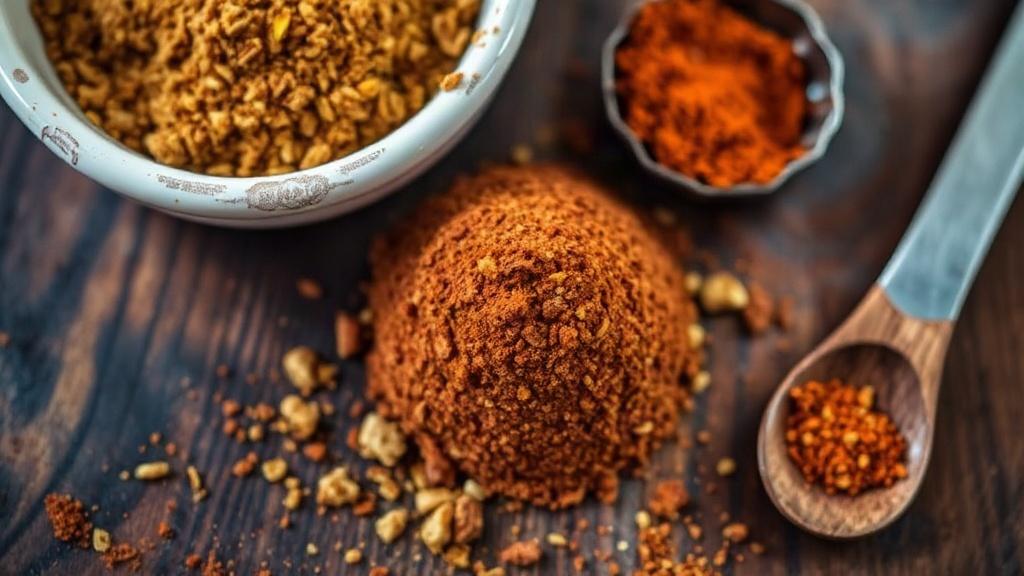
Designing a rub is both creative and systematic. Follow these steps to arrive at a balanced, repeatable blend that suits the cooking method and protein you plan to use.
- Choose a dominant profile: smoky, citrusy, floral, or peppery. This will guide your spice selection.
- Pick a base salt: kosher salt for general use, flaky sea salt for finishing. Measure by weight for consistency when possible.
- Add a sweetener if needed: brown sugar, coconut sugar, or panela, adjusting to the cooking method.
- Layer in aromatics and heat: toast whole seeds, grind them, then blend with dried chiles, powdered herbs, and umami touches.
- Fine-tune with acid and bitter notes: sumac, dried citrus zest, or a pinch of fenugreek can sharpen and balance.
I recommend small test batches—two tablespoons at a time—until you get the balance right. I keep a notebook of ratios; after a few trials you’ll know whether to nudge the heat up, pull back on sugar, or add more acidity.
Store your final blend in an airtight jar in a cool, dark place and label it with the date. Freshness matters: most home-made rubs are at their best within three months.
practical tips for measuring and toasting
Accurate measurement improves repeatability. Weighing spices, even coarsely, removes the guesswork that leads to inconsistent batches. If you don’t have a scale, use level teaspoons and tablespoons and write the conversions in your notebook.
Toasting seeds and whole spices changes their character dramatically, releasing oils and deepening flavor. Use a dry skillet over medium heat, swirl constantly, and remove them the moment they become fragrant to avoid bitterness. Grind them while warm for the smoothest texture.
recipes to try at home
Below are a selection of tested rubs that showcase different global influences. Each is written for a typical home cook and scaled to be flexible—double or triple any recipe for gifts or batches.
Moroccan lamb rub
Ingredients:
- 1 tablespoon ground cumin
- 1 tablespoon ground coriander
- 1 teaspoon ground cinnamon
- 1 teaspoon smoked paprika
- 1 teaspoon kosher salt
- 1 teaspoon black pepper
- 1/2 teaspoon ground ginger
- 1/4 teaspoon ground cloves
Mix the ingredients thoroughly and rub evenly over a leg of lamb or lamb chops. For best results, let the meat rest with the rub refrigerated for at least two hours or overnight. Roast or grill according to your preferred method; the warm spices complement lamb’s natural richness and create an aromatic crust.
I once used a version of this rub for a small lamb shoulder at a family dinner. The overnight rest allowed the flavors to penetrate deeply, and the skin caramelized into a fragrant, crackling exterior that people still talk about.
Chinese five-spice coffee rub
Ingredients:
- 2 teaspoons ground coffee (fine)
- 1 teaspoon Chinese five-spice
- 1 tablespoon brown sugar
- 1 teaspoon kosher salt
- 1/2 teaspoon ground white pepper
- 1/2 teaspoon garlic powder
This rub is excellent on brisket or pork shoulder, using the coffee to deepen and anchor the five-spice’s sweet and anise notes. Apply liberally, then smoke or slow-roast low and slow until the meat is tender. The coffee helps form a dark, flavorful bark without bitterness when cooked gently.
I tested this rub on an autumn weekend and found the interplay of coffee and five-spice surprisingly complex—the coffee’s roastiness grounded the background sweetness and made the overall profile feel intentionally composed rather than gimmicky.
Jamaican-inspired jerk rub
Ingredients:
- 1 tablespoon allspice (ground)
- 2 teaspoons dried thyme
- 1 teaspoon brown sugar
- 1 teaspoon kosher salt
- 1 teaspoon smoked paprika
- 1 teaspoon ground scotch bonnet flakes (or chili flakes)
- 1/2 teaspoon nutmeg
- 1/2 teaspoon cinnamon
This dry rendition of jerk seasoning works on chicken, pork, and firm fish like mahi-mahi. For a wet marinade, blend with lime juice, soy, and oil. Apply the dry rub and let sit at least an hour before cooking; the spices will infuse the surface while maintaining a crisp char when grilled.
When I made this for a backyard cookout, I swapped a small portion of the scotch bonnet for smoked chile to keep the heat manageable for guests. The result kept the spirit of jerk while being approachable for diverse palates.
Peruvian aji amarillo rub
Ingredients:
- 1 tablespoon aji amarillo powder
- 1 teaspoon ground cumin
- 1 teaspoon garlic powder
- 1 teaspoon brown sugar
- 1 teaspoon kosher salt
- 1/2 teaspoon smoked paprika
Use this rub on chicken, pork, or roasted potatoes. Aji amarillo provides a fruity, slightly floral heat that’s different from familiar chiles. For a brighter finish, squeeze fresh lime over the finished dish; the citrus elevates the aji’s fruitiness and ties the flavors together.
I first tried aji amarillo in a Lima market and returned determined to recreate its brightness at home. Translating it into a dry rub preserved much of its character and made it possible to experiment with other proteins like pork loin slices and grilled corn.
Ethiopian berbere-inspired rub
Ingredients:
- 1 tablespoon berbere powder
- 1 teaspoon smoked paprika
- 1/2 teaspoon fenugreek
- 1 teaspoon kosher salt
- 1/2 teaspoon ground ginger
Berbere is inherently complex—use it to season stewing meats or as a dry rub for chicken thighs. When applied before pan-searing and finished in the oven, the spices bloom and form a richly colored crust. Serve with a cooling yogurt sauce to balance the heat and richness.
The first time I used a berbere-inspired rub on chicken, the family hesitated at the aroma, then dove in. The combination of heat and aromatic warmth turned an ordinary weeknight meal into something memorable.
application techniques for maximum impact
How you apply a rub affects both flavor penetration and surface texture. For thin cuts, a 15–30 minute rest before cooking is often sufficient. For thicker roasts or whole birds, allow several hours or overnight in the refrigerator for deeper seasoning.
Binds like mustard, oil, or yogurt help the rub adhere and promote crust formation. Mustard is a classic neutral binder: it doesn’t taste mustardy after cooking but helps achieve a pronounced bark. For delicate proteins like fish, use oil rather than a thick binder to avoid masking the delicate flesh.
When using high-sugar rubs, be mindful of cooking temperature. Sugars char quickly, so start with a lower heat and finish over higher heat to get color without burning. Conversely, for smoking low and slow, sugar helps generate a glossy, flavored bark if monitored carefully.
matching rubs to proteins and sides
Not every blend suits every protein. Lamb and beef stand up to bolder, more aromatic blends with bitter or floral notes, while chicken and pork are more forgiving, often benefitting from fruitier or smokier rubs. Fish prefers lighter, citrus-accented rubs that enhance rather than mask its flavor.
Simple pairings to keep in mind: citrusy, herby rubs with white fish; smoky-sweet blends with pork and ribs; bold, warm blends with beef and lamb; bright, fermented notes for fatty or tropical preparations. Use sides to extend themes—spiced rice with a Peruvian rub or grilled plantains with a Caribbean blend, for example.
| Rub style | Best proteins | Suggested sides |
|---|---|---|
| Smoky-sweet | Pork, ribs, brisket | Coleslaw, cornbread |
| Citrus-herbal | Fish, chicken | Grilled vegetables, quinoa salad |
| Warm aromatic | Lamb, beef | Roasted root vegetables, flatbreads |
storing, scaling, and packaging for gifts
Store rubs in airtight jars, away from heat and light. Ground spices lose their vibrancy over months; plan to use homemade blends within three to six months depending on ingredient freshness. Whole spices last longer, so consider making larger batches from toasted whole-grain bases if you want extended shelf life.
Scaling is straightforward: maintain ratios. If a recipe calls for one tablespoon of cumin to three tablespoons of salt, quadrupling everything keeps the balance intact. When packaging for gifts, label the jar with the blend name, date, suggested proteins, and a brief application note—recipients appreciate this guidance.
I started giving small jars of rubs as holiday gifts years ago; the best reactions came with short notes suggesting cooking times and whether to use binder. The little tips prevented disappointing results and made the spice gifts feel like an invitation to cook together.
troubleshooting: common mistakes and fixes
If your rub tastes flat, check freshness first. Old ground spices can lose volatile aromatics and read dull on the palate. Brighten a stale blend with acid powders like sumac or powdered lime, but ideally start with fresh spices.
Bitterness often comes from over-roasting or burning toasted seeds. If a finished dish tastes bitter, balance with a touch of sweet and acidic components—coating the cooked surface with a citrus glaze or a honey-lime drizzle can rescue it. For overly salty rubs, dilute the surface seasoning with plain oil before cooking or pair the seasoned protein with unsalted starches and vegetables.
If a rub is too spicy for guests, serve cooling accompaniments—yogurt-based sauces, pickled vegetables, or creamy slaws. These not only temper heat but add textural contrast and color to the plate.
ethical sourcing, freshness, and sustainability
Spices are agricultural products; their quality depends on soil, harvest timing, and handling. Whenever possible, buy from reputable purveyors that provide origin information and harvest dates. Freshness matters more than brand name—vibrant, recent spices make the biggest difference in homemade blends.
Consider sustainability: opt for fair-trade cinnamon and ethically sourced vanilla when a recipe calls for it. Single-origin spices can be worth the extra cost when you want a distinct, identifiable flavor, but for many blends a good-quality, responsibly sourced commodity spice will do the job.
Buying whole spices and grinding them at home increases shelf life and flavor. A small dedicated grinder or a spice mill is a good investment for anyone serious about rubs and spice blends.
creative uses beyond meats
Rub mixes are not limited to protein. Tossed with roasted nuts, they make addictive snacks. Lightly dusted over popcorn, they create complex, savory coatings that are more interesting than prepackaged options. Use them to season roasted chickpeas for a vegetarian crunch.
Try a citrus-forward blend on grilled fruit—peaches or pineapple marry well with warm spices and a hint of sugar. Beyond food, some rubs adapt to cocktail rims: a smoky-sweet rub can rim a margarita for an unexpected twist, while a bright sumac blend lifts a gin-based drink.
I once used a curry-spiced rub to coat sliced tofu before pan-frying; the result held up well and provided a satisfying texture. These experiments taught me that rubs can rescue and elevate otherwise bland pantry ingredients.
pairing rubs with sauces and finishing touches
Think of sauces as harmonizers for the rub’s loud notes. A spicy, assertive rub benefits from a sweet or acidic sauce to provide counterpoint. A sticky glaze—miso-honey or tamarind—can finish a dish that began with a bold rub and create a lacquered surface.
Fresh herbs and citrus zest at the end cut through richness and refresh the palate. A sprinkle of chopped cilantro, a few torn mint leaves, or a scatter of grated lime zest adds immediate freshness to dishes finished with heavier spice blends.
For hotter rubs, offer cooling condiments: plain yogurt, raita, or a cucumber and tomato salad. These are simple, low-effort additions that make spicy blends approachable for all diners.
keeping a flavor journal: iterate and learn
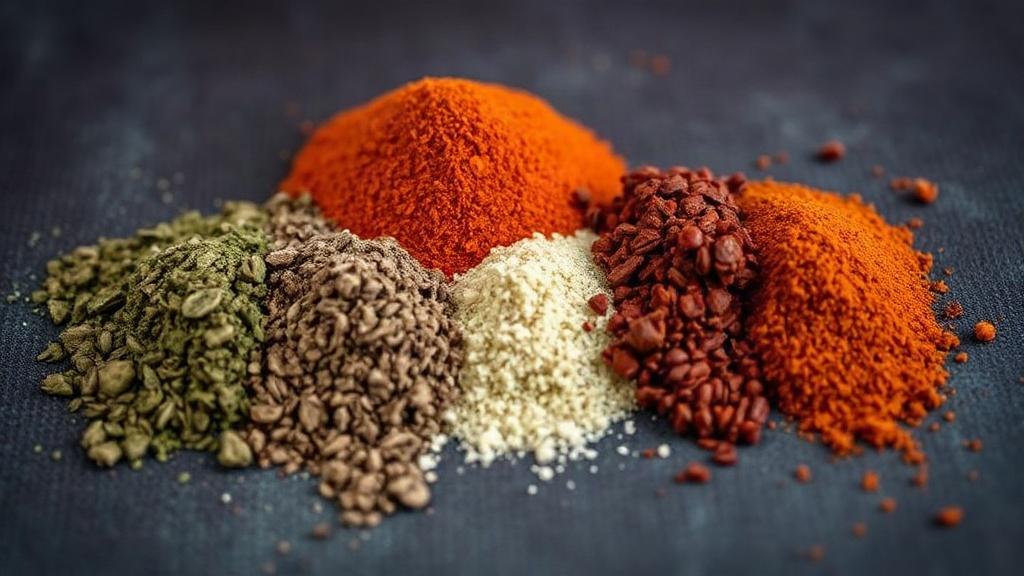
One of the most practical habits you can adopt is a flavor journal. Note the exact ratios you used, the source and age of key spices, the protein and cut, resting time, and cooking method. Over time you’ll notice patterns and be able to reproduce your best results reliably.
Record also the context: who ate it, what sides were served, and whether the dish needed mid-course adjustments. These small details help you improve both the formula and the presentation, turning trial and error into a structured learning process.
I maintain my own journal and often include photos. The visual record helps when deciding whether a rub’s texture was too coarse or if a crust developed as intended, which words alone can’t always convey.
The world of rubs rewards curiosity. Start with small batches, taste critically, and keep notes; you’ll be surprised how quickly you develop an instinct for balance and which motifs suit your cooking. With thoughtful sourcing and a few simple techniques—toast, grind, bind, rest—you can turn unfamiliar spices into reliable tools. Build your pantry gradually, trust your nose and palate, and cook boldly enough to invite discovery but softly enough to respect the ingredients you borrowed. The next time you reach for the spice jar, let a single, well-crafted blend tell a story on the plate.
Comments are closed.