
Bodywork NYC: Healing Hands in the Big Apple

New York City is a rhythm you feel as much as you hear. The subway rattle, the keystrokes of a busy office, the constant hum of conversations in a dozen languages. In the middle of that pace, bodywork studios offer a pause—a place where skilled hands meet tired muscles and give them a tune-up. This article explores how the city’s diverse bodywork scene works, what to expect from a session, and how to choose the right technique and therapist to suit your life in Manhattan and beyond. I’m not here to sell a single method, but to map the landscape so you can navigate it with confidence and curiosity.
The essence of bodywork in a city that never stops
Bodywork is more than a momentary escape from stress. It’s a structured approach to changing how you carry yourself from day to day. In New York, therapists often blend multiple modalities—Swedish relaxation, deeper work like myofascial release, and targeted therapies for injuries or athletic performance. The aim isn’t just to blunt pain for an afternoon but to rewire patterns that have grown stiff from long commutes, desk work, or repetitive motions. In this town, therapists speak a language of tissue and approach, not just pressure and moaning allegories. You’ll hear about fascia, circulation, nervous-system pacing, and breath work, all woven into sessions that respect both body and schedule.
The city teaches you to appreciate nuance. A 60-minute tune-up in Midtown may feel brisk but precise, while a 90-minute session in Brooklyn can unfold into a broader conversation with your body. The trick is to enter with clear goals—relief from a stubborn shoulder, improved hip mobility for a morning run, or a calmer nervous system after a high-stress week—and to let the therapist guide you toward what your body actually needs, rather than what a generic menu promises.
The NYC landscape: licenses, neighborhoods, and what to expect

New York State regulates massage therapy. A licensed massage therapist (LMT) has completed a state-approved program, logged supervised clinical hours, and passed a state exam. In practice, that means you’re more likely to encounter practitioners who have a solid baseline of anatomy, physiology, and ethics, even when they operate in boutique studios or wellness centers. It’s still wise to verify licenses before booking, either on the state’s list of licensed practitioners or through a reputable studio’s front desk. If a studio can’t confirm a license, consider moving on.
Neighborhoods shape the experience as much as the technique. Manhattan rooms tend to be clean, softly lit spaces tucked into quiet corners of busy blocks. In the outer boroughs, studios often offer a more relaxed vibe with a community feel, sometimes combining massage with yoga, Pilates, or acupuncture in the same building. Prices reflect location, studio size, and the therapist’s experience. In general, you’ll find a spectrum from boutique “bodywork labs” with highly specialized therapists to more traditional day spas that emphasize comfort and consistency.
Scheduling in NYC can be a small art. Demand is high, and prime times—weeknights after 6 p.m. and weekend mornings—fill quickly. If your calendar is tight, consider midweek slots or early afternoon windows. Some studios offer memberships or punch-card systems that can reduce cost per session if you plan regular visits. Regardless of the model, most places encourage a short intake before the first session to tailor pressure, areas of focus, and any health considerations.
Where to look for bodywork in the city
Core hubs include Midtown, the Flatiron District, and the Upper East and West Sides, where corporate wellness programs and high-end spas intersect with independent studios. Brooklyn brings a different texture—cozy rooms in former warehouses, neighborhood studios that double as community spaces, and practitioners who blend athletic coaching with hands-on therapy. Queens offers a mix of traditional massage rooms and more experimental setups that emphasize accessibility and affordability. If you’re visiting or new to the city, start with a few well-reviewed studios near your daily routes so you’re more likely to stick with a routine rather than chase “the perfect studio” across boroughs.
When you’re choosing a studio, look for transparency: clear pricing, licensed therapists, and honest descriptions of modalities. A good studio will ask about medical conditions, recent surgeries, and current medications, especially if you’re seeking deeper work. The right studio also respects your time—prompt reminders for appointments, a straightforward cancellation policy, and a comfortable, professional atmosphere from the front desk to the treatment room.
Modalities you’ll encounter in NYC
In this city, you’ll encounter a long menu of approaches, each with a distinct aim. Some sessions aim to unwind the nervous system; others focus on releasing knots and restoring range of motion. Many therapists blend techniques to suit your body on a given day. Here are some of the modalities you’re likely to encounter, with a sense of how they complement a busy urban life.
Swedish and relaxation-focused work
This is the accessible entry point for most newcomers. Light to moderate pressure, broad strokes, and long gliding motions encourage circulation and tissue hydration. The goal is not to break down the body but to invite it to soften and reset. For someone juggling meetings and commutes, a Swedish session can feel like a mental reset as much as a physical one, lowering resting heart rate and easing tension held in the neck, shoulders, and lower back.
Deep tissue and targeted work
Where Swedish aims for broad relaxation, deep tissue work dives into specific layers of muscle and connective tissue. Expect firmer pressure, slower strokes, and a focus on problematic spots—often the shoulders, hips, and lower back. In NYC, deep tissue is popular with desk workers and athletes who want a long-term strategy to manage chronic stiffness or postural issues. It’s common to combine this with myofascial release or trigger point therapy for more sustainable changes.
Myofascial release and fascia-focused therapies
The fascia is the connective tissue wrapping muscles, organs, and nerves. When it tightens, it can pull on joints and tighten movement patterns. Myofascial release uses sustained pressure and slow, deliberate holds to encourage fascia to release. In a city where heat and pressure can accumulate day after day, fascia work often yields gradual improvements in pain-free range of motion and overall comfort. Expect a session that feels less like a collection of quick tweaks and more like a patient, tissue-aware dialogue with your body.
Trigger point therapy
Trigger points are hyperirritable spots in muscle tissue that can refer pain to distant areas. Therapists who use trigger point work identify these knots and apply precise pressure to release them. In a fast-paced city, this approach can be particularly effective for migraines, neck pain from laptop posture, or hip tightness that limits your stride. The payoff is often a noticeable drop in pain intensity after one or two sessions, especially when you pair it with mobility work and stretching guidance.
Sports and performance-focused work
Professional athletes, weekend runners, and gym enthusiasts populate NYC studios. Sports massage emphasizes preparation, recovery, and adaptation. Expect pre-event work to optimize performance, post-event sessions to reduce soreness, and alignment-based checks to protect joints during training cycles. Therapists often coordinate with coaches or physical therapists, providing cues and brief corrective exercises you can do at home or in the gym.
Thai, shiatsu, and other body-alignment approaches
Thai massage blends stretching, compression, and assisted yoga-like poses. Shiatsu focuses on energy lines and pressure points to balance the body’s systems. In urban settings, these modalities can feel both energizing and grounding, offering a dynamic counterpart to more static forms of massage. If you’re curious about movement-based therapies that increase flexibility and present a different cognitive map of your posture, these can be enlightening entries into the practice.
Structural integration and longer-term work
For those dealing with long-standing postural patterns or injuries, structural integration sessions look at the body as an integrated system. The work tends to be progressive and often weekly over a series of sessions. The payoff can be profound in terms of how you stand, move, and align your spine and pelvis during daily tasks or athletic endeavors.
| Modality | Typical Focus | Who benefits |
|---|---|---|
| Swedish | Relaxation, circulation | Stress relief, beginners |
| Deep Tissue | Knots, muscle layers | Chronic pain, active individuals |
| Myofascial Release | Fascia, connective tissue | Postural issues, stiffness |
| Trigger Point | Knot release, referred pain | Localized pain, migraines |
How to choose a therapist in NYC

Choosing the right practitioner is less about chasing a brand name and more about fit. Start with your goals: relief from a stubborn knot, improved mobility for a marathon training plan, or a calmer nervous system after work. Then consider the therapist’s approach, schedule flexibility, and communication style. A few practical steps can save you time and increase the chance of a productive relationship.
- Verify licensure and ask about credentials. If a therapist specializes in a modality you’re curious about, ask about certification and continuing education.
- Ask about experience with your specific concerns—chronic back pain, rotator cuff injuries, plantar fasciitis, pregnancy, or recovery from surgery.
- Clarify pressure preferences and safety protocols. Tell the therapist your ideal range (gentle, moderate, or deep) and whether you have any medical conditions or recent injuries.
- Discuss session length and pricing. In NYC, 60-, 75-, 90-, and 120-minute sessions are common; longer sessions aren’t always better, but they can be more efficient if you have a complex issue.
- Consider continuity. A regular practitioner who tracks your progress over time can tailor your plan and reduce treatment time in the long run.
What a typical session looks like in practice
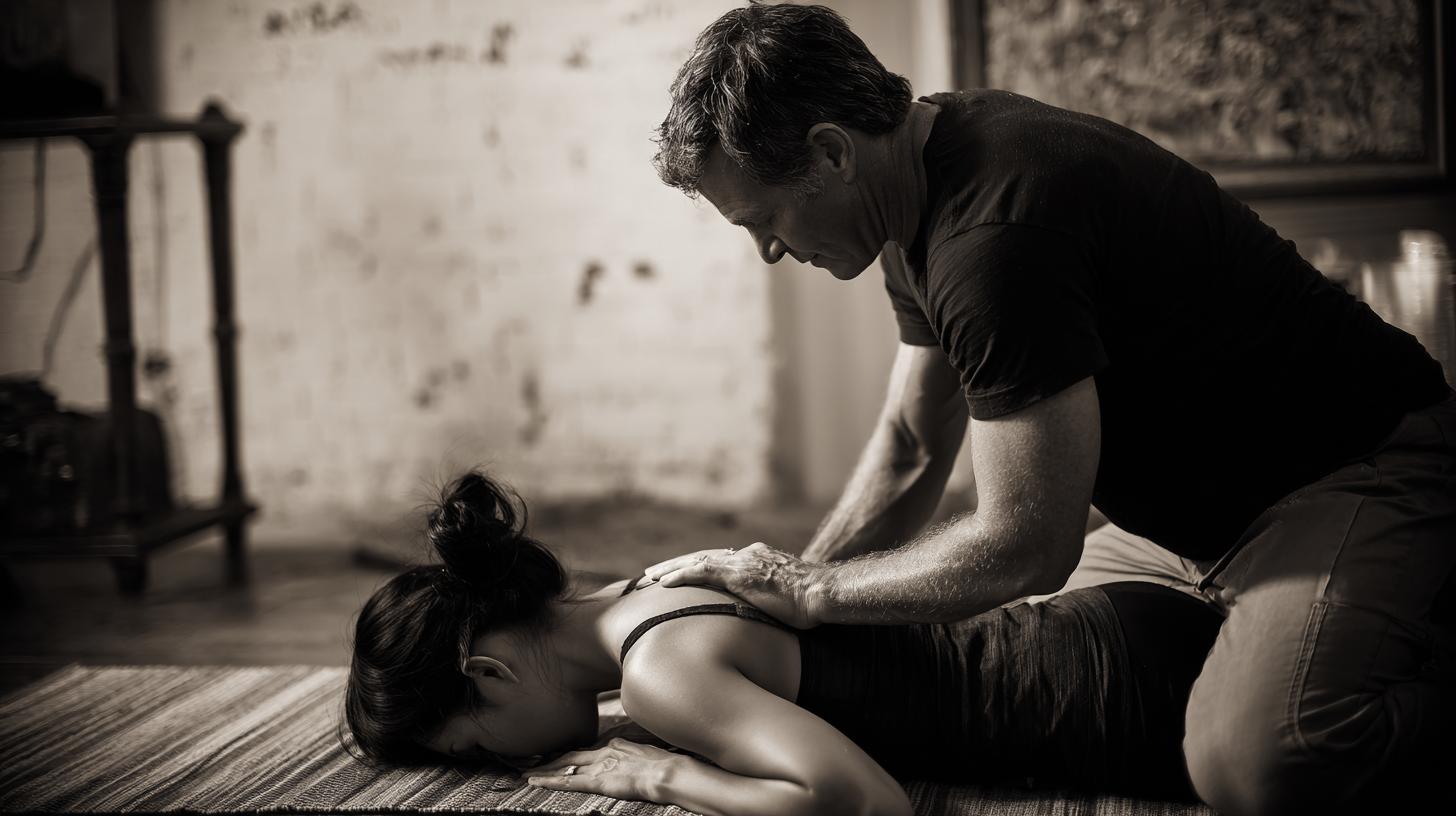
A session usually begins with a short intake. The therapist may ask about pain levels, recent activities, sleep, and any new medications or injuries. Temperature, lighting, and music are often chosen to support relaxation, while towels and draping preserve modesty and comfort. You’ll undress to your comfort level, usually keeping undergarments on, and lie on a table beneath a sheet or blanket. A good therapist will explain the plan for the session and check in about pressure as you go.
During the massage, you’ll experience a sequence of deliberate strokes—long glides, kneading, and sometimes deeper pressure in targeted areas. If you’re receiving deeper work, you may feel tissue release, a sensation that can range from a muted ache to a warm, spreading relief. In many studios, the therapist will finish with a few minutes of light stretches or mobility guidance, followed by a brief debrief where you can discuss what you felt and what you’d like next time.
Aftercare matters. Hydration, gentle movement, and perhaps a short walk can help integrate the changes you felt during the session. Some studios provide guidance on post-session routines—stretches to perform, exercises to counteract desk-sitting, or breathing practices to calm the nervous system. If you’ve addressed a particular issue, you may notice incremental improvements over several sessions rather than a single dramatic shift.
Wellness, performance, and the city’s rhythm
Bodywork in NYC often intersects with athletic life and corporate wellness programs. Athletes look for quick recovery after workouts or events; office workers seek relief from repetitive strain and posture-related pain. The urban environment amplifies certain stressors—sitting for hours, heavy computer use, and the constant need to adapt to new venues and schedules. A well-chosen bodywork plan can reduce downtime, improve range of motion, and even sharpen focus by calming the nervous system between meetings and subway rides.
One practical rhythm is to couple a session with a short mobility routine you can perform at home or in the office. Therapists frequently provide or recommend simple stretches, breathing exercises, or posture drills that address your specific issues. When you build this into your week, you’re not just treating pain; you’re building a small, repeatable system for better posture, energy, and resilience in a city that demands both stamina and flexibility.
Pricing, accessibility, and booking tips

Prices in New York can vary significantly by neighborhood, studio size, and therapist experience. Expect to pay roughly a bit more in dense Manhattan corridors and a bit less in outer boroughs, though standout therapists in any neighborhood can command premium rates. Typical ranges for a 60-minute session fall somewhere around $100 to $180, with longer visits priced at a premium. Tipping remains customary in many studios, often around 15–20% of the service cost, depending on the quality of the work and the studio’s policy.
When booking, consider the following to optimize value and experience:
- Trial a few modalities to see what resonates. If you’re unsure, start with a balanced blend of Swedish for relaxation and a light deep-tissue component for addressing stiffness.
- Inquire about any multi-session packages or memberships. A consistent visit can yield better outcomes than sporadic, isolated sessions.
- Ask about the therapist’s approach to pressure, injury history, and post-session guidance. A strong therapist will offer a plan beyond the room, including stretches and movement strategies.
- Check cancellation and rescheduling policies. NYC schedules can be tight; flexible studios often accommodate last-minute changes without penalties for reasonable delays.
Personal experiences and reflections from the city
Over the years I’ve wandered through a handful of studios in Manhattan, Brooklyn, and Queens, chasing that elusive balance between relief and energy. I remember a quiet room on an upper floor of a building near the river, where a therapist coaxed my shoulders to drop away from my ears with a combination of gentle Swedish strokes and careful myofascial work. It wasn’t about a dramatic transformation in one session; it was about a progressive shift in how I carried myself on the subway, how I breathed during meetings, and how I slept at night. Another time, a therapist tailored a session around a nagging hip issue I’d carried from half-marathon training. The plan wasn’t just to loosen tissue but to train my body to move with awareness, so the pain didn’t return with the next run. Those experiences aren’t singular anecdotes; they’re common threads in a city where many people live at a pace that would wear down anyone without a reliable maintenance routine.
What the city teaches you is patience and specificity. A good practitioner isn’t selling a one-size-fits-all solution; they’re diagnosing your body’s current story and adding a chapter that helps you move forward. In my notes, the most valuable sessions have left me with a few actionable takeaways—drills, stretches, or posture cues—that I could apply beyond the massage table. If you treat bodywork as an ongoing practice rather than a one-off impulse, you’ll likely see more durable improvements and a stronger sense of ease as you navigate the daily rhythm of life in a metropolis that never stops evolving.
Nurturing safety, consent, and respectful care
In a field that requires intimate, hands-on contact, safety and consent aren’t optional. The best studios foreground consent: asking about pressure preferences, about areas to avoid, and about medical histories that affect treatment. You should feel free to speak up if a touch feels off or if you want to adjust the pace. A professional therapist will welcome your feedback and adjust accordingly. If a studio pushes beyond your stated boundaries or makes you uncomfortable in any way, trust your instincts and seek care elsewhere. Your body deserves respect, a point that sits at the core of every quality practice in this city.
Beyond consent, consider the ethics of the space itself. Transparent pricing, clear policies, and a staff that maintains professional boundaries create an environment where the work can be truly restorative. In New York, where the cost of living often dominates conversations, it’s easy to equate value with expense. But true value in bodywork comes from the combination of skilled technique, individualized care, and the ongoing partnership between you and your therapist.
A note on imagery and respectful representation
This article foregrounds the craft of bodywork and the well-being it fosters. I won’t provide or describe photographs that sexualize massage therapists. The focus here is on technique, safety, and lifestyle benefits—the human tissue and mindful touch that help people move through urban life with less pain and more ease. If you’re seeking visual inspiration, look for professional portfolios that emphasize skill, posture, and professional decor, rather than appearance. Respectful representation matters, and the aim is to honor therapists as skilled practitioners working to improve clients’ quality of life.
Practical snapshots: a mini-guide to getting started
If you’re curious but unsure where to begin, here’s a compact starter plan you can adapt to your city schedule:
- Identify a primary goal for the next four weeks—pain relief, mobility, or stress reduction.
- Book a 60-minute session with a therapist who lists at least two modalities you’re open to trying.
- Bring a short note of any pain locations, recent injuries, or pregnancy status if relevant, and share your comfort level with pressure at the start.
- After the session, perform a light mobility routine for 5–10 minutes and stay hydrated.
- Schedule a follow-up based on your initial response—either a repeat of the same approach or a shift toward a different modality.
Guided recommendations for navigating the NYC bodywork scene
While every body is different, certain patterns help most people progress smoothly in New York’s bodywork ecosystem. If you’re drafting a first-month plan, consider the following:
- Begin with a balanced approach: one session blending Swedish and gentle myofascial work, then adjust based on how your body responds.
- Mix modalities over time. A practical rhythm is alternating months of deeper tissue work with lighter, fascia-focused sessions to maximize tissue quality and tissue hydration.
- Leverage mobility coaching. Ask therapists for a small set of daily movements you can practice at home or during a break in the office, reinforcing session gains between visits.
- Track outcomes. Note changes in pain intensity, sleep quality, and energy levels over several sessions to assess progress and refine goals.
Closing thoughts: the city as a living studio for your body
Manhattan and its neighboring boroughs offer more than a menu of massage options. They provide a culture of care where skilled hands become a resource for resilience. When you approach bodywork with clear goals, a respectful mind, and a willingness to experiment with modalities, you’ll discover that the city’s pace can be met with a steadier breath and a freer range of motion. The value isn’t just in temporary relief; it’s in cultivating a sustainable relationship with your body—one that travels with you through subway delays, late-night planning sessions, and weekend adventures alike.
As you begin or continue your journey, remember: the best sessions are collaborative. A good therapist listens, adapts, and guides you toward lasting improvements. Your role is to show up with honesty about what hurts, what doesn’t, and what you hope to feel a month from now. The city will keep moving; your body, with steady attention, can move a little more freely with it.
Comments are closed.